Serbia's President Vučić refuses to impose visas on Russians
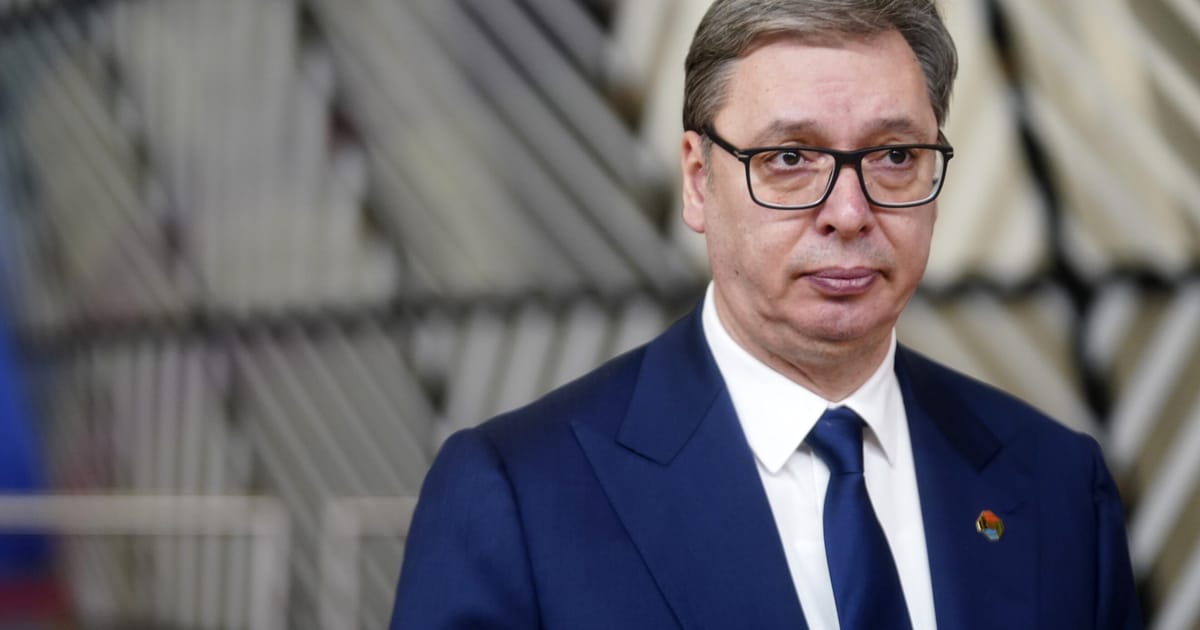
Serbian President Aleksandar Vučić has declared that Serbia will not introduce visa requirements for Russian citizens. He stated that any such measure would be immediately reversed. The announcement underscores Serbia's continued resistance to aligning with EU and Western sanctions policy toward Russia.
PoliticsSerbian President Aleksandar Vučić has made it clear that Belgrade has no intention of restricting visa-free travel for Russian nationals, pushing back against growing pressure from Western partners and European Union officials who have urged Serbia to tighten its border policies in line with broader sanctions efforts.
Vučić stated bluntly that any decision to scrap visa-free arrangements with Russia would be «immediately revoked», signalling that the Serbian government views the policy as non-negotiable. The statement reinforces Serbia's long-standing balancing act between its EU membership aspirations and its historically close ties with Moscow.
Serbia remains one of the few European countries that has not imposed visa restrictions on Russian citizens following Russia's full-scale invasion of Ukraine in February 2022. This has made Serbia a notable transit and destination point for Russians seeking to travel freely within the continent, drawing repeated criticism from EU member states.
The Serbian president's firm stance puts Belgrade at odds with EU expectations, as the bloc has been pushing candidate countries to harmonise their foreign policy, including visa regimes, with EU standards. Serbia has been an EU candidate country since 2012, but its accession process has stalled amid concerns over rule of law and its refusal to join sanctions against Russia.
The issue highlights the broader tension within the Western Balkans, where several countries maintain strong historical and cultural ties with Russia even as they pursue closer integration with European institutions. For Estonia and other Baltic states — which have been among the most vocal advocates for a unified European stance on Russia — Serbia's position remains a source of diplomatic frustration.
Open in app →