Smart glasses make hidden filming easier — but what's legal?
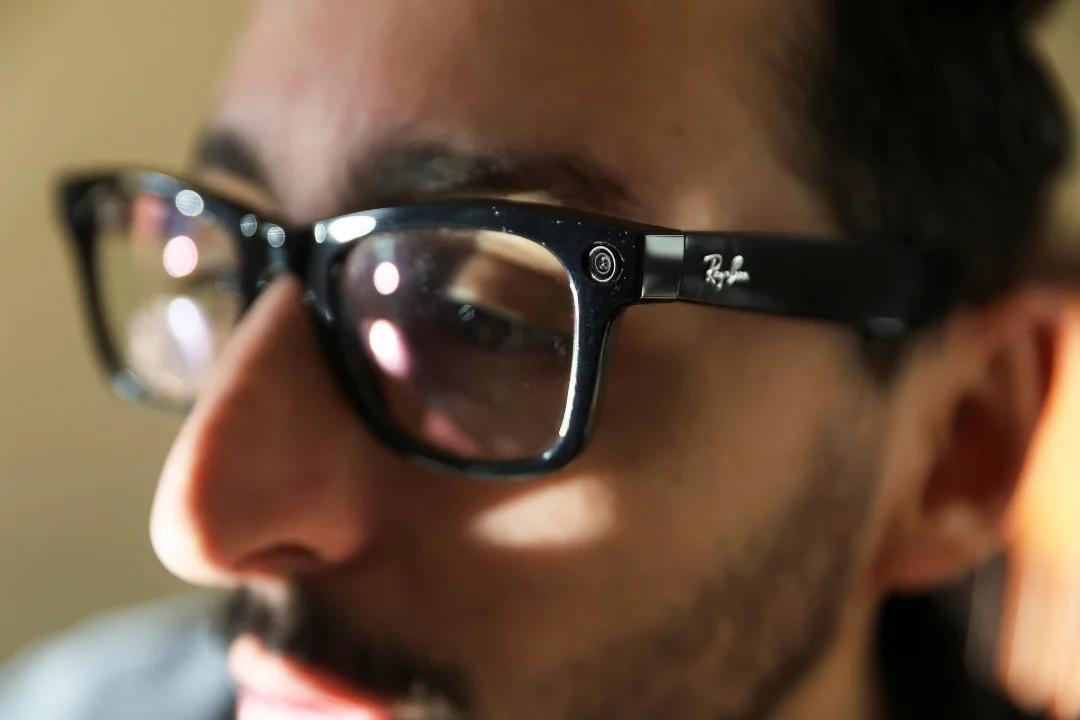
Smart glasses allow people to film others without their knowledge. Many users do not realize that filming without consent and uploading recordings to the internet can result in criminal liability.
TechnologyThe proliferation of smart glasses raises increasingly sharp questions about privacy — devices that allow filming of surrounding people completely inconspicuously, with no obvious indication that a camera is present.
Filming without consent is risky
Under Estonian law, filming a person without their consent in a public place is often permitted, but publishing the recording — for example, uploading it to social media — may already violate the law. In the worst case, it can lead to criminal liability, especially if the recording infringes on the person's privacy or damages their reputation.
Smart glasses, such as Meta Ray-Ban Smart Glasses, look exactly like ordinary sunglasses, making filming with them particularly difficult to detect. While traditional cameras often have a visible lens, smart glasses have the camera integrated into the frame, making it almost impossible for bystanders to notice.
Laws are not keeping pace with technology
Legal experts have pointed out that existing legislation in many countries has not kept pace with such new technologies. While privacy principles prohibit the unauthorized distribution of personal data, including images and videos, the boundaries of filming in public spaces remain often unclear.
Users should remember that even if filming itself is technically permitted, the situation becomes problematic in the eyes of the law as soon as the material starts being shared — especially if it involves identifying the person or taking their actions out of context. Before using smart glasses in public places and sharing recordings, it is wise to clarify the applicable rules and also consider the privacy of other people.
Open in app →