SpaceX Starship reusability goals face uncertainty after S-1 filing
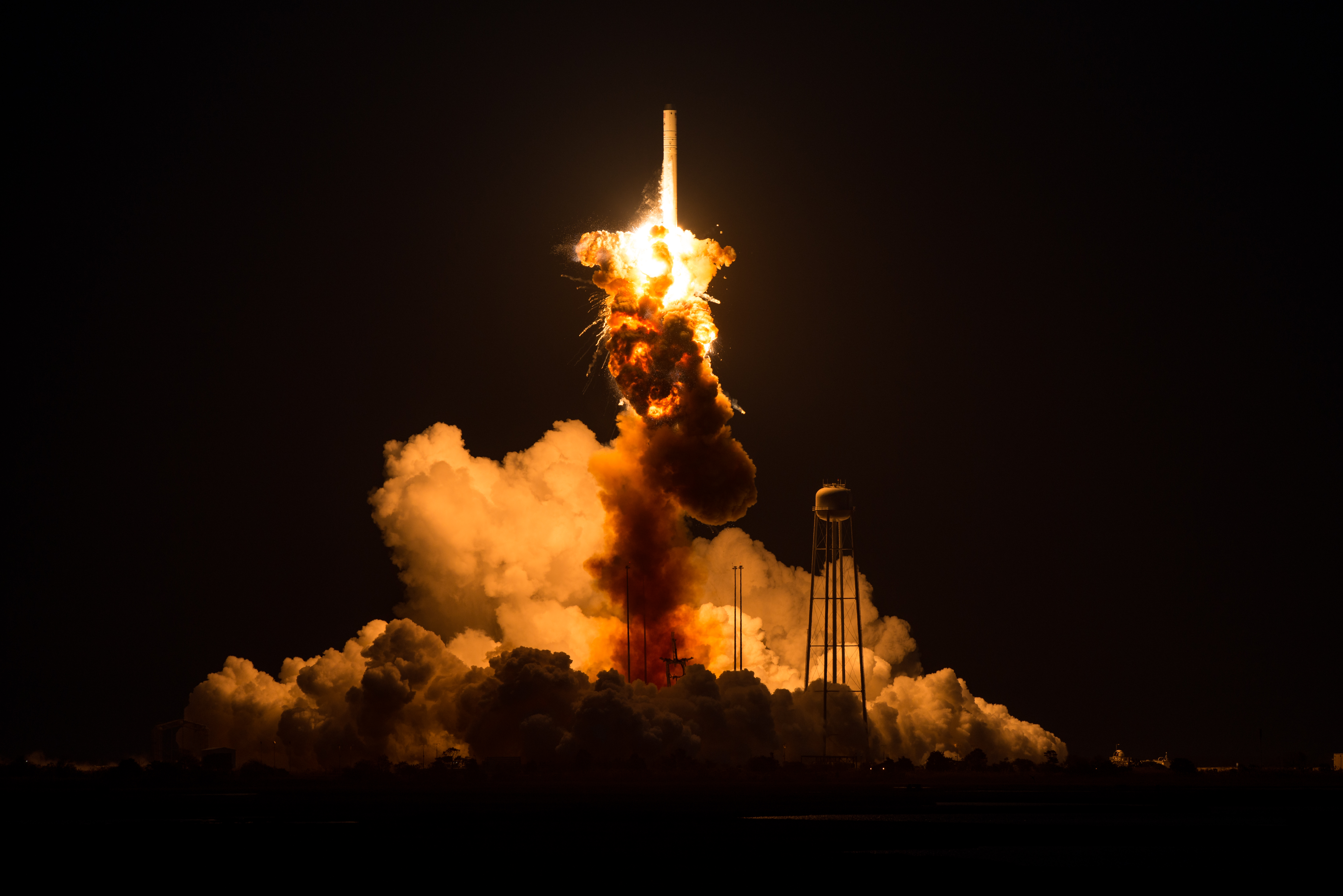
SpaceX's recent IPO filing and Starship test flight have revealed a more sobering picture of the company's near-term trajectory. The data suggests that full reusability for the Starship rocket remains a distant goal despite ambitious public claims. Analysts say the reality may disappoint both enthusiastic supporters and vocal critics alike.
TehnoloogiaSpaceX's latest Starship test flight and its S-1 IPO filing have together painted a more grounded picture of where the world's most ambitious rocket program actually stands — and where it is realistically headed in the coming years.
## Reusability Still a Work in Progress
Despite the spectacular imagery surrounding each Starship launch, full reusability — the cornerstone of SpaceX's cost reduction strategy — remains far from routine. The S-1 filing, which contains detailed financial and operational disclosures required for a public offering, reveals that development timelines are longer and more uncertain than the company's public statements have typically suggested.
The gap between SpaceX's bold vision and its operational reality is not unusual for frontier aerospace programs, but it matters significantly when investors are being asked to value the company based on projected future capabilities. Much of the bullish sentiment around SpaceX has been tied to expectations of Starship eventually slashing launch costs by an order of magnitude — a promise that hinges entirely on rapid and reliable reuse of the rocket's hardware.
## Moon Base Dreams vs. Balance Sheet Reality
Grand ambitions including a lunar base and eventual Mars colonization feature prominently in SpaceX's narrative, alongside expectations of enormous profits from AI enterprise services. However, those projections sit uneasily alongside the technical hurdles that each Starship test flight continues to expose. Observers note that the company still has significant engineering milestones to clear before the vehicle can be considered operationally reusable in a commercially meaningful sense.
For now, SpaceX's near-term revenue remains heavily dependent on its Falcon 9 rocket and Starlink satellite internet service, both of which are proven and profitable. Starship, for all its promise, is still fundamentally a development program — and the S-1 data makes that clearer than the company's press releases ever have.
Open in app →