SpaceX went public: world's largest IPO made Musk a trillionaire
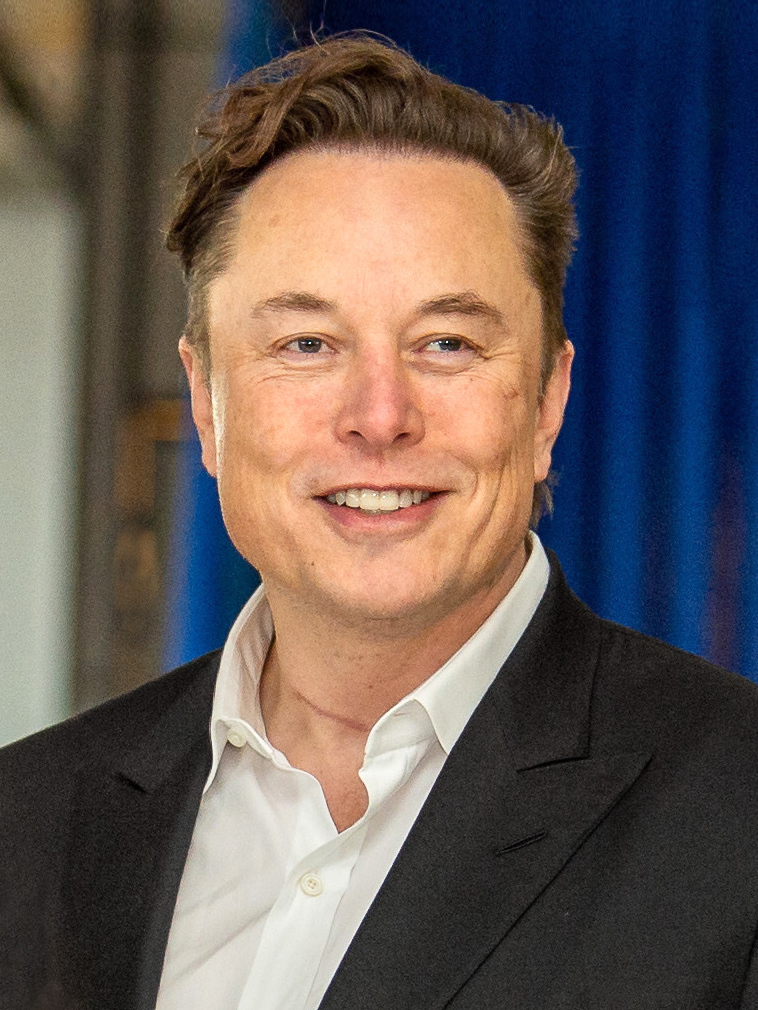
SpaceX made its debut on the Nasdaq on 12 June 2026, selling 555.6 million shares at $135 per share, raising $75 billion, the largest initial public offering in history. On the first trading day, shares rose as much as 30%, closing at $160.95. The IPO lifted Elon Musk's net worth above the $1 trillion mark, making him the world's first trillionaire.
TechnologySpaceX made its debut on the Nasdaq on 12 June 2026 with the largest initial public offering in history, with the company selling 555.6 million shares at $135 per share, raising a total of $75 billion. The opening day exceeded all expectations: shares opened at $150, rose as much as 30% during the day and closed at $160.95, representing a 19% gain from the opening price.
On the second full trading day, the stock was even higher at midday, reaching $186.15, representing a gain of over 15% compared to the previous close. Trading platform Robinhood reported that the launch of SpaceX's market week coincided with unprecedented traffic on their trading platform in their history.
Musk became a trillionaire
The IPO lifted Elon Musk's paper wealth above the $1 trillion mark for the first time in history, specifically to $1.75 trillion. Musk has also retained enormous control over the company: he holds approximately 85.1% of voting rights, giving him far greater influence in managing the public company compared to most technology founders.
The stock market debut was also a major win for SpaceX employees, with approximately 4,400 workers potentially becoming millionaires according to the New York Times. Major banks Goldman Sachs and Morgan Stanley, along with others, earned close to $500 million in fees from arranging the IPO.
Musk expressed his gratitude towards employees on his social media platform X: "I love the incredible people at SpaceX more than words can express."
Finances and future plans
SpaceX's S-1 registration document revealed the company's financial condition: in 2025, the company earned over $18 billion in revenue, but also carried a loss of $4.9 billion. The total cumulative loss since its founding has exceeded $37 billion. The backbone of the company's business model is the Starlink satellite internet service.
Also notable is SpaceX's business direction related to artificial intelligence, with the company having signed major computing resource sales agreements. OpenAI pays Anthropic $1.25 billion per month for computing resources, while Google pays $920 million per month.
Musk's influence grows further
SpaceX Chief Operating Officer Gwynne Shotwell told CNBC in an interview on 12 June about one topic that garnered attention from Tesla investors, mentioning that a merger between SpaceX and Tesla "could make things a bit easier for Elon." SpaceX also warned in its S-1 document investors about the possibility of future share dilution, which has in turn fuelled speculation about a possible Tesla merger.
SpaceX marked its transition to a public company after operating as a private company for 24 years, a period during which it grew to become the world's leading commercial space company. The IPO became a historic event both in the business world and more broadly, making the space industry accessible to a much wider investor base than before.
Open in app →