Spain Intercepts Massive Cocaine Shipment in Atlantic Ocean
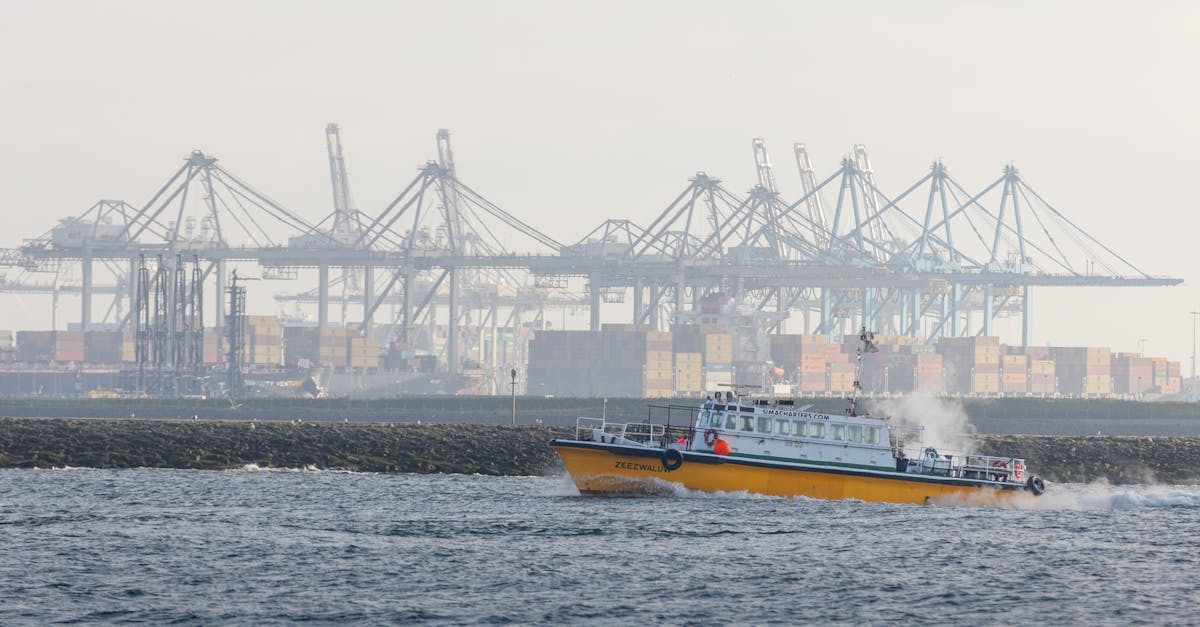
Spanish Civil Guard authorities seized between 30,000 and 45,000 kilograms of cocaine aboard a freighter bound for Libya in the Atlantic Ocean, marking a record drug haul. The operation represents a significant victory in the ongoing international fight against transnational drug trafficking networks.
PoliticsSpanish law enforcement achieved a major breakthrough in combating drug smuggling when Civil Guard officers intercepted an enormous cocaine shipment traveling through the Atlantic Ocean. The cargo, discovered aboard a freighter destined for Libya, contained between 30,000 and 45,000 kilograms of cocaine, representing one of the largest drug seizures in recent operations.
The interception demonstrates the scale of illicit drug trafficking operations that continue to operate across international maritime routes. Criminal networks frequently exploit the vastness of ocean shipping channels and the difficulty of monitoring countless vessels to transport narcotics across continents. The shipment's intended destination of Libya suggests the drugs were likely meant to be redistributed through North African and European markets.
This seizure underscores Spain's strategic importance in European drug enforcement operations. With its position controlling maritime routes between Africa and Europe, Spanish authorities have become increasingly effective at identifying and stopping major drug trafficking operations before they reach their final destinations. The Civil Guard's success reflects enhanced cooperation with international law enforcement agencies and improved intelligence gathering capabilities.
The scale of this particular seizure highlights the massive profits driving the global cocaine trade. The confiscated quantity represents an enormous financial loss to trafficking organizations and demonstrates that authorities are successfully disrupting major supply chains. Such operations send a clear message that international cooperation and dedicated enforcement efforts can significantly impact the operations of transnational criminal networks.
Open in app →