Spanish scientists create carbon fibre cable that exceeds copper's electrical conductivity
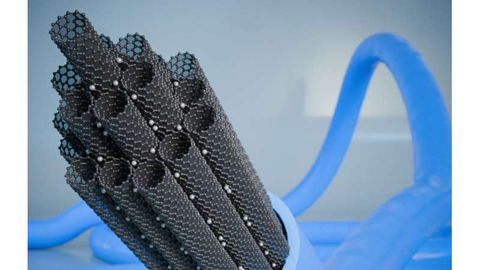
Spanish scientists have developed a carbon nanotube-based cable that conducts electricity better than copper. The new material is simultaneously remarkably lightweight, opening possibilities for next-generation electrical systems.
TechnologySpanish scientists have achieved a significant breakthrough in materials science, creating a carbon fibre cable whose electrical conductivity exceeds that of traditional copper. This achievement may transform current understanding of which materials are suitable for use in future electrical systems.
The new cable is based on carbon nanotube technology, extraordinarily small structures whose potential scientists have discussed for years. Until now, these materials have only been usable under laboratory conditions, but the Spanish team has now demonstrated that this approach can be applied at industrial scale.
The greatest advantage of cable made from carbon nanotubes is its extraordinarily low weight compared to copper conductors. Electrical wires form the invisible backbone of modern technology, but their mass sets limits on many innovations, particularly in aviation, electric vehicles and space technology, where every gram counts.
The breakthrough offers hope that carbon nanotubes may soon genuinely compete with copper and aluminium, which are currently the dominant electrical conductors in both industry and consumer electronics. According to the scientists, this is a significant step in bringing materials from the laboratory to real-world applications.
Open in app →