SpeakOn's MagSafe dictation device offers promise despite app limitations
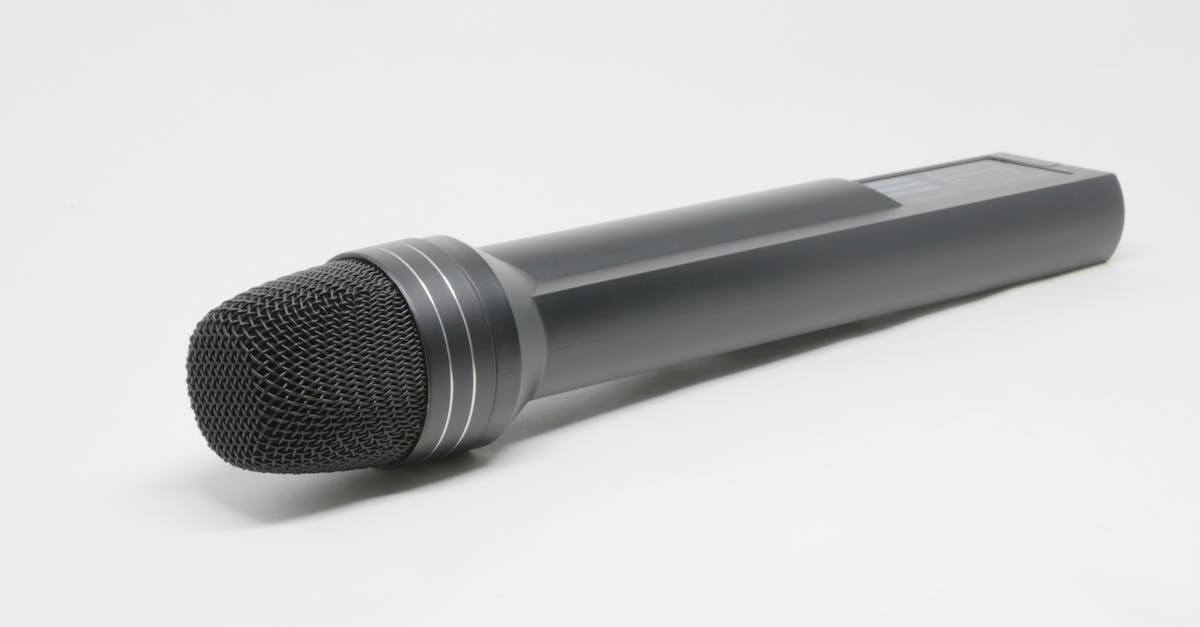
SpeakOn has launched a $129 hardware device that attaches to iPhones via MagSafe to enable voice transcription across applications. While the device presents an innovative approach to hands-free dictation, its effectiveness is constrained by compatibility issues with certain popular apps and platforms.
TechnologySpeakOn has introduced a new hardware solution designed to streamline voice-to-text transcription on Apple devices. The device, priced at $129, uses MagSafe magnetic attachment to secure itself to the back of an iPhone, enabling users to dictate and convert speech to text across multiple applications without relying on the phone's built-in microphone.
The concept behind SpeakOn addresses a real user need: many professionals and content creators require reliable dictation tools that work seamlessly across different apps. By attaching magnetically to the device, the external hardware eliminates some of the acoustic challenges that plague traditional phone microphones, potentially delivering cleaner audio capture in various environments.
However, the device's practical utility is significantly hampered by app-level restrictions. Numerous popular applications have implemented limitations that prevent third-party microphone hardware from functioning properly within their ecosystems. This means that while SpeakOn works well in some contexts, users will encounter compatibility barriers when attempting to use it with certain messaging apps, note-taking platforms, and other widely-used services.
The $129 price point positions SpeakOn as a premium accessory, which makes these platform limitations all the more problematic for potential buyers. Users considering the investment must carefully evaluate whether their most-used applications support the device before committing to the purchase.
Despite these constraints, SpeakOn represents the kind of hardware-software integration approach that could become increasingly important as voice interaction continues to grow in mobile computing. Success, however, will likely depend on negotiating broader app compatibility or achieving critical mass among users willing to work within existing constraints.
Open in app →