Spielberg's New Film "The Disclosure Day" Is Summer's Biggest Sci-Fi Epic
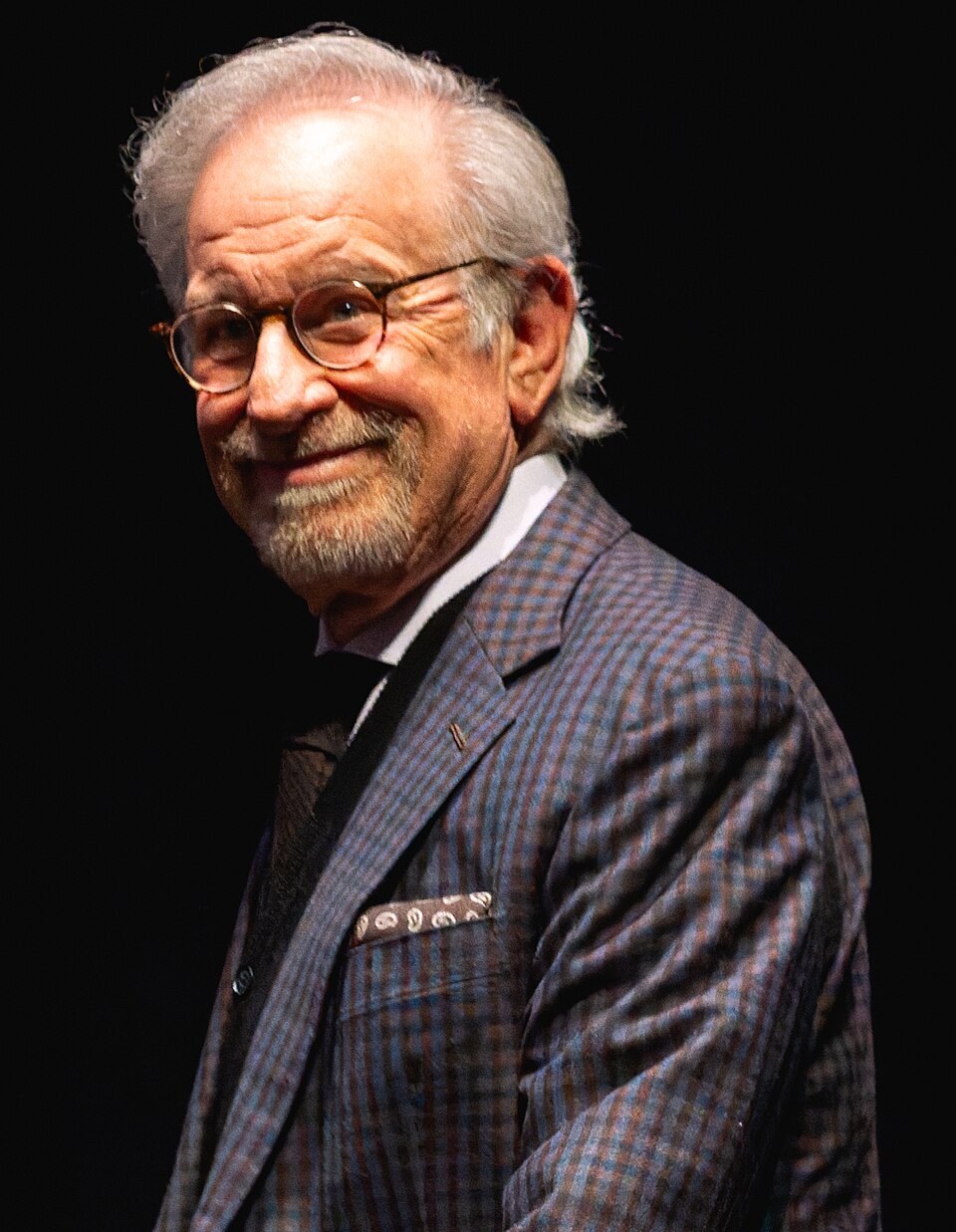
Steven Spielberg's new science fiction film "The Disclosure Day" has reached cinema screens and gathered a devoted fan following. Emily Blunt shines in the lead role, whose character unexpectedly gains supernatural abilities. The film is visually impressive but fails to fully commit to whether it is a thriller or a metaphysical mystery.
CultureSteven Spielberg's new science fiction film "The Disclosure Day" has reached cinema screens worldwide and offers viewers the summer's, and perhaps the year's, greatest sci-fi epic. The film is visually sharp, inventive and at times downright grandiose, but also leaves a muddled impression.
Emily Blunt Shines in the Lead
Regional television weather forecaster Margaret Fairchild (Emily Blunt) wakes up one day with new abilities: she speaks multiple languages simultaneously and can read every person like an open book. It all started when a red cardinal, a small songbird, flew into her apartment and irrevocably changed her life. Blunt adds to her already impressive filmography what is likely the most effective role of her career. Over the course of two and a half hours, her character transforms from an ordinary person into someone who has finally found her higher calling.
Less original, but equally crucial for the plot, is the storyline of Daniel Kellner (Josh O'Connor) and his love interest Jane (Eve Hewson). Jane is a former convent candidate who left the convent but did not lose her faith. Daniel's character is clearly inspired by controversial whistleblowers Edward Snowden and Julian Assange-he has stolen materials belonging to a secret government organization and intends to make them public. Men in dark suits are naturally on his trail.
Genre Confusion Obscures Depth
Screenwriter David Koepp's hand is the film's weakest point. The story is muddled at times, though obvious logical inconsistencies are avoided. The biggest problem is genre uncertainty: the film cannot decide whether it is a thriller about fighting intelligence services or a metaphysical mystery. Deliberately unnatural digital creatures, theological questions, and the protagonists' crusade to save doomed humanity-all this is vintage Spielberg. Meanwhile, physics-defying pursuits and clichéd antagonists prevent the film from reaching the heights the director apparently intended.
Spielberg and the Question of Space
Spielberg is not asking for the first time whether we are alone in the universe. In 1977, he made "Close Encounters of the Third Kind"; in 1982, "E.T. the Extra-Terrestrial"; and in 2005, "War of the Worlds" with Tom Cruise. In 2026, mere close encounters and friendship are no longer enough: Spielberg paints a portrait of humanity drowning in political babble, whose substance nobody bothers to explore anymore. People need truth and a jolt, and nuclear catastrophe looms on the horizon.
Spielberg's message resembles the X-Files' Fox Mulder: the truth is nearby and it may save us. In "The Disclosure Day," the director steps into the roles of both wise prophet and simple-minded conspiracy theorist simultaneously. He offers humanity the opportunity to rethink its place in the universe, and the timing is undeniably apt. Can a sensation of cosmic proportions change the course of history? To this question, Spielberg leaves the answer for the viewer to decide.
Open in app →