Study: A handful of almonds daily can replace processed snacks and improve health
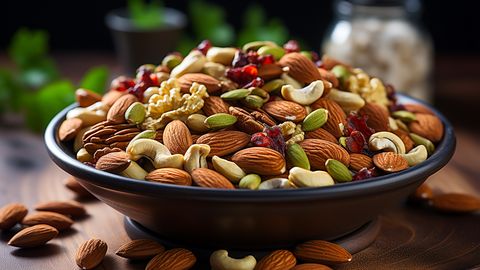
A new study shows that replacing ultra-processed snacks with a handful of almonds daily triggers a chain of positive changes in the body. Almonds affect digestion, inflammation markers, and satiety. Scientists consider the finding important because a fast-paced lifestyle often drives people to choose nutrient-poor snacks.
CultureDue to our fast-paced lifestyles, many of us reach for the first convenient snack when hunger strikes, usually something processed and nutrient-poor. A new study, however, suggests that changing this simple habit can have significant health benefits.
Almonds as a natural appetite regulator
Researchers found that a daily handful of almonds can trigger a surprisingly broad chain of positive changes in the body. According to the study, almonds simultaneously affect multiple health markers: digestion, inflammation levels in the body, and satiety after eating.
Prolonged satiety is one of the most important findings, it means almonds can help reduce overeating and maintain stable energy levels throughout the day. This is precisely why some nutrition specialists have begun comparing almonds to natural appetite regulators.
What the study showed in detail
The study compared the effects of consuming almonds with eating ultra-processed snacks. It emerged that participants who consumed almonds showed improvements in both digestion-related markers and inflammatory markers. They also felt full longer after snacking.
Almonds are rich in healthy fats, protein, fibre, and vitamin E, nutrients that are scarce in processed snacks. This combination explains why the substitution works so effectively.
A small change, a big impact
Experts emphasise that this is not a revolutionary diet, but a single small yet effective habit change. Adding a handful of almonds to your daily menu is an affordable and simple step that requires no special preparation.
The study reaffirms an old truth: it is often the small daily choices that shape our health most in the long run.
Open in app →