Study: gut microbiome may explain recurrent colon cancer risk
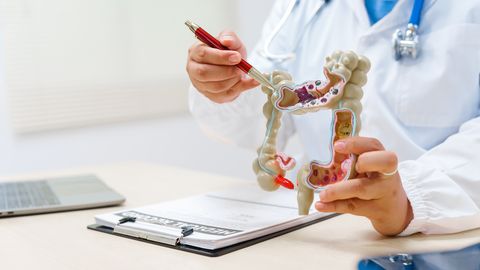
Although polyp removal is one of the most effective preventive measures against colon cancer, patients who undergo the procedure still face a higher-than-average risk of recurrence. New research suggests the key to this long-standing medical puzzle may lie in the gut microbiome.
TechnologyPolyp removal has long been the gold standard in colon cancer prevention, but scientists have been puzzled for years by one striking fact: patients who have polyps removed still face a higher risk of developing cancer than the general population. Fresh research offers a new explanation for this phenomenon; the answer may lie in the human gut microbiome.
The microbiome, the community of microorganisms living in the intestines, has become a central focus of medical research in recent years. Scientists have found links between the bacterial composition of the gut and various diseases, including cancers. Now new data suggest that the composition of the microbiome itself may be the factor explaining why some patients who have recovered from polyp removal develop colon cancer again.
The study results open the possibility that in the future, microbiome analysis could be used to identify high-risk patients early and tailor their follow-up care and monitoring accordingly. This means that a one-size-fits-all surveillance protocol could eventually be replaced by a personalized approach that takes into account each patient's unique gut characteristics.
Scientists emphasize that the research findings require further validation in larger patient populations, but the direction is promising. Early detection of colon cancer and personalized prevention measures are a global priority in oncology, as this represents one of the most common forms of cancer in the world.
Open in app →