Survey: 18% of Estonians think they can drive after one drink
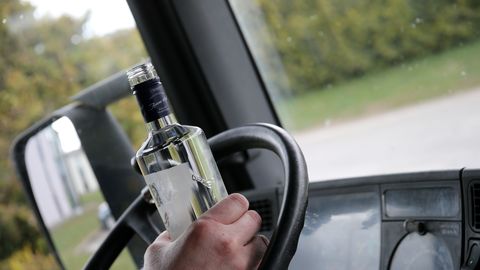
A survey commissioned by Balcia insurance shows that a quarter of Estonians do not consider driving completely sober mandatory. 18% of respondents would allow themselves to get behind the wheel after one alcoholic drink. According to the insurance company's chief, this is a particularly dangerous mindset during Midsummer celebrations.
EstoniaA fresh survey commissioned by Balcia insurance reveals a worrying trend in Estonian road culture: one in five Estonians believes that they can still drive after one alcoholic drink.
According to the survey, 75% of respondents require complete sobriety when driving. However, 18% of respondents consider it acceptable to get behind the wheel after one beer, glass of wine or a small spirit. 4% would permit driving after up to two drinks, and a few respondents do not rule it out even after three or more drinks. 3% of respondents took no position.
Midsummer makes the situation particularly dangerous
Veiko Sepp, head of Balcia's Estonian branch, warns that such an attitude is especially concerning during Midsummer celebrations, when boundaries tend to become blurred. "Very often, dangerous behaviour starts with just one drink, which people underestimate the effects of. They say it was only one beer, only a glass of wine, only a small spirit. But in traffic, what matters is whether their reaction, attention and decision-making ability are the same as when completely sober," Sepp emphasized.
He added that a person who appears sober on the surface may actually be a dangerous road user. "Even if speech is clear and steps are steady, reaction times can be slower, attention more divided, and risk-taking greater. An accident doesn't require much. Sometimes a single delayed braking or misjudgement during overtaking is enough," said Sepp.
Insurance does not protect a drunk driver financially
Sepp also stresses the insurance aspect, which many drivers may not be aware of. Third-party liability insurance protects the victim, but offers no protection to a drunk driver: while insurance may initially compensate the victim for damages, it can then claim the full amount back from the drunk driver. In the case of comprehensive insurance, the driver's own vehicle damage may remain entirely uncompensated.
"So, in addition to the risk of fines or criminal penalties, the decision to drive while drunk can result in very substantial financial loss for a person," warned Sepp.
Police removed 87 drunk drivers in three days
Police data confirm that the relaxed attitude is reflected in actual road behaviour. In just the past three days, 87 drivers who had consumed alcohol have been removed from roads.
Sepp calls for shared responsibility with fellow passengers as well. "Often, companions notice the situation from the side sooner than the driver themselves and have the opportunity to prevent someone from getting behind the wheel before it becomes a traffic hazard. So if you see that someone in your group has had even a small amount of alcohol and wants to drive afterwards, don't allow it. Agree in advance on a designated sober driver and stick to it," said Balcia's Estonian branch manager.
Open in app →