Tallinn Education Oversight: Student Results Improve, but Teachers Lack Materials
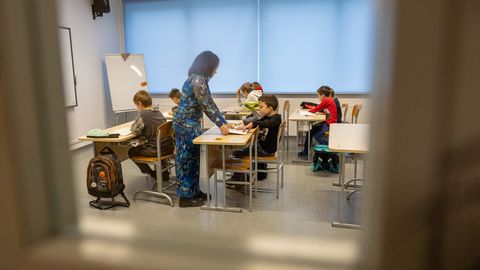
Initial results from the Tallinn Education Department's survey conducted in May 2026 show that a significant proportion of students in schools transitioning to Estonian-language education are gradually improving their subject-specific Estonian language skills. However, schools continue to suffer from a shortage of educational materials, with teachers forced to create resources themselves on a large scale. This, in turn, means teachers face an extraordinarily high workload.
EstoniaInitial results from the Tallinn Education Department's survey conducted in May 2026 offer reasons for optimism: in schools undergoing the transition to Estonian-language education, a notable proportion of students are gradually improving their subject-specific Estonian language skills. At the same time, the survey highlights bottlenecks that require urgent attention.
Students are improving
The survey reveals that in schools that have switched to Estonian-language education, students' Estonian language proficiency in subject lessons is gradually improving. This is a positive sign, given that the transition has been a difficult process for students, parents, and school staff alike. Student results are moving in the right direction, confirming that the language education reform is bearing its first fruits.
Teacher workload is immense
The most acute problem highlighted in the survey is the shortage of educational materials. Schools are experiencing a severe lack of Estonian-language educational materials, and teachers are forced to create them themselves, and on a substantial scale. This means that in addition to regular teaching, teachers spend considerable time developing materials, making their workload extraordinarily high.
The shortage of materials affects not only teachers; it also impacts students' learning experience, as hastily prepared materials may not always meet the highest quality standards. In the longer term, this could slow down the improvement in learning outcomes that the survey shows as a positive trend.
What next?
The Tallinn Education Department's survey underscores the need to rapidly invest in creating and distributing high-quality Estonian-language educational materials. If at present much of this burden falls on individual teachers, a systematic solution would require coordinated support at the state or municipal level, both in the development of materials and in relieving teachers' workload. The full results of the survey are expected shortly.
Open in app →