Tallinn falls behind in development: Putukas Valley mast demolition reveals narrow vision
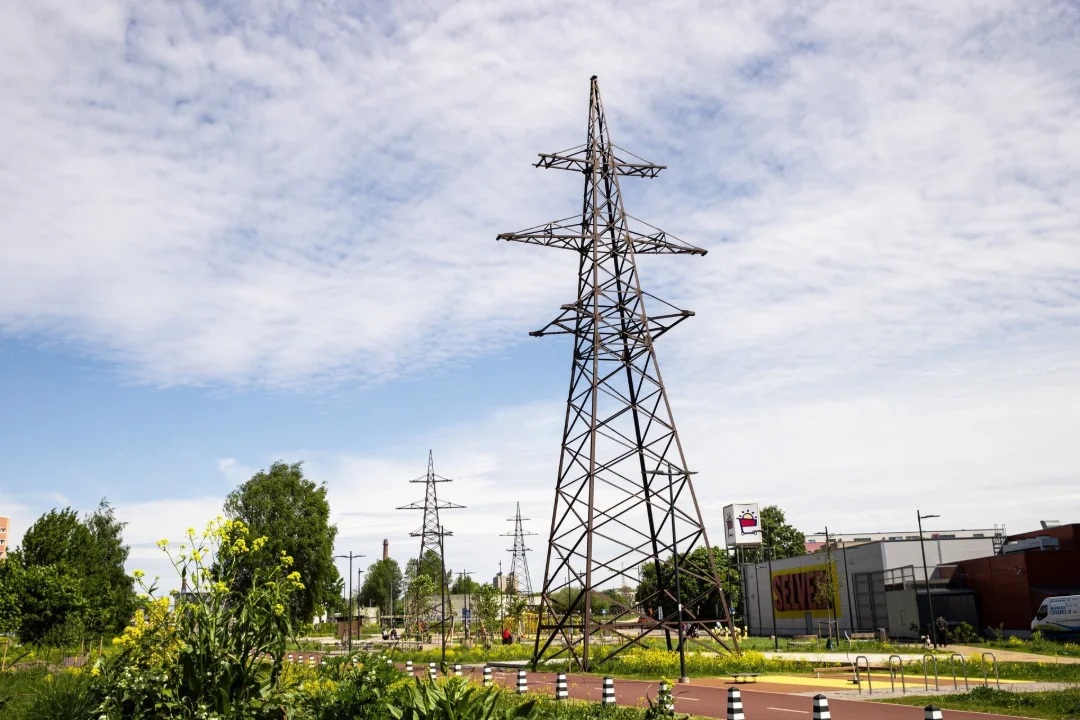
Tallinn's ruling coalition fails to understand the broader value of public space and infrastructure. Bart Cosijn argues the city does not consult residents or businesses, damaging the city's future.
OpinionTallinn faces a troubling trend: the city's ruling coalition makes decisions that reveal a narrow understanding of what makes a city a liveable place. The recent demolition of the Putukas Valley masts is a striking example of this trend.
Beyond functionality
The value of public space extends far beyond its practical utility—whether an object serves its primary function. Well-designed urban environments affect people's wellbeing, attract visitors, and create conditions for economic development. Yet Tallinn's coalition appears to operate on the assumption that infrastructure is valuable only insofar as it serves a narrowly defined practical purpose.
Troubling too is the fact that city residents and business owners have a broader understanding of public space's value than those running the city. Yet they are not consulted when decisions are made that affect everyone living and working in Tallinn.
The city's livability at stake
Tallinn's livability and appeal as a whole depend on how the city maintains and develops its public space. Cities that ignore the wider impact of their decisions risk falling behind competitors both in attracting residents and in winning investment. The demolition of the Putukas Valley masts may seem a small detail, but it symbolizes a larger problem in city governance.
If Tallinn wants to be a modern and vibrant European capital, the city coalition must begin listening to residents and business owners and thinking far more broadly about the value of public space.
Open in app →