Tallinn's Mayor Raudsepp Wanted to Sideline Architects-What Happened?
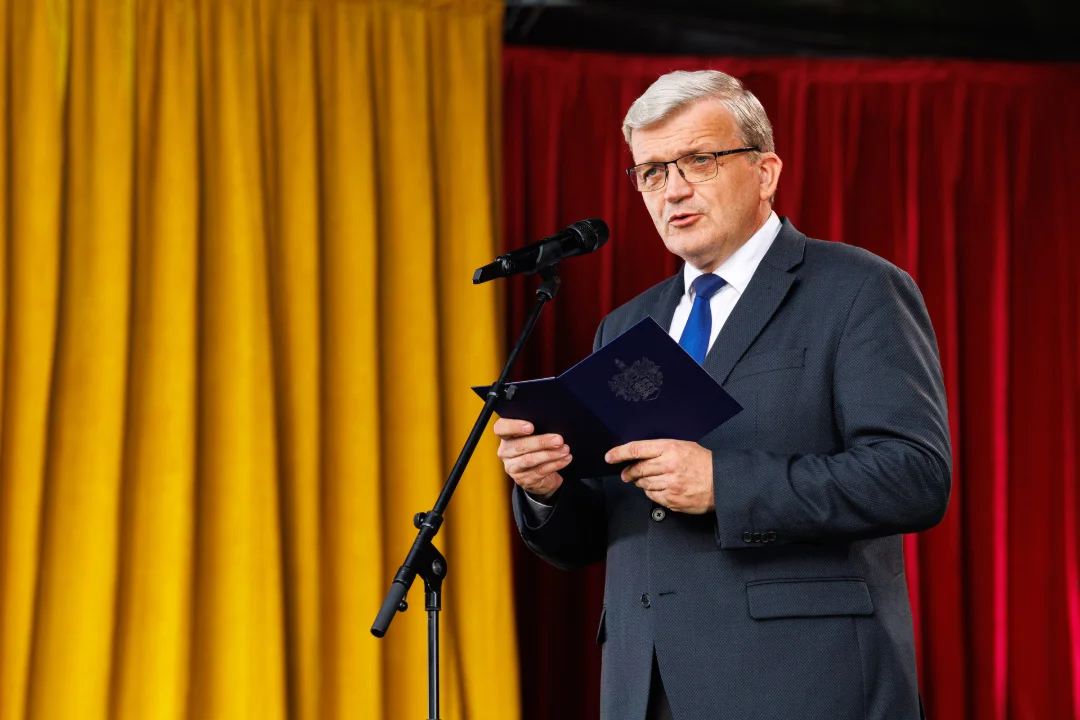
Tallinn's Mayor Peeter Raudsepp proposed abandoning the use of architects in urban construction in favour of standardised solutions. The statement sparked fierce backlash among architects and on social media. The question is whether this reflects a principled stance or an unfortunate choice of words.
EstoniaTallinn's Mayor Peeter Raudsepp recently ignited a heated public debate by expressing the view that the capital's construction projects should dispense with architects and favour standardised solutions. The statement spread rapidly on social media and provoked strong reactions from representatives of the architecture sector and the wider public.
What exactly was said?
Raudsepp argued that Tallinn's buildings and public projects consume excessive resources on bespoke architectural solutions, and suggested that standardised construction methods could be a more cost-efficient alternative. The architecture community responded sharply, with many arguing that such an approach threatens both the city's architectural identity and the broader valorisation of the profession.
Architects' response
The Estonian Union of Architects and many renowned architects voiced their displeasure on social media, emphasising that architectural diversity and professional design are the foundation of quality urban environments. Critics pointed out that thoughtfully conceived architectural solutions make a city a pleasant living environment and boost property values and the worth of neighbourhoods over the long term.
Was the wording unfortunate?
Some commentators have suggested that the mayor may have intended to refer primarily to the standardisation of simple infrastructure or utility structures, rather than the elimination of landmark urban architecture. In that case, it would have been largely a matter of poor phrasing that muddied the message. Nonetheless, some architecture and cultural figures are convinced that the statement reflects a concerning attitude that cannot simply be dismissed as a wording problem.
The debate raises the broader question of how Tallinn wishes to develop in the future-whether to invest in distinctive and quality urban space or to save costs through uniform solutions. For city residents and visitors alike, the important question is what Tallinn wants to be in twenty or thirty years' time.
Open in app →