TalTech Study: Space Shortage Limits Tartu Annelinna Plus-Energy Neighbourhood
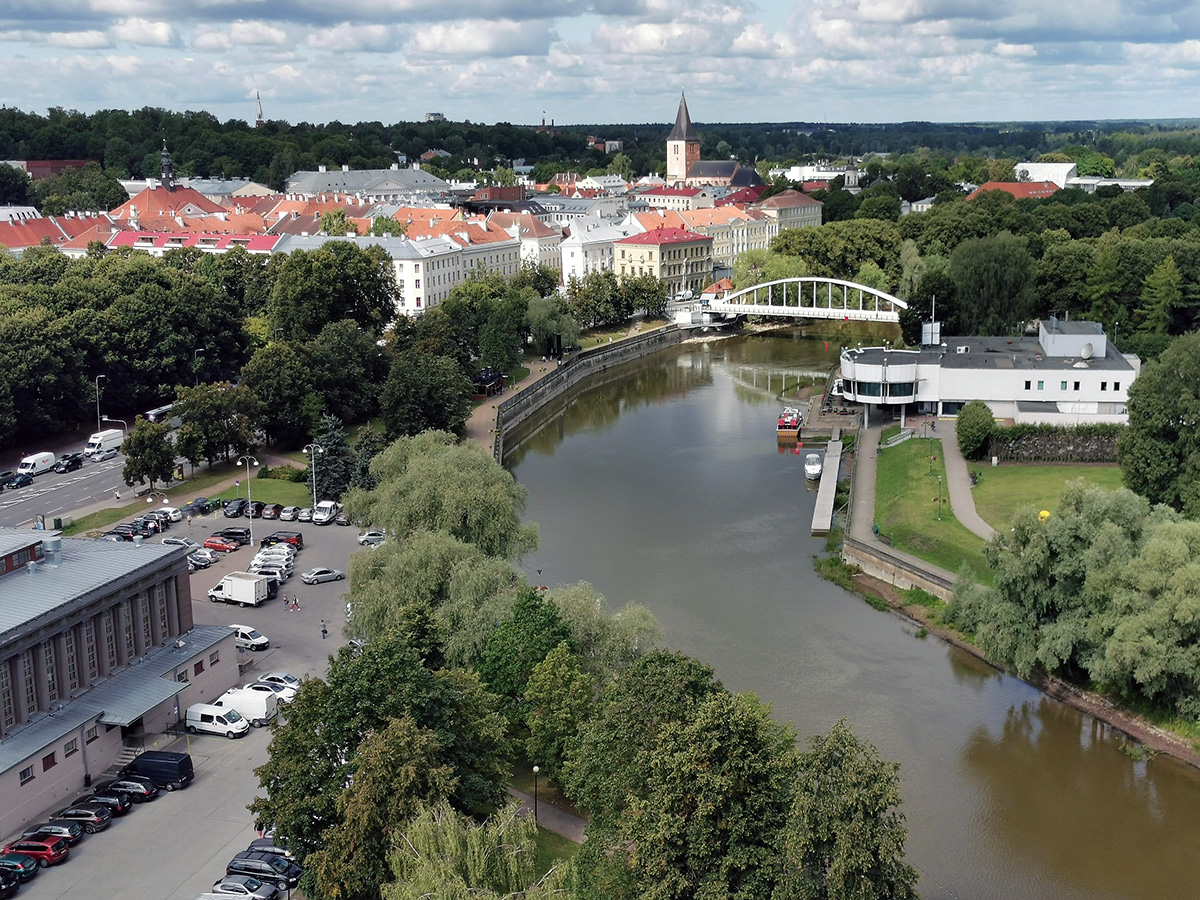
Tallinn University of Technology researchers studied how to transform Soviet-era apartment buildings into a plus-energy neighbourhood, using Tartu's Annelinna Mõisavahe district as a case study. The research showed that comprehensive renovation can reduce energy consumption by up to 70 percent, but meeting winter heating needs with renewable energy requires significantly more land than is available in densely built urban areas. The study was published in Frontiers in Energy Research.
TechnologyTallinn University of Technology researchers have investigated whether Estonia's densely populated urban districts could generate more energy than they consume. The research team, led by Targo Kalamehs, selected Tartu's Annelinna Mõisavahe district as a case study-an area where many Estonians live in energy-intensive Soviet-era apartment buildings.
Renovation Reduces Consumption by 70%
The researchers created an energy model for the district's buildings and compared various renovation and renewable energy solutions. The results showed that comprehensive renovation can reduce building energy consumption by 60-70 percent. This is a significant step towards a plus-energy neighbourhood, but reducing consumption alone is not enough.
Solar panels installed on rooftops could meet up to a quarter of electricity demand after renovation. If panels are also installed on building facades, efficiency rises to 85 percent. However, actual output will be approximately a quarter lower in practice, as some panels will be shaded and sunlight will fall on them at unfavourable angles.
Winter Heating Problem Remains Unsolved
The biggest obstacle to creating a plus-energy neighbourhood is space shortage. To meet winter heating needs with renewable energy, significantly more land would be needed than is typically available near dense urban blocks. Using ground source heat pumps would require twice the building footprint area, while using biomass such as wood chips would require an area 20 times larger than the entire district itself.
The root cause lies in Estonia's climate. Solar panels generate substantial electricity in summer, but buildings have minimal heating load during this season. In winter, heating demand is high, but sunlight is scarce and panel output is low. In densely populated urban areas, local solar energy cannot therefore meet energy savings targets alone.
Study Published in International Journal
The research findings were published in the international scientific journal Frontiers in Energy Research. The results are significant for all of Estonia, where a large share of the population lives in Soviet-era apartment buildings. The study sends a clear message: developing plus-energy neighbourhoods in urban areas requires not only renovation, but also innovative approaches to energy production and storage, as well as carefully planned land use.
Open in app →