Tarmo Soomere: The key to European security lies at sea, not just on land
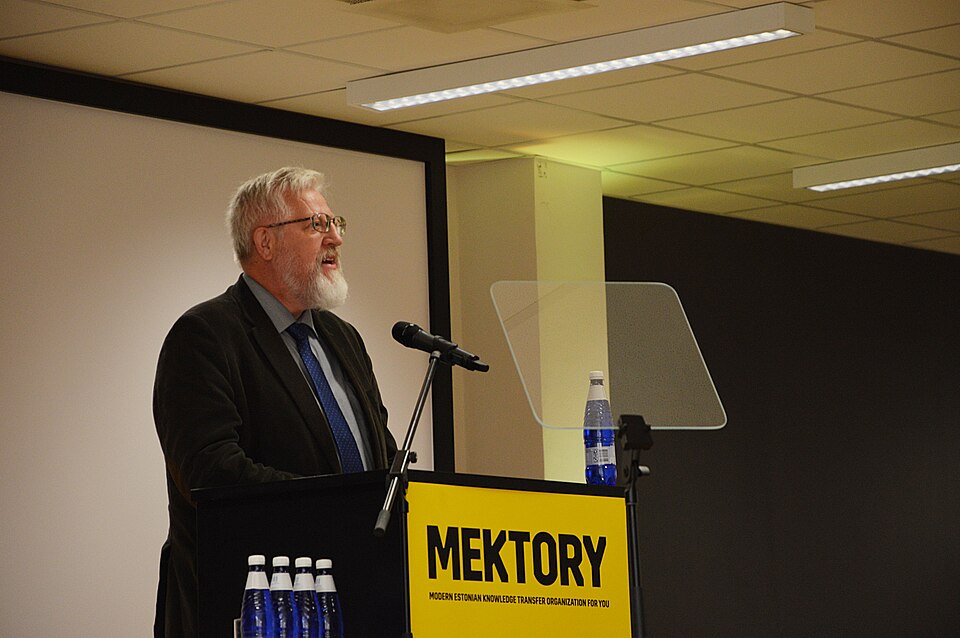
Academician and Tallinn University of Technology professor Tarmo Soomere warns that Europe is focusing too heavily on land and air defence, neglecting sea lanes on which over 80 per cent of global trade depends. In his view, Europe has not learned sufficient lessons from the Suez Canal blockade in 2021 and other threats to maritime routes. He argues that the outcome of the next major conflict may well be decided at sea.
OpinionEstonia and Eastern Europe have made significant efforts in recent years to build strong defences against military threats from both the air and land. Europe's core views this development with satisfaction, yet at the same time one strategically critical area is being largely overlooked: the sea.
Europe is a large peninsula
This is the view of academician, Tallinn University of Technology professor of coastal engineering, and Estonian representative on the NATO Centre for Maritime Research's scientific council Tarmo Soomere. In his assessment, it is too often forgotten that Europe is actually a large peninsula of the Eurasian continent, whose daily economic functioning depends crucially on connections running by sea.
Over 80 per cent of all global trade moves by sea. Disruptions in this system spread quickly and their impact is devastating, both economically and for security. Yet Europe is not sufficiently aware of this.
Warning examples went unheeded
Soomere points out that Europe did not learn enough from the Suez Canal blockade in 2021, which created chaos in global supply chains. Even more concerning, in his view, is that the threat of a closure of the Strait of Hormuz, which would interrupt the flow of oil, does not seem to serve as a sufficient wake-up call in Europe.
Conversely, several European countries even expressed opposition when the US expected their support in addressing crises threatening sea lanes. This points to a fundamental misconception in how Europe assesses its strategic interests.
The sea as the next battlefield
Soomere's argument is clear: if Europe wishes to maintain its economic strength and political independence, maritime security must receive as much attention as land forces and air defence. The outcome of the next major conflict may not necessarily be decided on battlefields in Eastern Europe, but rather on sea lanes and strategic straits.
Representing Estonia on the NATO Centre for Maritime Research's scientific council, Soomere is one of few Estonian scholars who raises this issue in public discourse. His message is simple, yet weighty: Europe's defence is incomplete as long as maritime security remains at the margins of strategic planning.
Open in app →