Tartu's most popular neighbourhoods: a guide to the city's districts
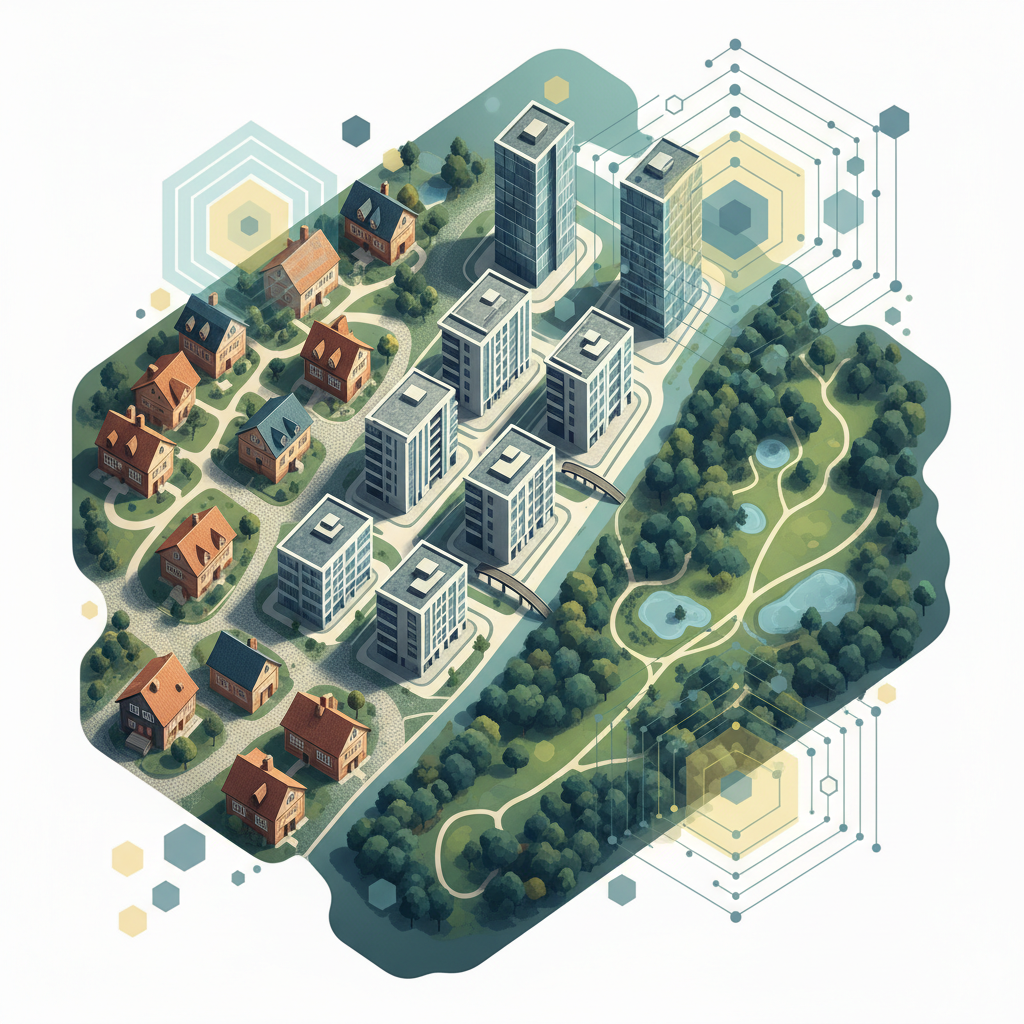
Tartu offers a diverse range of neighbourhoods, each with its own character, from the historical charm of Supilinn and Karlova to the modern developments of Raadi. Understanding what each district offers is key for anyone looking to move within or to Estonia's second-largest city. The city's real estate market continues to show stability and maturity, with demand shifting toward quality of life and energy efficiency.
EconomyTartu, Estonia's second-largest city and its academic heart, is a place where historical architecture, university life, and modern living intersect. For anyone considering a move to the city, or a change of neighbourhood within it, understanding the distinct character of each district is essential. Every area carries its own energy and caters to different lifestyles.
City Centre and Tammelinn
The city centre (Kesklinn) is where Tartu's pulse is strongest. Theatres, museums, restaurants, and the Emajõgi river are all within walking distance, making it a magnet for students, young professionals, and those who thrive on urban life. The trade-off is cost: central apartments are among the most expensive in the city, and privacy can be limited. New development projects along the Emajõgi riverbank have raised the bar further, offering high-quality apartments that command premium prices.
Tammelinn, by contrast, is the neighbourhood many Tartu residents dream of. Dominated by detached houses, large plots, tall trees, and quiet streets, it offers a sense of security and a connection to nature, all while remaining close to the city centre. The area has resisted mass redevelopment, which has kept property values consistently high. For families with children seeking space and calm without leaving the city, Tammelinn is often the first choice.
Annelinn and Supilinn
Annelinn is Tartu's most densely populated district and home to a large share of the city's residents. Its Soviet-era panel apartment blocks may not win any architectural awards, but the neighbourhood functions exceptionally well: schools, kindergartens, large shopping centres, and sports facilities are all on hand. Wide streets and a well-organised public transport network make it highly accessible. In recent years, significant renovation work has improved the energy efficiency and appearance of the housing stock, making Annelinn an increasingly attractive affordable alternative to the city centre.
Supilinn is one of Tartu's most unique areas, a protected historic wooden-house district where narrow streets, romantic courtyards, and proximity to the Emajõgi river create an atmosphere found nowhere else in the city. Those who live here value historical authenticity and a strong sense of community. Demand for homes in Supilinn consistently outstrips supply, and prices reflect that. Buyers here are purchasing a lifestyle, not just square metres.
Karlova and the Eastern Fringe
Karlova has undergone a genuine transformation over the past decade. Its streets lined with historic wooden houses, combined with proximity to the Karlova garden area, have drawn creative professionals, young families, and academics. Popular cafés, small independent shops, and active neighbourhood associations contribute to a lively community atmosphere. The restoration of historic apartments has produced some of the city's most sought-after living spaces, and the real estate market here remains active.
For those seeking something newer and more spacious, the Raadi and Vahi areas on the city's eastern edge are the fastest-growing districts. The completion of the Estonian National Museum (Eesti Rahva Muuseum) and ongoing infrastructure investment have spurred a wave of new apartment buildings and private homes. Raadi appeals to those who want modern construction, generous parking, and green surroundings, while still being able to reach the centre with relative ease.
Ülejõe and the 15-Minute City Trend
Ülejõe offers a balance between academic life and leisure. Several University of Tartu buildings are located here, alongside attractive parks and the Emajõgi promenade. Housing ranges from historic buildings to modern apartment complexes, catering to a wide range of buyers. The neighbourhood is particularly popular among students and young families.
Real Estate Outlook
Tartu's property market has demonstrated notable maturity and stability in recent years. The focus has shifted from simply finding an affordable option to prioritising quality of life, energy efficiency, and thoughtful urban planning. Districts investing in green spaces, safety, and community services are seeing the strongest demand.
Looking ahead, Tartu is expected to continue expanding toward its outer limits, but a growing appetite for so-called "15-minute city" living, where all daily needs can be met within a short journey, is boosting the long-term appeal of Kesklinn, Ülejõe, and Annelinn. Historic districts like Supilinn and Karlova hold their value precisely because their supply is inherently limited. Wherever one chooses to settle, Tartu is making steady progress in ensuring a high quality of life across all of its neighbourhoods.
Open in app →