Ten years on: Brexit's economic fears proved overblown
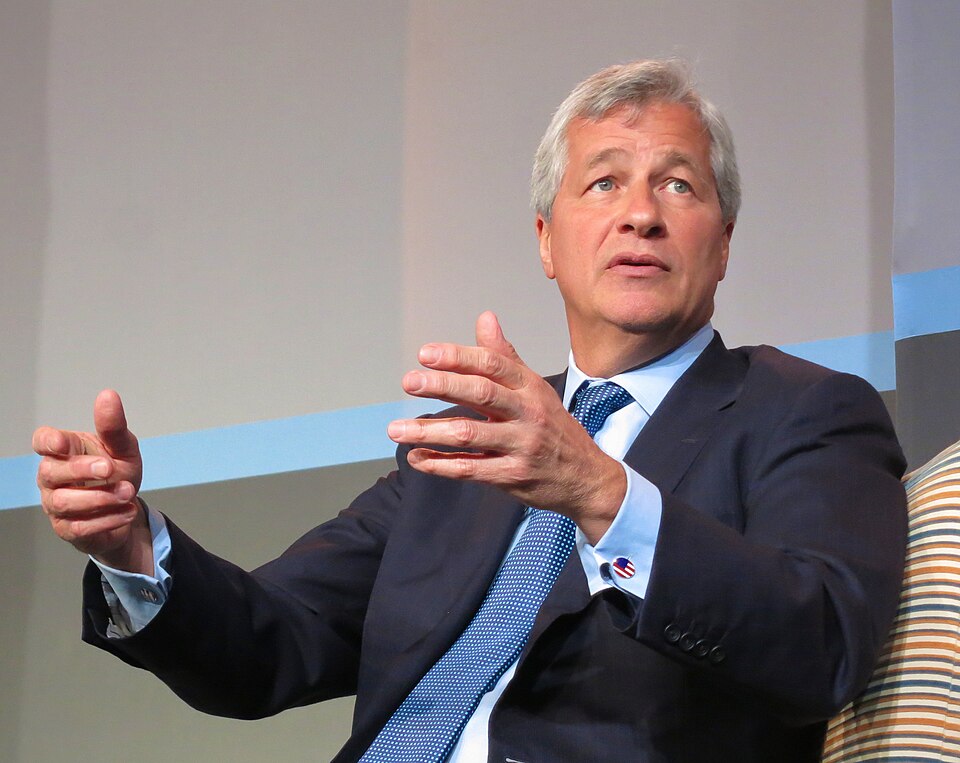
Ten years ago, on a summer's day, the UK voted to leave the European Union. Before the referendum, leading banking experts, including JPMorgan Chase CEO Jamie Dimon, warned of catastrophic consequences for the UK's financial industry. Today it is clear that many of these fears have not materialized to the extent expected.
EconomyExactly ten years ago, on 24 June 2016, the UK shocked the world by voting to leave the European Union. Before that historic referendum, warnings echoed from all sides, particularly from the financial sector.
Dimon and big numbers
JPMorgan Chase CEO Jamie Dimon was one of the most influential voices predicting that Brexit would force the bank to move 4,000 jobs out of the UK. He was far from alone, major banks, investment funds, and multinational companies viewed the referendum with considerable concern.
The doomsday scenarios were varied: London would lose its role as Europe's financial capital, jobs would move to Frankfurt, Paris, and Dublin, and the UK economy would plunge into a deep crisis.
Reality proved different
Ten years later, the picture is more complex than pessimists predicted. Although some financial services and jobs have indeed moved to continental European cities, London has not lost its status as the world's leading financial centre. The UK economy has faced multiple challenges, but these have largely been the result of global crises, the pandemic, energy price shocks, rather than direct consequences of Brexit.
Brexit's actual impact is a publicly contested issue: Eurosceptics stress that catastrophe have not materialized, while EU supporters point to a long-term slowdown in economic growth and rising trade barriers.
A lesson for the future
The Brexit story is a cautionary tale against both exaggerated fears and overly optimistic promises. Over the past decade, it has become clear that economic changes are rarely dramatic and immediately visible; rather, they unfold gradually, affecting investment, productivity, and trade volumes over years.
Open in app →