Tesla Triples Capital Spending Plans to $25 Billion
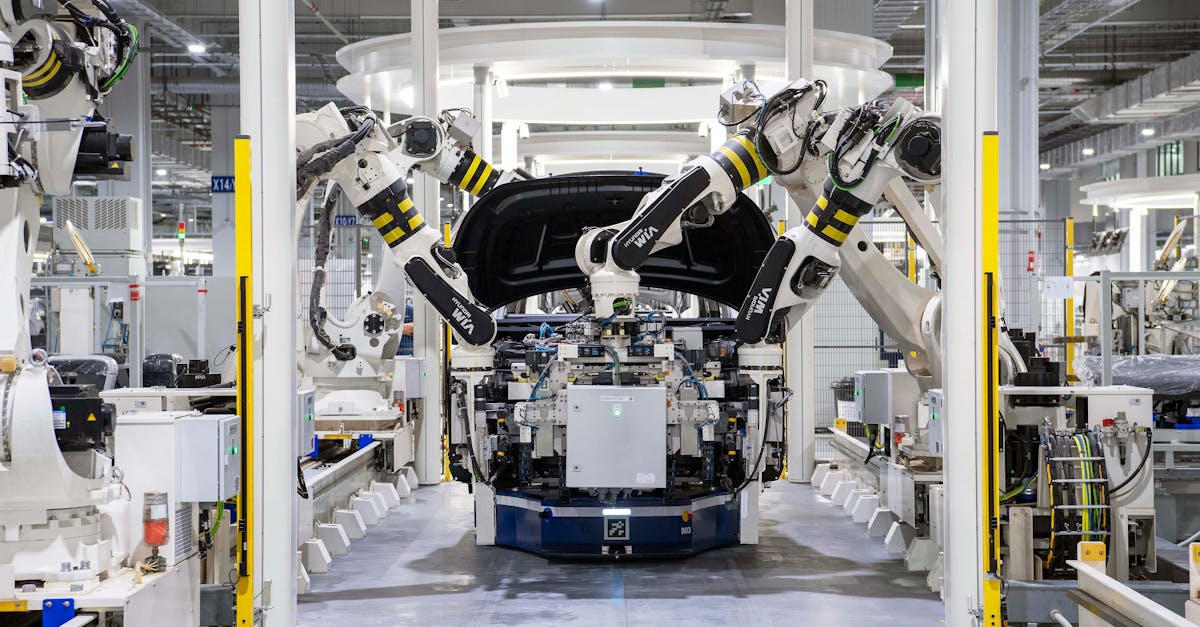
Tesla announced a dramatic increase in capital expenditure to $25 billion for 2026, representing a threefold increase compared to historical spending levels. The company's CFO warned that this aggressive investment strategy will result in negative free cash flow for the remainder of the year.
EconomyTesla has unveiled an ambitious expansion strategy with capital expenditure plans reaching $25 billion in 2026, a substantial escalation from the company's typical investment levels. This decision marks a significant shift in the electric vehicle manufacturer's financial approach and reflects management's confidence in growth opportunities ahead.
According to statements from Tesla's chief financial officer, the tripled capex allocation will create short-term pressure on the company's cash position. The CFO explicitly cautioned investors that Tesla expects negative free cash flow throughout the remaining months of the year as the company channels resources into expansion projects. This represents a deliberate trade-off between immediate profitability and long-term growth infrastructure.
The capital expenditure surge indicates Tesla's commitment to scaling production capacity and developing new technologies. Such substantial investment typically targets manufacturing facilities, research and development initiatives, and infrastructure upgrades necessary to support the company's ambitious growth targets in the coming years.
Investors will be closely monitoring how effectively Tesla deploys these billions of dollars. The company's ability to convert this aggressive capital spending into revenue growth and eventual profitability improvements will be crucial in validating the strategic decision to prioritize expansion over near-term cash generation.
This financial strategy aligns with Tesla's pattern of making bold bets on future demand, though it does introduce near-term financial constraints that could influence stock performance and investor sentiment during the transition period.
Open in app →