The 2026 FIFA World Cup: what to know about football's biggest tournament
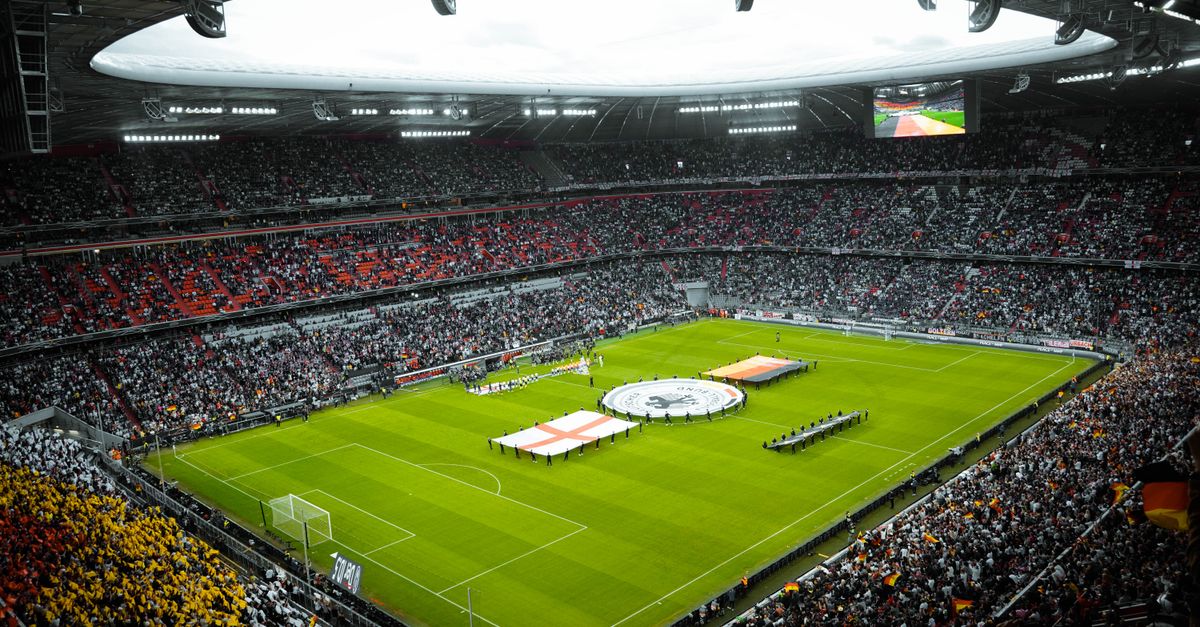
The 2026 FIFA World Cup will be the first World Cup held across three nations-the United States, Canada, and Mexico-and the first expanded to 48 teams. The tournament represents a significant shift in how football's flagship competition is organized, raising questions about travel logistics, stadium readiness, and what it means for teams competing on unfamiliar soil.
SportWhat is the FIFA World Cup?
The FIFA World Cup is international association football's premier tournament, held every four years since 1930. It is the most-watched sporting event on the planet-the 2022 final between Argentina and France drew an estimated 1.5 billion viewers globally. The tournament determines which nation's team is crowned world champion and typically lasts about a month, with 32 national squads competing in a group stage followed by knockout rounds.
The World Cup differs from continental competitions like the UEFA European Championship or the Copa América. It is truly global in scope, with qualification tournaments spanning years and involving nearly every football-playing nation on Earth. Hosting the World Cup is seen as a mark of international prestige, and the tournament has historically shaped infrastructure investment, national identity, and geopolitical relationships.
The 2026 tournament: key changes
Expansion to 48 teams
For the first time in its history, the World Cup will feature 48 teams instead of 32. This expansion was approved by FIFA in 2017 and marks a fundamental change to the competition format.
- Old format (1998-2022): 32 teams divided into 8 groups of 4. Each team played 3 group matches; the top 2 from each group advanced to the round of 16.
- New format (2026 onwards): 48 teams divided into 16 groups of 3. Each team still plays 3 group matches; the top 2 from each group advance, plus 8 third-place teams with the best records.
FIFA argues the expansion increases opportunity for smaller nations and generates more high-stakes matches. Critics counter that it dilutes competition quality, inflates the tournament schedule, and advantages teams that finish first (who avoid strong third-place finishers).
The expanded format also means more matches overall: approximately 80 games compared to 64 in previous tournaments. This has cascading effects on scheduling, venue availability, and logistical strain.
Three-nation hosting
The 2026 World Cup will be hosted across three countries for the first time:
| Country | Confirmed stadiums | Estimated capacity |
|---|---|---|
| United States | 12 venues | ~620,000 across all venues |
| Canada | 2 venues (Toronto, Vancouver) | ~90,000 combined |
| Mexico | 3 venues (Mexico City, Guadalajara, Monterrey) | ~200,000 combined |
The tri-national format was approved in 2018 when the U.S., Canada, and Mexico jointly bid. FIFA saw it as a way to strengthen North American football infrastructure and share the enormous financial and logistical burden. However, it introduces unprecedented complexity: teams will travel across borders multiple times, fans will navigate three different time zones, and administrative coordination between three separate national football associations and governments is required.
Historical context
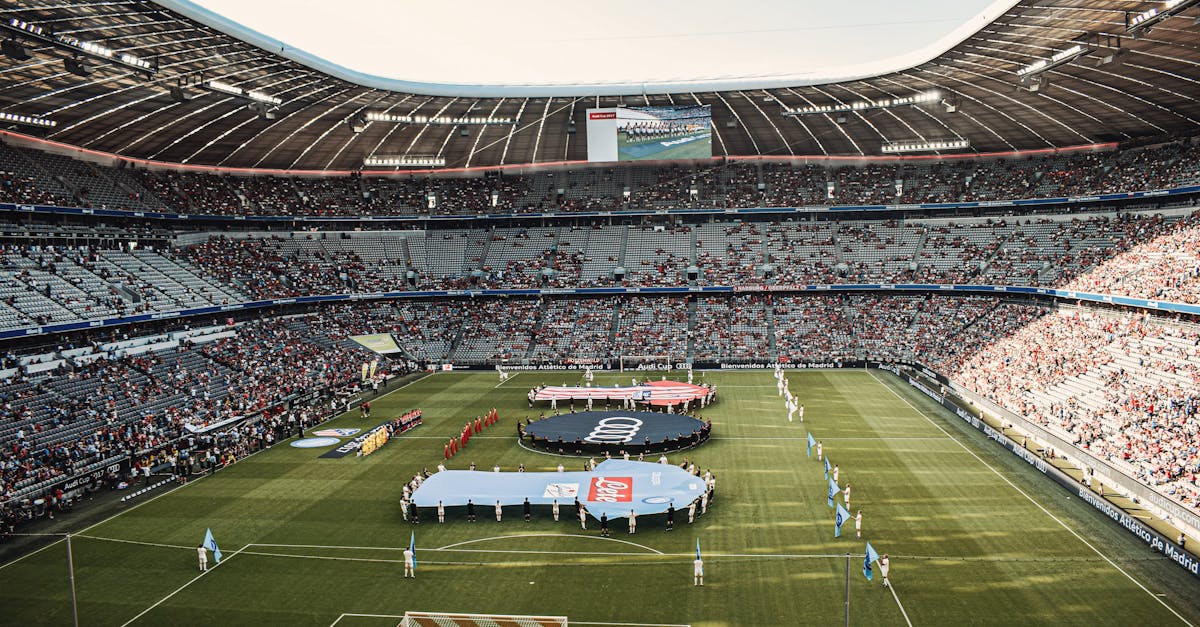
The World Cup has been held in a single country in every edition since 1930, except for 2002 (South Korea and Japan co-hosted). That partnership was largely harmonious and proved that shared hosting could work operationally. However, 2002 involved two adjacent nations in East Asia with strong pre-existing sports infrastructure. The 2026 arrangement covers a vastly larger geographic area-from the Pacific coast of North America to the Atlantic-and includes a nation (Mexico) with less developed stadium infrastructure than the U.S. and Canada.
FIFA's expansion and the three-nation format reflect broader trends in world football: the sport's explosive growth in North America (evidenced by increased MLS investment, successful women's tournaments hosted in the region, and rising TV audiences); pressure to include more nations in the tournament (appeasing football federations from smaller countries); and the challenge of finding countries willing to absorb the enormous financial risk of hosting alone. The 2022 World Cup in Qatar cost an estimated $220 billion when accounting for infrastructure beyond stadiums. Few nations can or will commit such sums unilaterally.
How the tournament will work
Qualification
Qualification for 2026 has already begun. The format is:
- CONCACAF (North America, Central America, Caribbean): 3.5 berths. The region will have 3 automatic spots plus one playoff spot.
- CONMEBOL (South America): 6 berths from 10 nations.
- UEFA (Europe): 16 berths from 55 nations.
- AFC (Asia): 8.5 berths from 47 nations.
- CAF (Africa): 9 berths from 54 nations.
- OFC (Oceania): 0.5 berths (the winner plays a playoff).
Intercontinental playoffs will determine the final spots.
Canada and Mexico qualify automatically as co-hosts; the U.S. also qualifies automatically. This means CONCACAF only has two qualifying spots genuinely contested-a competitive advantage for the three hosts.
Group stage and knockout format
The 16 groups of 3 mean that on the final matchday, two games are played simultaneously in each group. This prevents collusion (one team deliberately losing to help a favored opponent). However, third-place teams advancing introduces complexity: eight third-place teams with the best records advance, creating situations where a team could finish second but be eliminated if stronger third-place finishers exist elsewhere.
After groups, the tournament proceeds to a round of 32 (32 teams total), then round of 16, quarterfinals, semifinals, and final.
Venues and logistics
The U.S. is building no new stadiums specifically for the World Cup; it will use existing NFL, MLS, and college facilities. The 12 U.S. venues span from New York and Boston to Los Angeles and Seattle, covering nearly the entire continental nation. This geographic sprawl, while showcasing American diversity, creates travel challenges. A team in one group might play in New York, then move to Los Angeles for their next match-a 2,400-mile journey.
Canada's two venues (Toronto and Vancouver) are separated by 2,200 miles; teams traveling between them face significant travel time. Mexico's three venues are more compact but require international border crossings for travel between the U.S., Canada, and Mexico.
Flights, accommodation, and security coordination across three nations' immigration systems will be extraordinary. Fans traveling to multiple matches will need three-country travel documentation or the matches will be arranged to minimize cross-border movement-though this is logistically complex.
Why this matters for Estonia
Estonia itself has no direct stake in 2026 hosting-it is not a co-host and will almost certainly not qualify (the Estonian men's team ranked 132nd globally as of late 2024). However, the tournament matters indirectly:
Global football context: Estonia's national team competes in UEFA qualifying rounds. The expanded World Cup and new formats influence how UEFA structures its qualifying tournaments and schedules.
Sports infrastructure and investment trends: If 2026 succeeds operationally, it may encourage regional co-hosting of other major tournaments. This could affect future Euro championships or other continental competitions that might involve Baltic or Northern European venues.
Broadcasting and commercial patterns: The tournament's success or failure (in terms of viewership, engagement, and logistics) will shape how major sporting events are packaged, broadcast, and monetized globally-influencing what Estonian broadcasters and fans can access.
FIFA governance: Debates about the expanded format and three-nation hosting reflect broader FIFA debates about governance, inclusion, and fairness. These shape eligibility, seeding, and scheduling rules that affect all nations, including Estonia.
Common misconceptions
"The 2026 World Cup will be held across 16 cities." False. While matches will occur at 17 stadiums across multiple cities, the tournament is officially hosted by three nations. Some stadiums are in cities (Toronto, Vancouver, Mexico City) but others serve as primary venues for large regions.
"Expansion to 48 teams makes the tournament more inclusive." Partially true. Expansion creates five additional spots for 48 nations (one more spot per region roughly). However, the largest gains go to UEFA (which gains one spot from 32 teams participating to 16 qualifying spots, in a region of 55 nations) and CONCACAF (which gains 0.5 spots, benefiting the three hosts). CAF and AFC gain fewer proportionally relative to their large number of nations.
"Teams will have an advantage playing at home." Partially true for hosts, but three-nation hosting dilutes this. Only a handful of matches will be at the host nations' primary venues. A Canadian team might play most group matches in the U.S., negating home advantage. Mexican teams have the largest structural advantage, as three venues are in Mexico.
"The tournament will be a logistical nightmare." Possibly, but exaggeration. The North American region has world-class transportation infrastructure. International matches occur regularly across borders. The main challenge is the scale and compressed timeframe-not inherent impossibility.
What to watch
As 2026 approaches, several developments matter:
Stadium readiness: All venues must meet FIFA standards for pitch quality, security, broadcast facilities, and capacity. The U.S. has sufficient stadiums; Canada and Mexico may face upgrades or capacity challenges.
Qualification narratives: Watch how smaller nations perform in qualifying. The expanded format theoretically helps them, but UEFA's dominance in slot allocation suggests European nations will still comprise a large proportion of participants.
Operational integration: Will border crossing for teams and fans work smoothly? Early test events (friendlies, qualifying matches at these venues) will reveal logistical bottlenecks.
Commercial success: TV viewership, ticket sales, and sponsorship will indicate whether three-nation hosting dilutes or enhances the tournament's commercial appeal.
Competitive impact: Will the 48-team format and groups of three create more exciting football or more predictability? Early results from qualifying tournaments using similar formats (like the 2023 Copa América) offer clues.
The 2026 World Cup is an experiment in scale and coordination. Its success will influence how football's biggest competitions are organized for decades.
Open in app →