"The Devil Wears Prada 2": Why the Sequel Fails to Match the Original
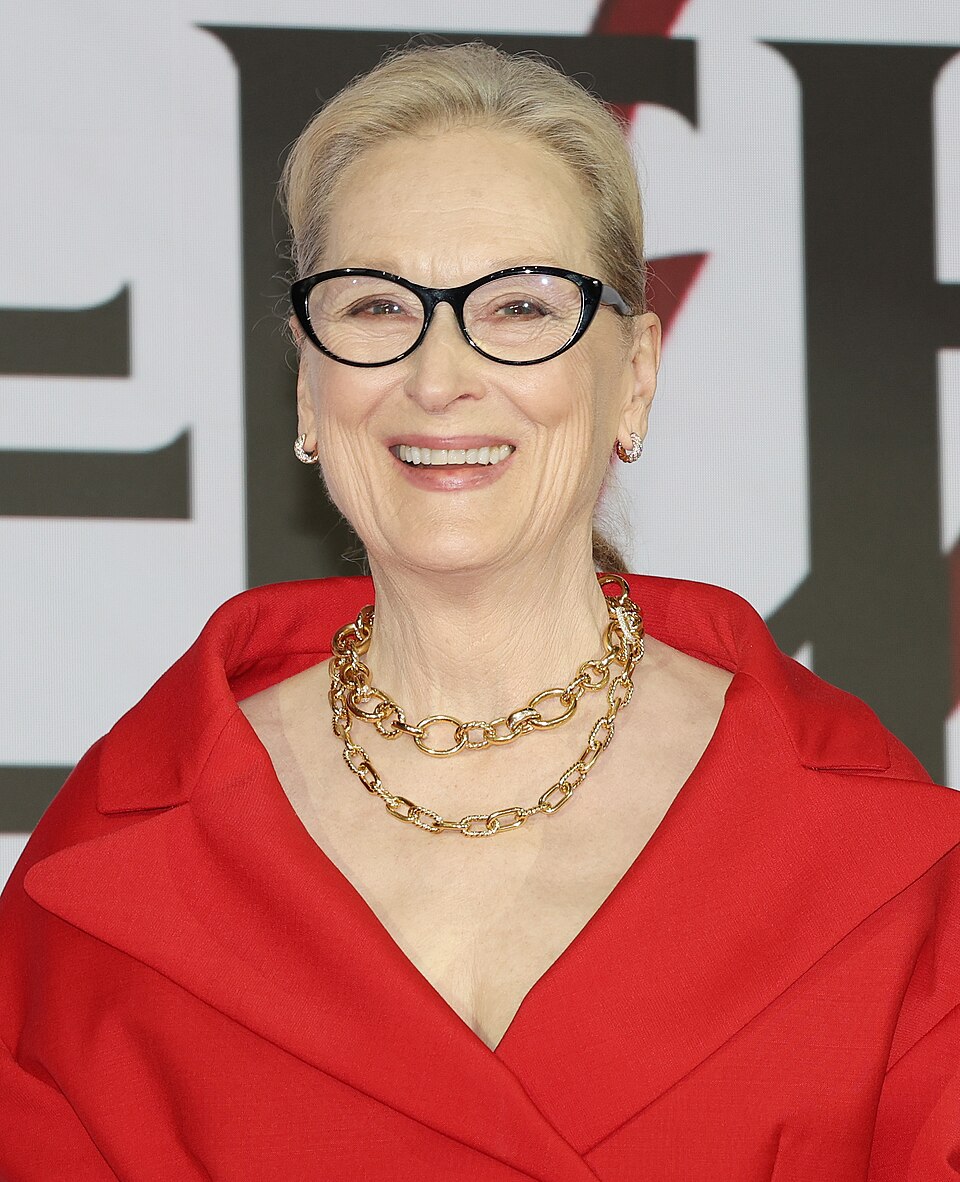
Two decades after the first film, Meryl Streep returned to the screen as Miranda Priestly, but critics find the sequel lacks the original's wit and depth. While the film offers fashion world glamour and familiar faces, the characters feel flattened and tension is absent. The result is a simple dramedy that doesn't even attempt to rival its predecessor.
CultureIn May 2026, the sequel to the cult classic "The Devil Wears Prada" arrived in cinemas, having generated audience anticipation throughout the previous year. Meryl Streep returned as Miranda Priestly, the iron-fisted editor of magazine "Runway" Anne Hathaway reprises her role as the spirited Andy Sachs, Emily Blunt plays the ambitious Emily Charlton, and Stanley Tucci the kindly Nigel. Yet even with this charismatic cast and Lady Gaga's fashion show, the sequel cannot give the film the vitality, momentum and spirit that made the original beloved.
The setup seems promising
The film opens promisingly: over two decades, Andy has been conducting investigative reports, travelling across the country like Erin Brockovich, and has won a prestigious journalism award. But just as she takes the stage with tears in her eyes, she learns along with her colleagues that she is losing her job. Against the backdrop of the American media sector's crisis and waves of layoffs, this plot device works quite organically.
Soon Andy is offered the position of editor at "Runway," the magazine has fallen into scandal and needs a crisis manager. Andy agrees quickly, and this is where a story about compromises and battles of conscience could have begun, but the character who once left the glamour world decisively and without regret now adapts to this world surprisingly easily and with enthusiasm.
Miranda is no longer a devil
The original film presented the fashion world with both sympathy and irony, contrasting the snobbery of fashion circles with Andy, an honest girl who lacked polish but not depth of character. One of the film's most famous quotes goes: "A million girls would kill for this job." Andy astonished both Miranda and audiences by refusing to do exactly that.
But now Miranda Priestly has been rewritten. There is a certain consensus among critics on this point: she still wears Prada, but she is far from being a devil anymore. Now she is simply a tired boss who occasionally snaps at her subordinates, but is generally reasonable and willing to cooperate. Andy, who once impressed everyone by leaving fashion journalism, seems overly accommodating in her new role.
The tension and drama are gone
In the first film, each task Miranda threw at her assistant kept audiences glued to the screen, the game being whether Andy would succeed or not. The sequel has the protagonist solve every challenge with such playful ease that it resembles Netflix's "Emily in Paris" rather than the original film. The audience hardly has time to empathize with Andy because everything is resolved almost immediately.
The romance subplot is equally dull. In the original, Andy's relationship with her boyfriend Nate generated a vivid response in audiences and internet debates about whether Nate was the villain, as he didn't support Andy enough, continue to this day. The sequel offers a love story that neither affects the plot nor the character's development. The couple are not convincingly drawn to each other.
Glamour without substance
By the film's end, Andy and Emily form a sort of team and engage in "gossip column" style intrigue, with Andy as a cartoonish simpleton and Emily equally cartoonish in her egocentric ambition. Miranda eventually gathers her talents and contacts and sets things right with Andy. The plot twists are meant to entertain, but they contain as much depth as the intrigues of Blair Waldorf and Serena van der Woodsen.
The original film only pretended to be a superficial comedy about a glossy magazine; in reality it was a sharp comment on how not to lose yourself chasing other people's ideals. The sequel is simply a fun dramedy about a glossy magazine that doesn't even aspire to anything greater.
Open in app →