The FIFA World Cup: How football's greatest tournament became a global phenomenon
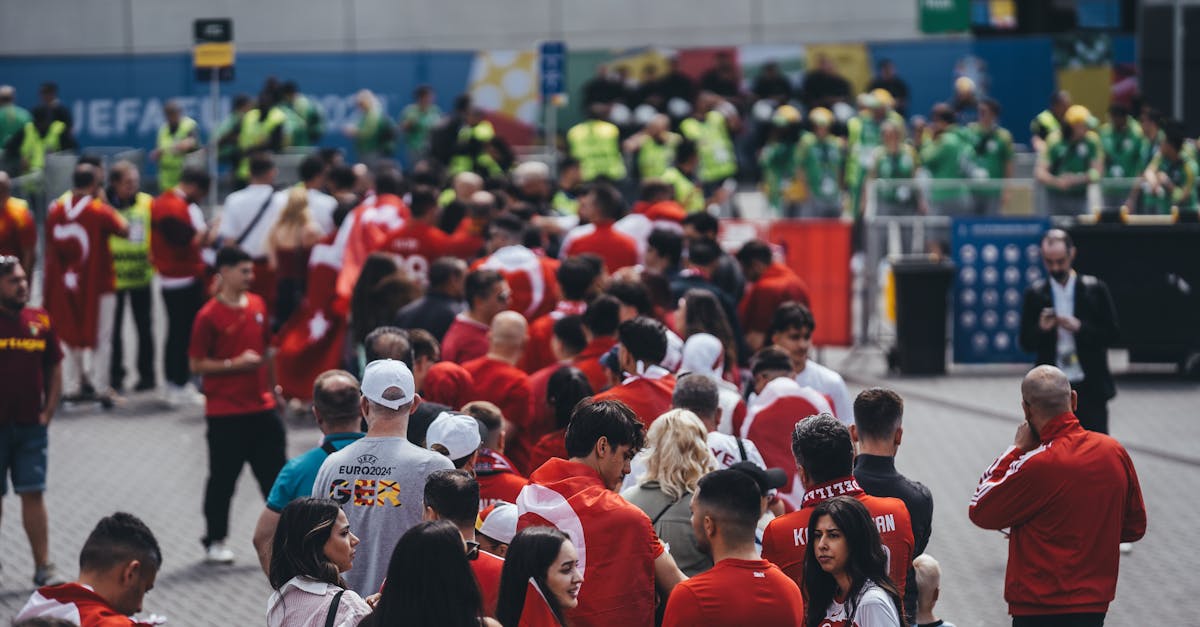
The FIFA World Cup is the world's premier international football competition, held every four years since 1930. From Uruguay's first victory to recent dominance by European and South American nations, the tournament has produced unforgettable moments, legendary players, and shaped how billions of people experience sport. Understanding its history, rules, and cultural significance reveals why it remains the most-watched sporting event on Earth.
SportWhat is the FIFA World Cup?
The FIFA World Cup is an international association football (soccer) tournament contested by the men's national teams of member nations of the Fédération Internationale de Football Association (FIFA). Held every four years, it is the sport's most prestigious competition and the most-watched sporting event globally, with billions of viewers across the final tournament stages.
The competition culminates in a four-week tournament where 32 national teams (expanded to 48 teams starting in 2026) compete across multiple matches to determine a world champion. The structure includes qualification rounds, where nations compete to earn a place, followed by the final tournament itself.
Origins and early history
Football had become a global phenomenon by the early 20th century, but no truly international championship existed. The sport was played at the Olympics from 1900, but these were amateur competitions with limited national participation.
In 1928, FIFA's president Jules Rimet proposed a dedicated world championship for professional players. Uruguay, a footballing powerhouse that had won Olympic gold in 1924 and 1928, was selected to host the inaugural tournament in 1930. This choice was controversial-European nations objected to the long sea voyage required-but Uruguay's football credentials and willingness to finance the event secured its selection.
The first World Cup was a modest affair by modern standards. Only 13 nations participated. Uruguay defeated Argentina 4-2 in the final, establishing the tournament's pattern of producing dramatic matches and unexpected drama. The event, however, captured global imagination in a way previous competitions had not.
Growth and global reach
After World War II interrupted the tournament (no competitions were held in 1942 and 1946), the World Cup resumed in 1950 in Brazil. The tournament gradually expanded in scale and significance. Brazil hosted again in 1962 and 2014, becoming the event's most frequent host nation.
The 1950s and 1960s saw the emergence of dominant footballing nations. Brazil established itself as a powerhouse, winning three titles (1958, 1962, 1970) and pioneering an attacking, aesthetic style of play that captivated audiences. The nation's 1970 team, featuring Pelé, is often regarded as one of sport's greatest sides.
West Germany emerged as another consistent force, winning in 1954 and 1974, while establishing a reputation for tactical sophistication and physical resilience. England won its only World Cup in 1966 on home soil, with a memorable final against West Germany at Wembley Stadium.
The tournament's geographic spread increased over time. By the 1970s and 1980s, it had become a truly global event. Argentina won twice (1978, 1986), establishing itself as a rival to Brazil. France won in 1998 and 2018, becoming only the second nation to win multiple titles in the modern era. Italy and Spain also secured championships, reflecting European football's growing strength.
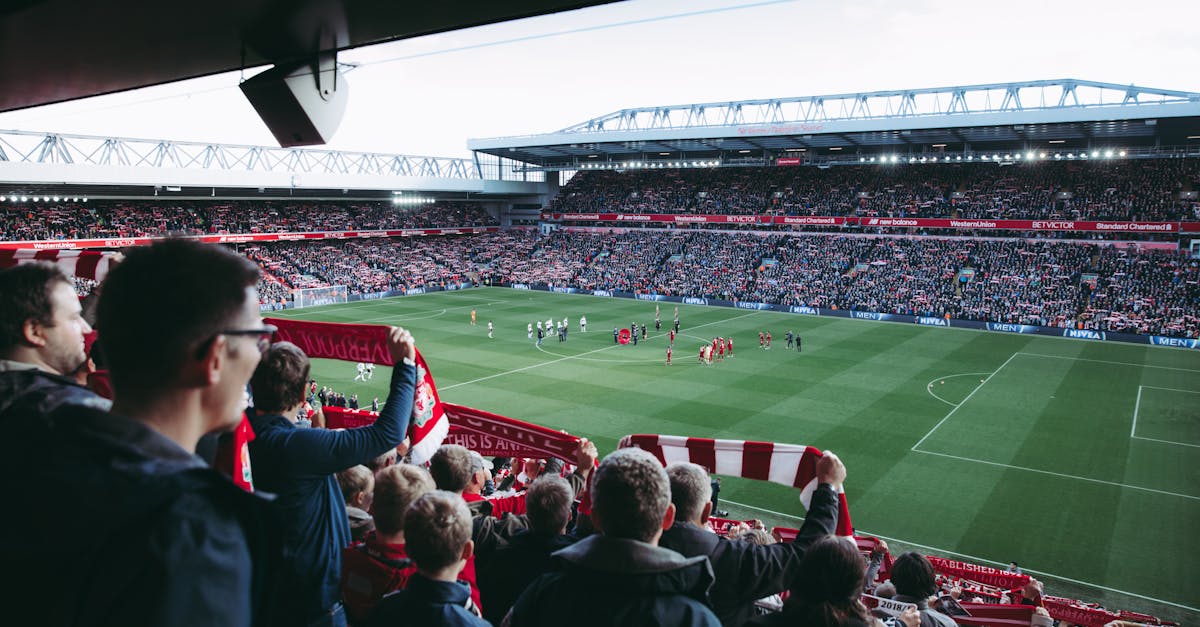
Key moments and legends
Certain moments transcend sport and enter cultural memory. These include:
1950 World Cup Final: Brazil's shock loss to Uruguay in the tournament's climax (held in Brazil) remains one of sport's great upsets. The match is known in Brazil as the "Maracanã disaster."
1958 World Cup: Seventeen-year-old Pelé announced himself on the world stage, helping Brazil win in Sweden. He would become synonymous with the tournament, winning three titles.
1974 World Cup: West Germany's "Total Football" approach, developed by coach Rinus Michels and perfected by the Dutch, revolutionized tactical thinking. Though the Netherlands didn't win, their influence on the sport proved enormous.
1986 World Cup: Diego Maradona single-handedly carried Argentina to victory, including a famous quarter-final performance against England featuring both a handball goal and a dribble later named "Goal of the Century."
2014 World Cup: Germany's 7-1 demolition of host nation Brazil in the semi-final shocked the footballing world and remains one of sport's most dramatic turnarounds.
Rules and tournament structure
The World Cup follows a standardized format, though details have evolved:
Qualification: Nations compete in regional tournaments over two years to earn places in the final tournament. Most confederations (UEFA, CONMEBOL, CAF, AFC, OFC, CONCACAF) run their own qualifying competitions.
Final tournament: Teams are divided into groups, playing each other once in a round-robin format. The top finishers advance to knockout stages-round of 16, quarter-finals, semi-finals, and final.
Scoring: Wins earn 3 points, draws 1 point, losses 0. Tiebreakers are goal difference, then goals scored. In knockout matches, extra time and penalty shootouts determine winners.
Duration: Matches last 90 minutes (plus injury time) in group stages and knockout rounds up to the semi-final. Finals go to 120 minutes if tied after 90.
Modern dominance and patterns
Since the 1990s, a clear pattern has emerged: European and South American nations dominate. Of the last 15 World Cups (1990-2022), European teams won 9 times and South American teams 6 times. No African, Asian, or North American nation has ever won.
Recent champions include:
| Year | Winner | Final Opponent | Notable |
|---|---|---|---|
| 1998 | France | Brazil | First World Cup on European soil in 20 years |
| 2002 | Brazil | Germany | Brazil's fifth title |
| 2006 | Italy | France | Italy's fourth title |
| 2010 | Spain | Netherlands | Spain's first and only World Cup |
| 2014 | Germany | Argentina | Germany's fourth title |
| 2018 | France | Croatia | France's second title |
| 2022 | Argentina | France | Argentina's third title; Messi's only World Cup |
Lionel Messi and Cristiano Ronaldo dominated the 2010s as the sport's best players, yet only Messi won a World Cup (2022). This fact alone illustrates the tournament's unique character-individual brilliance must align with team function and, often, luck.
Expansion and recent changes
FIFA has made significant structural changes in recent years. Starting with the 2026 World Cup (co-hosted by USA, Canada, and Mexico), the final tournament will expand from 32 to 48 teams. This change aims to increase participation and revenue but also raises concerns about match quality and the dilution of competition.
FIFA also moved the 2022 World Cup in Qatar from its traditional June-July slot to November-December due to extreme heat, disrupting domestic league calendars worldwide-a controversial decision that highlighted FIFA's power over global football.
Why this matters for Estonia
Estonia has never qualified for a World Cup final tournament. The nation's football federation competes in UEFA (European confederation) qualifying rounds, but faces competition from established football nations. Estonia ranks approximately 130th in FIFA's world rankings, well below the threshold for regular qualification.
However, the World Cup matters culturally to Estonians. During tournaments, the nation experiences a surge in football interest, with major matches drawing television audiences and community viewership. The tournament also offers Estonian broadcasters valuable content, with YLE and ERR (Estonian Public Broadcasting) securing rights to major matches.
Estonia's absence from World Cups reflects a broader pattern: small nations and those without deep football traditions struggle to compete with established powerhouses that possess larger talent pools, superior infrastructure, and sustained investment. For Estonian footballers, the World Cup remains an aspirational goal rather than a realistic prospect in the near term.
Common misconceptions
Misconception 1: "The best team always wins." The World Cup produces frequent surprises. Greece, South Korea, Senegal, and Costa Rica have all reached later stages despite being unfancied. Tournament football-best-of-one matches with no second chances-allows for upsets that wouldn't occur in league play.
Misconception 2: "Individual players determine outcomes." While Maradona and Messi produced brilliant displays, both required functioning teams. Context, tactics, and collective effort matter enormously. Ronaldo never won a World Cup despite being among the sport's greatest players.
Misconception 3: "European and South American teams are equally matched." Data shows regional variation. European teams have won 9 of the last 15 tournaments, while South American teams won 6. This reflects differences in development infrastructure, player migration patterns, and competitive intensity.
Misconception 4: "The World Cup is purely meritocratic." Hosting carries significant advantages-home teams reach finals more often than away teams statistically. Refereeing decisions have influenced major matches. VAR (video assistant referee) introduction in 2018 aimed to reduce errors but introduced new controversies.
What to watch next
The 2026 World Cup will feature significant structural changes with 48 teams, potentially creating less predictable outcomes. The tournament will be hosted across North America for the first time in a non-traditional region for football's establishment.
Beyond 2026, FIFA continues evolving the competition. Proposals include biennial World Cups (every two years instead of four), though this has faced resistance from domestic leagues and confederations. The sport faces questions about sustainability-environmental impact of expanding tournaments, player welfare amid fixture congestion, and whether expansion dilutes the competition's prestige.
For nations like Estonia, the path to World Cup participation remains through sustained investment in youth development, coaching infrastructure, and domestic league strength. The tournament's future will likely involve increased global participation, making the path slightly more accessible while simultaneously raising the quality threshold required to succeed.
Open in app →