The Great Estonian Bird Identifier: How to Recognize Birds by Photos
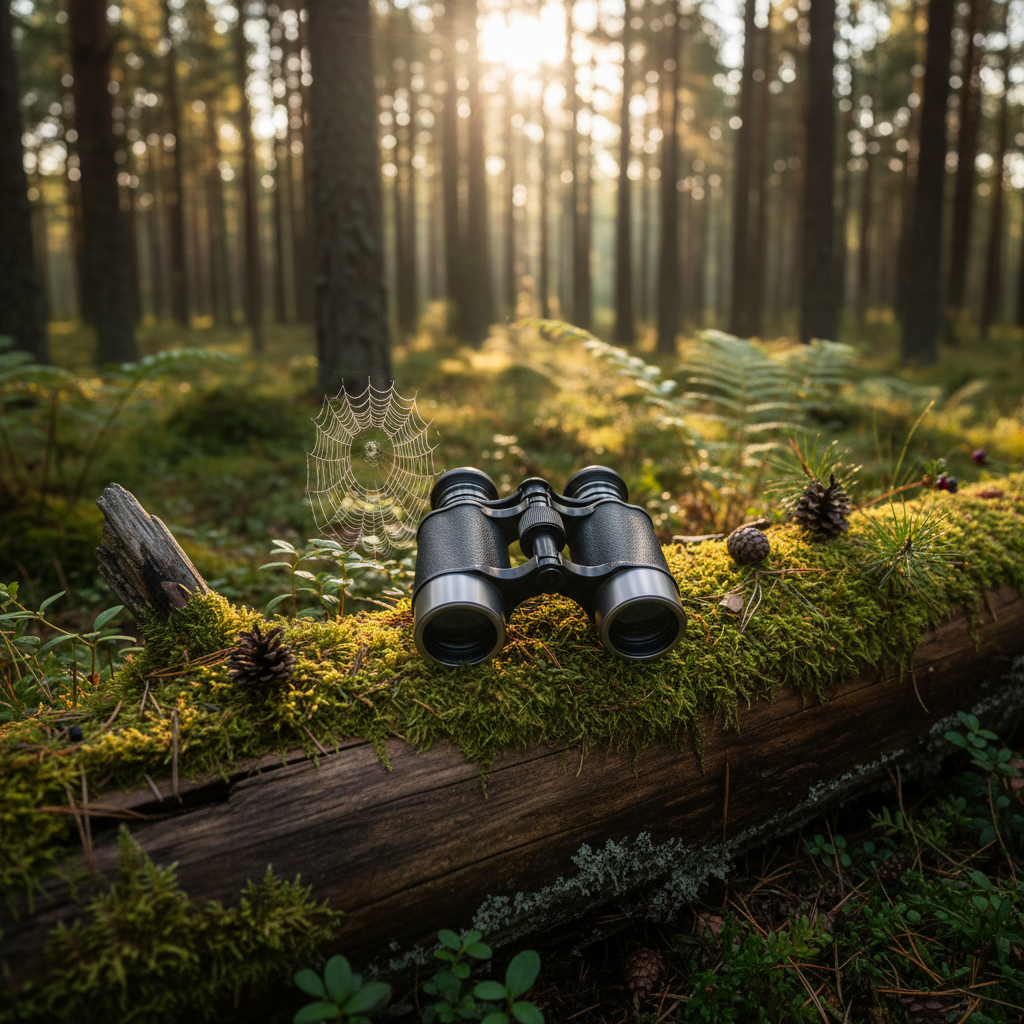
Estonia is home to hundreds of bird species, and learning to identify them presents an exciting challenge for the novice observer. Bird watching requires patience, good binoculars, and a quality field guide, but most importantly, the ability to notice plumage colour, bill shape, and behaviour. Estonia lies on a crucial migration route, which means the list of species found here varies significantly with the seasons.
EstoniaEstonian nature provides a home to hundreds of bird species, and bird watching has become one of the most popular nature hobbies across the country. The world of birds is rich, but for a beginner, distinguishing between species can seem like a daunting challenge-birds are mobile, shy, and often confusingly similar to one another.
The Right Tools and Observation Ethics
Bird watching does not necessarily require expensive equipment, but some basic tools make the experience considerably more enjoyable. Good binoculars with 8x or 10x magnification allow you to see details that are simply invisible to the naked eye. A quality field guide, whether a printed book or mobile app, should contain clear photos and descriptions.
Patience is the most important factor when observing. The best way to see birds is to find a quiet place, sit still, and wait for the surrounding nature to come alive again. Over time, the observer learns to notice increasingly subtle details: bill shape, wing patterns, plumage colour nuances, and the bird's movement style.
Estonian Birds Through the Seasons
Estonia lies on an important migration route, which means the list of bird species found here changes significantly with the seasons. In spring and autumn, thousands of migratory birds pass through Estonia, stopping over in coastal areas and inland water bodies to feed. In summer, many species breed here locally, offering a wonderful opportunity to observe nesting habits and the rearing of chicks.
Spring is the most active and vocal season for birds, with territory establishment and mating bringing forth the trilling of song thrushes, blackcaps, and redbreasts. Autumn migration brings northern visitors, while in winter, cold-hardy species like great tits, blue tits, nuthatches, and various woodpeckers remain in Estonia. Winter feeding in home gardens is an excellent way to observe bullfinches or long-tailed tits more closely.
How to Identify Birds
Bird identification relies on multiple features at once. First, it is worth assessing size and proportions-is the bird larger or smaller than a sparrow, round and stocky or slender with a long tail? Plumage colour and pattern often provide key information: wing stripes, breast markings, head colour, and undertail coverts can be decisive when distinguishing between similar species.
Bill shape reveals feeding habits: a thick conical bill suggests a seed-eater like a finch, while a thin pointed bill indicates an insectivore. Flight style is also characteristic-some birds fly in an undulating pattern, others in a straight line, and still others glide with wings held steady. Additionally, pay attention to where the bird is active: high in tree canopies, on trunks, on the ground, or over water bodies.
Common Species in Estonia
Novice observers should start with the most common species. The Great Tit is easily recognized by its yellow belly and black breast stripe, plus its glossy black head and white cheeks; it is found in parks, forests, and urban gardens. The Blackbird is distinguished by the male's all-black plumage and bright yellow bill; the female has more modest brown plumage. The blackbird is renowned for its beautiful, melancholic song, often performed in twilight.
The Great Spotted Woodpecker is easily identified by its striking black and white plumage and red undertail coverts. The rhythmic tapping sound in the forest is its most reliable identifying feature. The woodpecker is an important part of the ecosystem, as the cavities it creates are later used by many other species for nesting.
Technology in Bird Watching
Modern technology offers observers numerous aids. Mobile apps that identify birds by song or photo are good learning tools, but observation with your own eyes and use of a field guide develop bird knowledge most effectively. The Estonian Ornithological Society's website and international observation portals allow you to enter your sightings, helping scientists monitor the status of bird populations. Webcams broadcasting live feeds from nests offer a unique opportunity to witness the most intimate moments of bird life without disturbing the birds.
It is important to remember that every observation is valuable. Even if you learn to identify just ten local species, you have taken a big step towards greater natural literacy. Bird watching is an endless voyage of discovery that brings something new each time.
Open in app →