The Soviet Union concealed the 1982 Luzhniki Stadium football tragedy for years
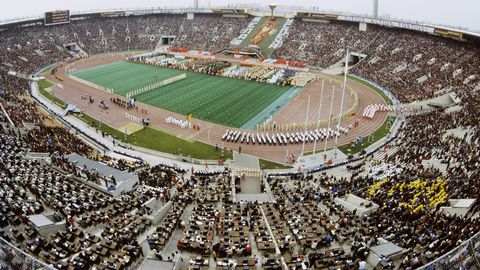
The men's football World Cup that began this week recalls one of the most tragic stadium disasters in history. The 1982 incident at Moscow's Luzhniki Stadium, when Spartak Moscow met Dutch club Haarlem in a UEFA Cup tie, was concealed by Soviet authorities for years. A single goal proved fatal-the player who scored it, Sergei Shvetsov, later admitted he wished he had never scored it.
SportThe men's football World Cup, which brought millions of fans to stadiums around the world this June, reminds us not only of the joy of sport but also of one of history's most painful memories-the Moscow Luzhniki Stadium disaster that occurred in 1982 and was hidden from the world by the Soviet Union for years.
A cold October night in Moscow
On 20 October 1982, the temperature in Moscow dropped to minus ten degrees Celsius. The stadium then named after Lenin, today known as the Luzhniki, was covered in a thin layer of ice. Despite the UEFA Cup match between Spartak Moscow and the Dutch club Haarlem, poor weather meant only about 16,000 spectators came to the vast arena that could hold over 100,000 people, appearing almost empty in the enormous stadium.
The match itself was uneventful. The main activity in the crowd was limited to stamping feet and breathing into gloved hands as they waited for Spartak to win. But it was precisely this quiet, routine character of the evening that made it one of the most tragic.
The fatal goal
Spartak Moscow striker Sergei Shvetsov scored in the final minutes of the match, securing Spartak's victory. The goal created euphoria in the stands, and the player who scored it later admitted: "Sometimes I wish I had never scored that goal."
The shot unleashed a dangerous situation: spectators who had already begun to leave turned back at the joyful news. On the frozen steps, dangerous opposing crowds formed, ending in a catastrophic crush disaster in which dozens of people were killed.
Soviet concealment
The Soviet Union treated what happened in the same way it did other events uncomfortable for the regime-the tragedy was kept hidden from the public for a long time. The official media covered the incident minimally and in distorted form. The actual death toll and details of the events only became known to the wider world years later, as Soviet censorship began to ease.
The Luzhniki tragedy remains one of the most severe disasters in football history, which international sports historians continue to recall today, especially before major football tournaments, when the issue of stadium safety is raised again.
Open in app →