Three years on: Wagner veterans recall the march on Moscow that shook Russia
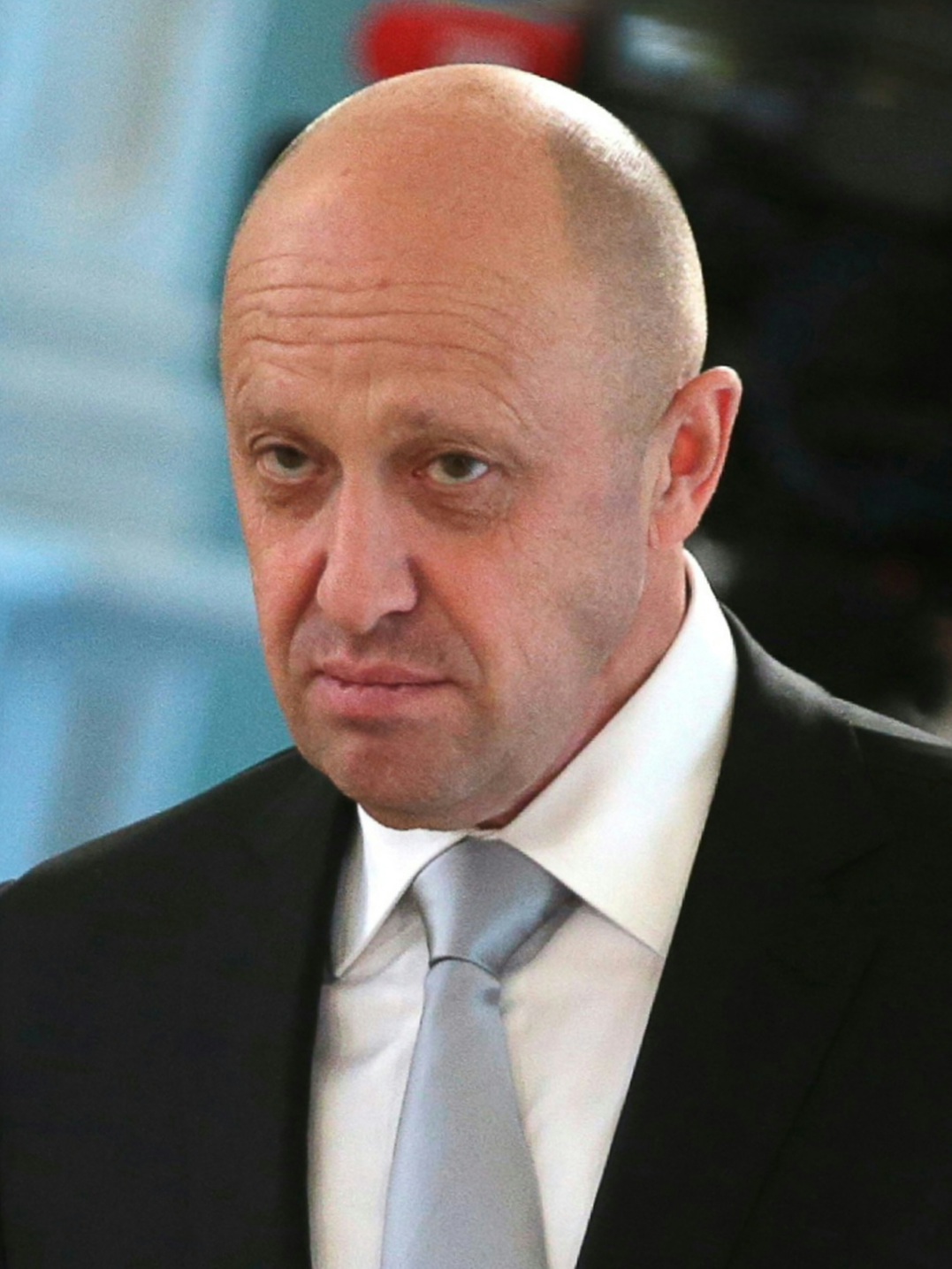
Three years after Yevgeny Prigozhin launched his short-lived "March of Justice" on June 23, 2023, former Wagner mercenaries remain deeply divided over what the revolt meant. Some still believe they were fighting for justice against a corrupt military leadership, while others call it a betrayal. Prigozhin himself died two months later when his plane crashed in Russia's Tver region.
PoliticsThree years ago, on June 23, 2023, one of the most dramatic episodes in modern Russian history unfolded: Yevgeny Prigozhin, the founder of the Wagner private military company, launched what he called a "March of Justice", an armed column of roughly 25,000 men that rolled from the front lines toward Moscow. The revolt lasted a single day before stopping approximately 300 kilometres from the capital and turning back. Meduza has now spoken with several former Wagner fighters, both those who marched and those who did not, about what they experienced and where their lives have led since.
The roots of the revolt
The march grew out of a bitter feud between Prigozhin and then-Defence Minister Sergei Shoigu. Prigozhin accused Shoigu of withholding ammunition from Wagner's fighters, who he said were bearing the heaviest combat burden at the front, particularly in the grinding battle for Bakhmut in eastern Ukraine. For many fighters, the march felt less like a coup and more like a desperate plea for basic military support.
«He'd been promised shells for Bakhmut, but far fewer arrived. Prigozhin saw he was being deceived. His men were dying for nothing, with no support at all. Who wouldn't go nuts out there?» recalled one veteran who served in Wagner from May 2022 to July 2023 and took part in eight assaults in Bakhmut.
"We're not mutineers"
Several of the former fighters interviewed pushed back hard against the label of mutineers. One former KamAZ truck driver who joined Wagner at age 47 described marching into Rostov-on-Don and being greeted warmly by local residents. He said neither police, National Guard, nor FSB special forces fired on the column.
«We're not mutineers, and we didn't betray anybody; we weren't trying to overthrow the president. We support the president, we just wanted to figure out why the ammo deliveries were being held up,» he told Meduza.
He described Prigozhin as a hands-on leader who would eat in the mess hall alongside ordinary soldiers and respond immediately to their requests, including, on one occasion, sending half a truck of onions and garlic after fighters mentioned they had run out.
Divided memories of a single day
Not all veterans share this sympathetic view. One fighter who was hospitalised with a leg wound at the time of the march said he watched events unfold on Telegram with horror. «It was a stupid thing to do. What were we even marching for? So Prigozhin could carry out his plans using the boys? That's not a combat mission, marching into your own country against your own government is an act of terrorism,» he said.
Another veteran, recruited from a prison colony where he was serving a 24-year sentence, expressed the bitterest disappointment, not with the march itself, but with its abrupt end and the backroom deal brokered by Belarusian President Alexander Lukashenko that halted the column. His criminal record was never cleared, Wagner veterans are reportedly turned down for jobs, and he has been unable to claim combat pay or injury compensation from the Defence Ministry, which told him: «You're not in our system.»
The aftermath
After the march was called off, Wagner fighters were given three choices: sign contracts with the Russian Defence Ministry, relocate to Belarus, or return home. Most eventually went home. The company stopped operating as an independent organisation. On August 23, 2023, exactly two months after the march, Prigozhin was killed when his private plane crashed in the Tver region under circumstances that most former fighters refuse to accept as accidental.
«I never bought this whole show from the start,» said the former truck driver. «The commanders never rode in the same car or flew on the same plane.» Another veteran offered a more fatalistic assessment: «You can't have two tsars. In the eyes of someone like [Valery] Gerasimov, men like Prigozhin discredit the authorities because they expose their helplessness.»
Lives after Wagner
The veterans' post-war lives reflect the chaos the revolt unleashed on their personal futures. One opened a private security agency employing former Wagner fighters. Another returned to driving, slowly readjusting to civilian routine through time spent with his grandchildren. A third, wounded by an RPG in 2024 while serving with the regular Russian army on the Zaporizhzhia front, has repeatedly tried and failed to sign a new contract, turned away due to his injuries.
Nearly all expressed a powerful pull back toward the front, describing a psychological attachment to combat that made civilian life feel hollow. Yet most drew a firm line at service with the Defence Ministry, which multiple veterans described as reckless with soldiers' lives and prone to "suicidal" orders. «If Yevgeny Viktorovich turned up and built an army like Wagner again, I'd join up under his command without hesitation,» said one.
Three years on, the march on Moscow remains an event without consensus, not even among the men who lived it.
Open in app →