Tick bite in Estonia? Experts say ER visit usually unnecessary
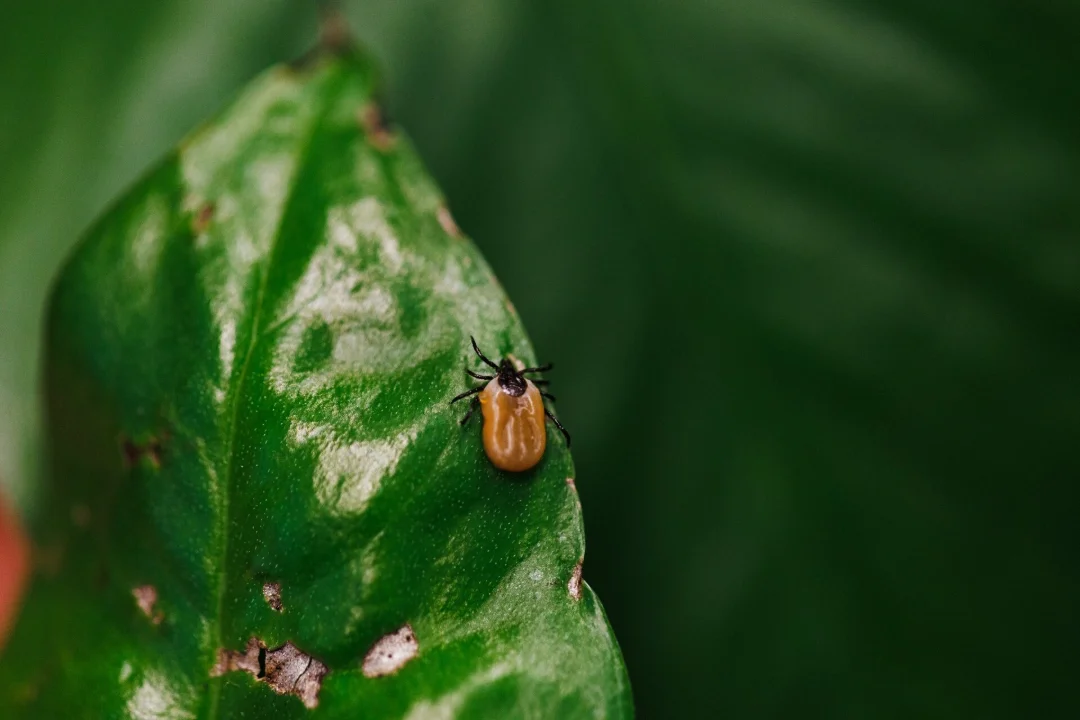
As tick season peaks across Estonia, health experts warn that most common tick-removal methods are dangerously wrong. A nursing chief from North Estonia Regional Hospital and a Südameapteek pharmacist outline how to handle tick bites safely, and when to seek medical help.
EstoniaAs warm weather returns to Estonia, so does tick season, and with it, a wave of outdated advice that experts say can do more harm than good. Ticks are no longer a hazard confined to forests and the countryside; they can be found in urban parks, home gardens, and even neatly mowed lawns across the country.
In Estonia, ticks are known to spread two serious diseases: tick-borne encephalitis and tick-borne borreliosis, better known as Lyme disease. Despite this, most people can handle a tick bite safely at home without rushing to an emergency room.
Common myths debunked
One of the most persistent myths is that you should apply oil, butter, fat, or alcohol to a tick before removing it. Natalja Dudkina, head nurse of the emergency medicine centre at North Estonia Regional Hospital, strongly advises against this: «If you suffocate the tick with grease or other substances, it can go into a stress state and secrete more saliva or stomach contents, which increases the risk of disease transmission.»
Another widespread misconception is that the tick must be rotated clockwise or counter-clockwise during removal. According to experts, ticks have no screw-like mechanism, so the direction of rotation is irrelevant. The tick should be grasped as close to the skin as possible and pulled out with a slow, steady motion, either straight or with a gentle twist.
Many people also fear that if the tick's head remains in the skin, infection is guaranteed. In reality, tick-borne encephalitis and Lyme disease are transmitted through saliva, not the mouthparts. If a small piece remains embedded, the body will typically push it out on its own, much like a splinter.
The right tools matter
Gregor Stan Sild, a pharmacist at Südameapteek, urges people to be prepared before the season gets underway. «People often come to the pharmacy after already trying to remove the tick with various household methods. It is worth keeping a proper tick-removal hook or fine-tipped tweezers at home so you have the right tool when you need it,» he says.
Equally important is what not to do: squeezing the tick's body with your fingers risks rupturing it, potentially forcing pathogens into the bloodstream.
When to see a doctor
A tick bite does not automatically require a visit to the emergency department. Hospitals across Estonia have repeatedly emphasised that tick removal is not an acute emergency and EMO resources should be reserved for serious, time-critical conditions.
However, medical attention is warranted if symptoms develop in the weeks following a bite, including fever, headache, muscle or joint pain, severe fatigue, light sensitivity, or an expanding red rash around the bite site. «Symptoms can appear only weeks after the bite, so monitoring your health is essential,» Dudkina stresses.
Prevention and vaccination
When moving through nature, wearing light-coloured clothing makes ticks easier to spot. Tucking trouser legs into socks and applying insect repellent provide additional protection. A full-body check after outdoor activity is essential.
The most effective defence against tick-borne encephalitis is vaccination. The standard course consists of three injections, the first two given one to three months apart, the third up to a year later. Immunity after two doses covers one season; the third dose extends protection significantly. Booster timing thereafter depends on age, with Estonia's immunoprophylaxis expert committee recommending revaccination every three, five, or ten years after the third dose.
No vaccine exists for Lyme disease, making prompt tick removal the key preventive measure. Rapid test kits for borreliosis are available at pharmacies across Estonia, though experts caution that testing too soon, within one to two weeks of exposure, often yields a false negative, as the immune system has not yet produced detectable antibodies.
Despite ticks being an unavoidable part of the Estonian summer, there is no need to alter daily routines or avoid the outdoors. Awareness, the right tools, and timely action are all that is needed to enjoy the season safely.
Open in app →