Tiiu Ritari: From 1 July, rural residents will be allowed to farm less land than during the Soviet era
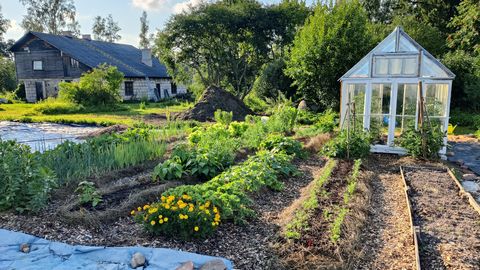
Opinion writer Tiiu Ritari draws attention to a paradoxical situation: from 1 July 2026, rural residents may farm only 0.5 hectares of land, which is 10 hundredths less than was permitted during the Soviet period. Ritari sees this as a threat to the foundations of Estonian identity and the future of rural life.
OpinionOpinion writer Tiiu Ritari raises a sharp question: how has it come to pass that in a free Estonian state, a rural person's right to farm their own land is more restricted than during the Soviet era?
Ritari draws a comparison, noting that during the Soviet period, a state farm worker in Võru County was permitted to farm up to 0.6 hectares, or 60 hundredths of land, and maintain a household subsidiary farm. Starting from 1 July 2026, a regulation that comes into force will limit the same activity to 0.5 hectares, or exactly 10 hundredths less than during the socialist era.
"This is not simply a tedious regulation, but a curtailing of the foundations of Estonian identity," writes Ritari, pointing out that rural life and culture are an inseparable part of Estonian identity. In her view, this is not merely bureaucratic red tape, but a direct blow to the way of life and traditions of rural people.
The opinion writer makes no attempt to hide her bewilderment: the new restriction means that a citizen of the republic is given less freedom to grow vegetables next to their home than was the case under Soviet system conditions. Ritari emphasises that this paradox should be a wake-up call for everyone who cares about both the preservation of rural life and the values-based identity of the Estonian state.
Open in app →