Tinder and Zoom Deploy Iris Scanning to Stop Fake Accounts
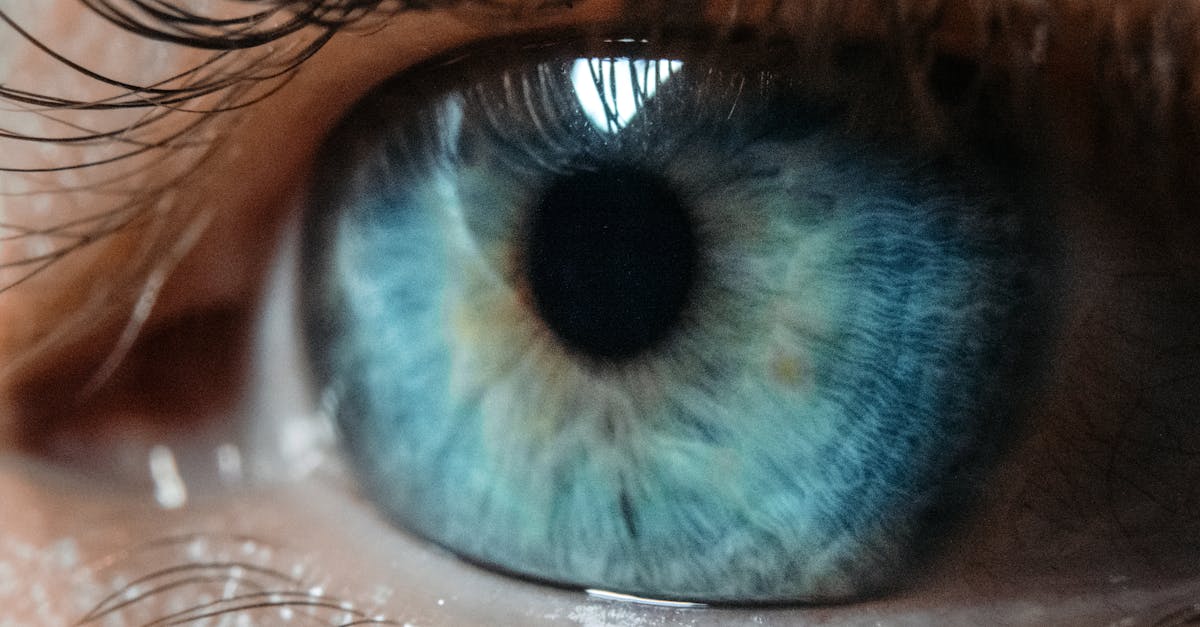
Tinder and Zoom are implementing biometric iris-scanning technology to verify user authenticity and combat artificial intelligence-driven fraud. The new 'proof of humanity' system aims to reduce fake accounts, scams, and malicious bot activity on both platforms.
TechnologyDating app Tinder and video conferencing platform Zoom are rolling out advanced biometric verification features designed to combat the growing threat of AI-generated fake accounts and fraudulent activity. The companies have introduced iris-scanning technology that authenticates users by analyzing unique patterns in their eyes, creating a digital 'proof of humanity' system that distinguishes real people from automated bots or AI-controlled fraudsters.
The iris-scanning mechanism works by capturing detailed images of a user's eye structure and comparing it against their stored biometric data. Each person's iris is virtually unique, making it significantly more difficult for bad actors to create convincing fake accounts or bypass security measures. This approach addresses a critical vulnerability that both platforms have faced: the proliferation of artificial accounts used for catfishing, financial scams, harassment, and other malicious purposes.
For Tinder, the technology targets romance scams that have cost victims millions of dollars globally, where criminals create fake profiles using stolen photos or AI-generated images to build relationships before requesting money. Zoom faces different but equally serious challenges, including unauthorized account access and security breaches during video meetings. By requiring iris verification, both companies hope to create friction that deters automated attacks while remaining relatively quick for legitimate users.
The implementation reflects a broader industry shift toward biometric security as companies grapple with increasingly sophisticated AI threats. While iris scanning offers strong security benefits, privacy advocates have raised concerns about storing sensitive biometric data. Both Tinder and Zoom have indicated that iris data is encrypted and handled according to privacy regulations, though users must still consent to the technology to access certain features.
The rollout comes as artificial intelligence tools have become more accessible for creating convincing fake identities, making traditional security measures like password verification insufficient. Tech companies across social media, dating, and communication platforms are racing to deploy similar biometric solutions to protect users and maintain platform integrity.
Open in app →