Trump Highlights Presidential War Powers Compliance Record
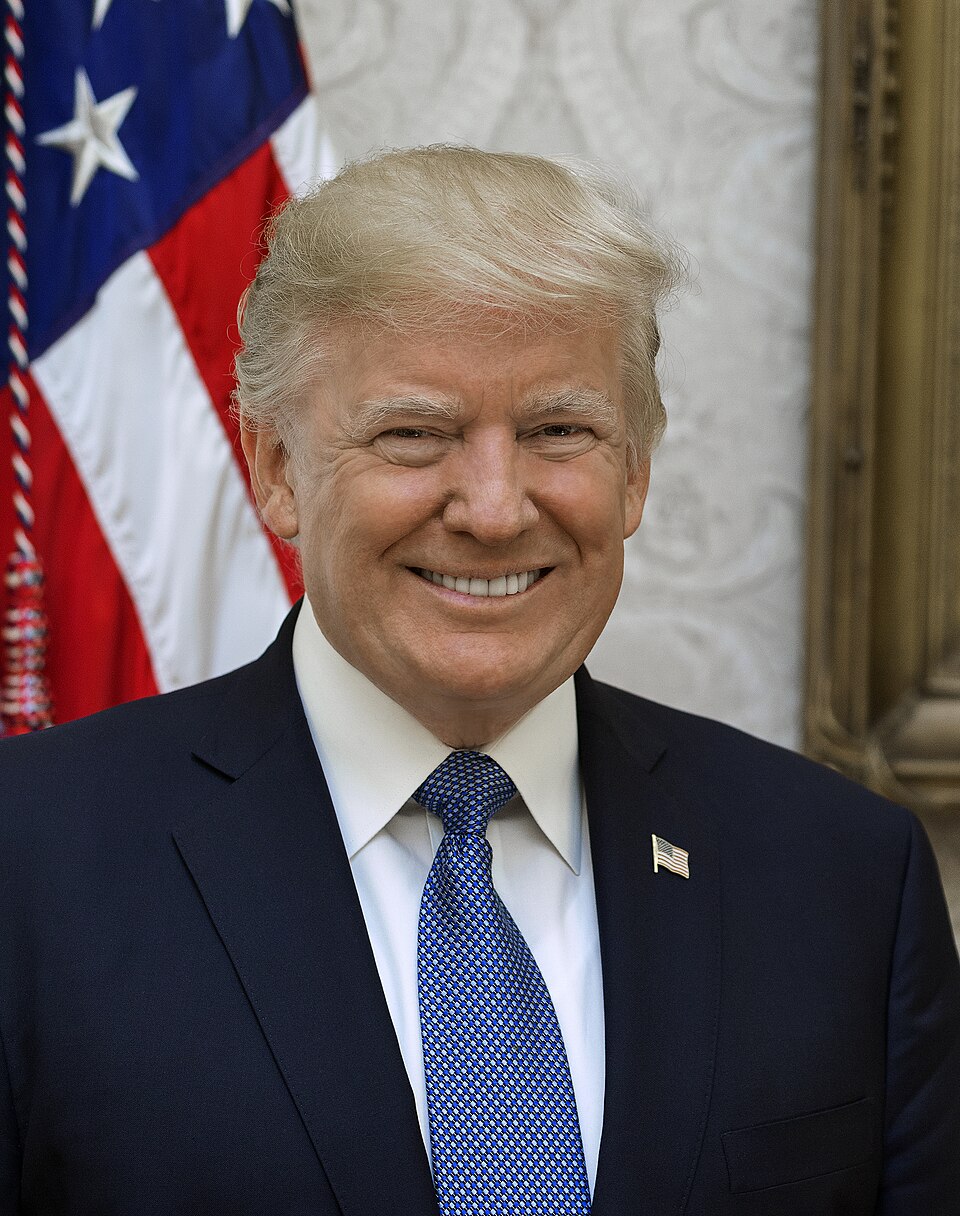
Former US President Donald Trump has drawn attention to inconsistent adherence to the War Powers Resolution among recent American presidents. While presidents George H.W. Bush, George W. Bush, and Ronald Reagan obtained congressional authorization for military actions, Presidents Bill Clinton and Barack Obama proceeded with military operations without formal congressional approval.
PoliticsDonald Trump has raised questions about the consistency with which recent US presidents have followed the War Powers Resolution, a 1973 law requiring presidents to notify Congress within 48 hours of committing armed forces and obtain authorization within 60 days. Trump's observation highlights a pattern of variable compliance across different administrations over the past four decades.
The Reagan administration, along with both Bush presidencies, pursued formal congressional authorization before engaging in major military operations. Ronald Reagan sought and received congressional backing for significant military actions during his tenure. Similarly, George H.W. Bush obtained authorization for the 1991 Gulf War, and George W. Bush secured congressional approval before the 2003 invasion of Iraq.
In contrast, the Clinton and Obama administrations took different approaches to military interventions. Bill Clinton's administration conducted military operations including the 1998 cruise missile strikes on Sudan and Afghanistan, as well as the 1999 NATO bombing campaign in Kosovo, without obtaining explicit congressional authorization. Barack Obama's administration similarly proceeded with military actions in Libya in 2011 and against ISIS in Iraq and Syria without seeking advance congressional approval, citing constitutional authority as commander-in-chief.
This pattern demonstrates a decades-long tension between executive power and legislative oversight in American military decision-making. The inconsistency reflects broader constitutional debates about the separation of powers and the proper balance between presidential authority and congressional responsibility in matters of war and national security. Legal scholars continue to debate the constitutionality of these various approaches and their implications for American democratic governance.
Open in app →