Trump loses his last European allies over Iran war, including Meloni and Merz
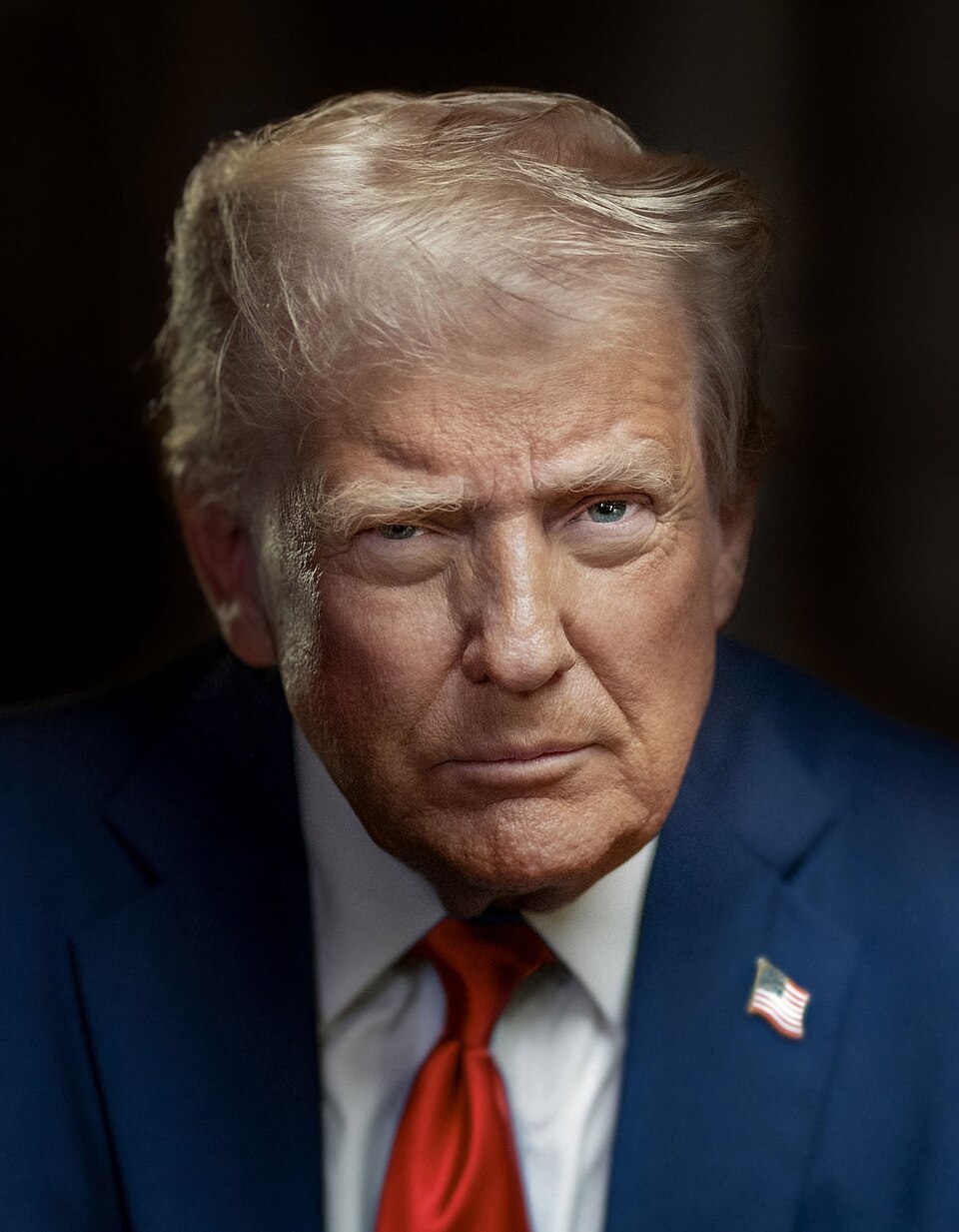
The US-Israel war against Iran has shattered Donald Trump's remaining relationships with European leaders. Italy's Giorgia Meloni, Germany's Friedrich Merz, and even far-right parties like France's National Rally and Germany's AfD have distanced themselves from the US president. Domestic political pressures and public opinion turning sharply against Trump are driving European leaders to recalibrate their positions.
PoliticsThe US-led war against Iran has triggered a dramatic diplomatic realignment in Europe, costing Donald Trump his last remaining allies on the continent, including those who had once been his most enthusiastic supporters.
Meloni and Trump: From allies to rivals
Just over a year ago, Italian Prime Minister Giorgia Meloni was widely regarded as Trump's closest European partner. She attended his January 2025 inauguration, called the US relationship «the most important relationship we have», and served as an informal transatlantic mediator when tensions between Washington and Brussels escalated over tariff threats. Trump in turn praised her as a «fantastic» woman who had «taken Europe by storm» and declared Italy «the best US ally in Europe, as long as Meloni stays premier».
Their ties dated back even further. In September 2018, Meloni hosted Trump adviser Steve Bannon in Rome at her Brothers of Italy party's annual event, and she was proud to be the sole Italian guest at the CPAC conservative conference in the US the following year.
The relationship began to unravel when Italy refused to join the US military campaign against Iran. At the G7 summit in Évian-les-Bains, France, on June 17, the two leaders appeared to have patched things up, but two days later Trump publicly claimed Meloni had «begged» him for a photo and that he agreed out of «pity». Meloni fired back that it was all «Trump's invention», told him to mind his own business, and emphasised that neither she nor Italy ever «begs» anyone.
The spat continued on social media. Trump accused Meloni of refusing to help the US in its war against Iran and then wanting friendship again «to improve her ratings» after «the US demolished Iran». Meloni replied that her popularity depended on defending Italy's national interests, not on Trump.
Europe's right turns against Washington
Meloni's evolution mirrors a broader trend among Europe's right-wing parties. France's National Rally, once enthusiastic Trump supporters, grew sceptical of his Greenland ambitions over the winter. By April, former party leader Marine Le Pen was advising colleagues to «keep their distance» from Trump. A party ally told Politico: «We like our friends in Washington, but we don't want them telling us what to do.» The party now views Trump as an obstacle to its «de-demonisation» strategy aimed at attracting moderate voters.
Germany's Alternative für Deutschland has undergone a similar shift. Party co-leader Tino Chrupalla, who attended Trump's inauguration and spoke of «optimism and hope», now says Trump has transformed from «a president of peace» into «a president of war» following the Iran campaign.
Merz breaks with Trump
Even German Chancellor Friedrich Merz, who worked hard to cultivate goodwill with the White House, including sitting through Trump's June 2025 jibe that the D-Day landings «were not a pleasant day for you Germans», has moved to distance himself from Washington.
In mid-March, Merz declared that NATO is «a defensive alliance and must not be involved in military interventions», and ruled out deploying the German navy to escort tankers through the Strait of Hormuz. In late April he went further, saying that Iran had proved stronger than expected and had «humiliated» the United States.
Trump's response was swift. «The Chancellor of Germany should spend more time ending the Russia-Ukraine war (in which he is totally ineffective!) and fixing his crisis-ridden country… and less time interfering with those who are eliminating the nuclear threat from Iran and making the world, including Germany, safer!», the US president posted online.
Domestic pressures force the break
The reasons pushing European leaders away from Trump are deeply domestic. In Italy, fuel prices surged 10-15% the day after the Iran war began, forcing the government to temporarily cut petrol and diesel taxes. Gas and electricity bills in March were 19.2% and 8.1% higher than in February respectively, and inflation rose from 1.5% to 1.7% annually. Italy's GDP growth is forecast by the OECD at just 0.4% this year, down from 0.8% in 2024, a serious concern ahead of parliamentary elections next year.
Public opinion has also turned sharply. A YouTrend survey found that by April 2026, 79% of Italians held a negative view of Trump, up from two-thirds a year earlier, with the figure reaching 76% even among right-wing voters. In Germany, 79% viewed Trump negatively in April and 58% considered the bombing of Iran unjustified.
Meloni continues her characteristic balancing act, maintaining that despite the public spat, bilateral relations between Rome and Washington «are developing well at both institutional and economic levels». A June poll by Demopolis showed her approval rating actually ticked up from 38% to 40% over the past month, suggesting the strategy of pushing back on Trump without fully breaking with him may be working.
For Merz, the calculation is equally pragmatic. His own disapproval rating stands at 76% in Germany, making alignment with an unpopular Trump a political liability he cannot afford.
Open in app →