Trump praises Zelensky as "courageous" while Moscow grows increasingly irritated
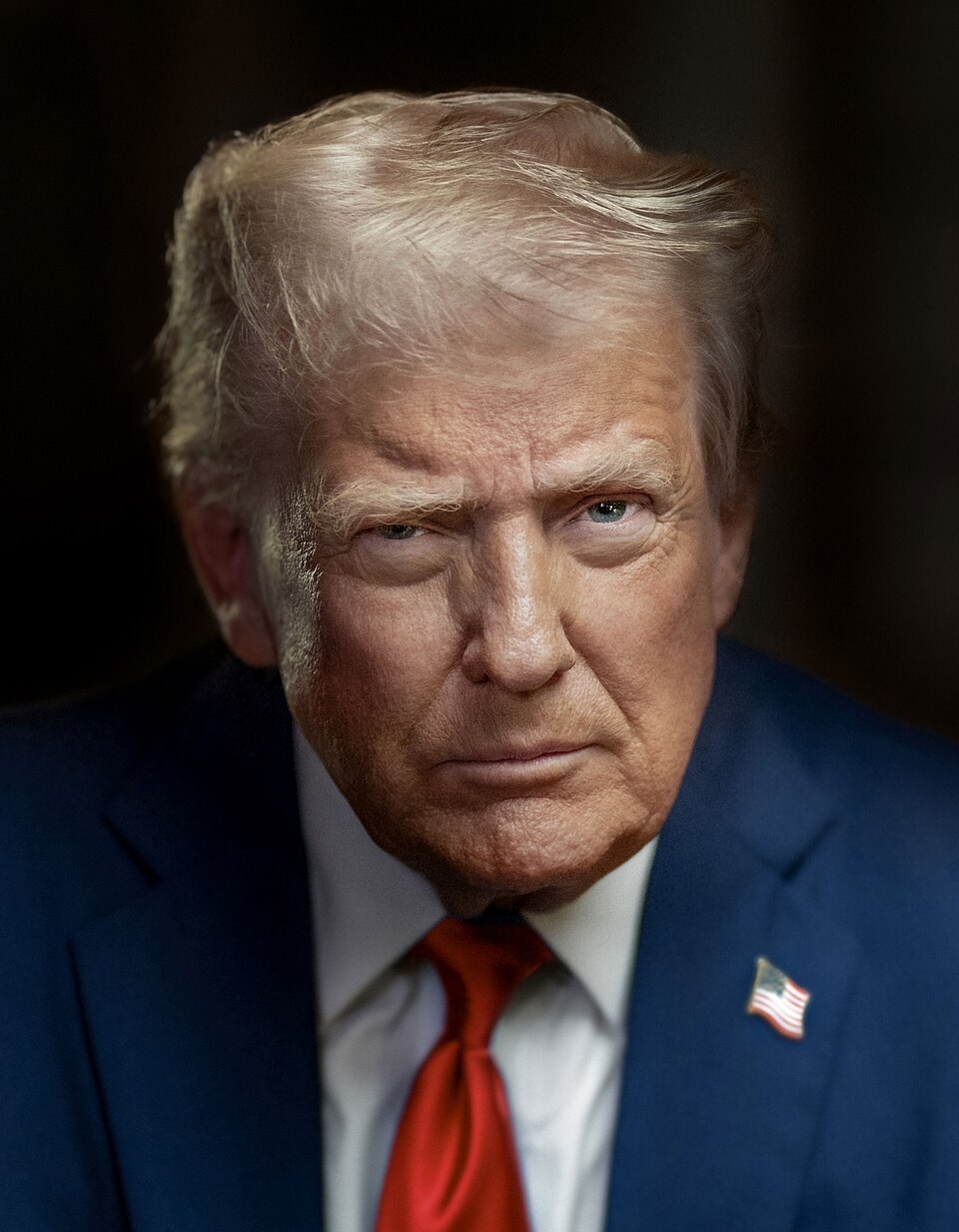
During a White House meeting with NATO Secretary General Mark Rutte on June 24, US President Donald Trump publicly praised Ukrainian President Volodymyr Zelensky, calling him a brave man who "is doing well" in the war. The shift in Trump's stance, which became visible after the G7 summit in Évian, France, is reportedly causing "growing irritation" in Moscow, with Russian Foreign Minister Sergei Lavrov openly questioning what the White House actually agreed to at the summit.
PoliticsDuring a White House meeting with NATO Secretary General Mark Rutte on June 24, US President Donald Trump publicly shifted his tone on Ukraine, offering an unusually warm assessment of President Volodymyr Zelensky.
Trump's Praise for Zelensky
When Sky News correspondent Mark Stone asked Trump whether he considered Zelensky to be winning the war, Trump responded: «He's doing well, however you look at it. At least he's not giving up. A lot of people are dying on both sides, but I think he's doing well. Listen, you have to admit he's a courageous man. He has great weapons, but also great people, real fighters.»
The statement marks a notable change from Trump's earlier, more distanced rhetoric toward Kyiv. Observers say the first visible signs of this shift emerged after the G7 summit held in the French town of Évian from June 15 to 17. French President Emmanuel Macron was among the first to describe Trump's new attitude, saying the US leader had demonstrated "a real change of approach" toward Ukraine.
Zelensky's Long-Range Strike Campaign
On the eve of Trump's comments, Zelensky delivered his nightly address, in which he assessed Ukraine's ongoing long-range strike campaign against Russian territory. He reported that fuel shortages caused by Ukrainian strikes on Russian oil refineries were now affecting more than 60 Russian regions. He also noted that Russian air defence systems were being concentrated around Moscow and Valdai, leaving other parts of the country increasingly exposed.
Zelensky also issued a direct appeal to Ukraine's partners: «Our operation, including in Crimea, is carefully calculated. And the way it continues absolutely proves: if what we discussed with partners within the G7 framework becomes available to Ukraine, and that depends on our partners' decision, we will swiftly create conditions under which Russia will be forced to choose peace.»
Pressure Behind the Scenes
According to sources cited by the Financial Times, Trump was «extraordinarily impressed and energised» by Ukraine's long-range strike campaign against deep targets inside Russia. The Kyiv Independent reported, citing a senior Ukrainian official, that Trump had privately encouraged Zelensky to act «more boldly» against Russia.
However, Foreign Policy noted that while the White House is gradually becoming more sympathetic toward Ukraine, Washington continues to avoid making tough public statements directed at Moscow. One European official, speaking anonymously, said they had asked the White House to publicly condemn a specific Russian action related to the war, a request the administration refused, fearing it could damage ongoing negotiations. A second European official independently confirmed that White House representatives had privately acknowledged their reluctance to criticise Russia in public.
Moscow's Irritation
The evolving US posture is generating visible tension in Moscow. Russian Foreign Minister Sergei Lavrov addressed the subject at an ambassadorial roundtable on June 23, making a pointed remark about Alaska talks that recently took place between the two sides: «I do not even want to suspect that Alaska, like the European track, was designed to buy time for further arming of the Kyiv regime. I do not even want to think about it, but in practice, things turned out the way they turned out.»
Lavrov also said Moscow was still trying to understand what had actually transpired at the Évian summit. «We want to understand what happened there in Évian. Because if you listen to Macron, then Alaska is buried, President Trump, the prodigal son or the prodigal father, has returned to the family and now they are all together,» he said, adding that the United States had not informed Russia about «what they took away from that summit» or what their «next course of action» would be.
Reuters noted that the White House's shifting stance was provoking «growing irritation» in the Kremlin. With the war now in its 1,583rd day, the diplomatic signals suggest the conflict's political landscape is shifting, even as fighting and casualties continue on both fronts.
Open in app →