Trump Ties Hormuz Strait Access to Iran Nuclear Deal
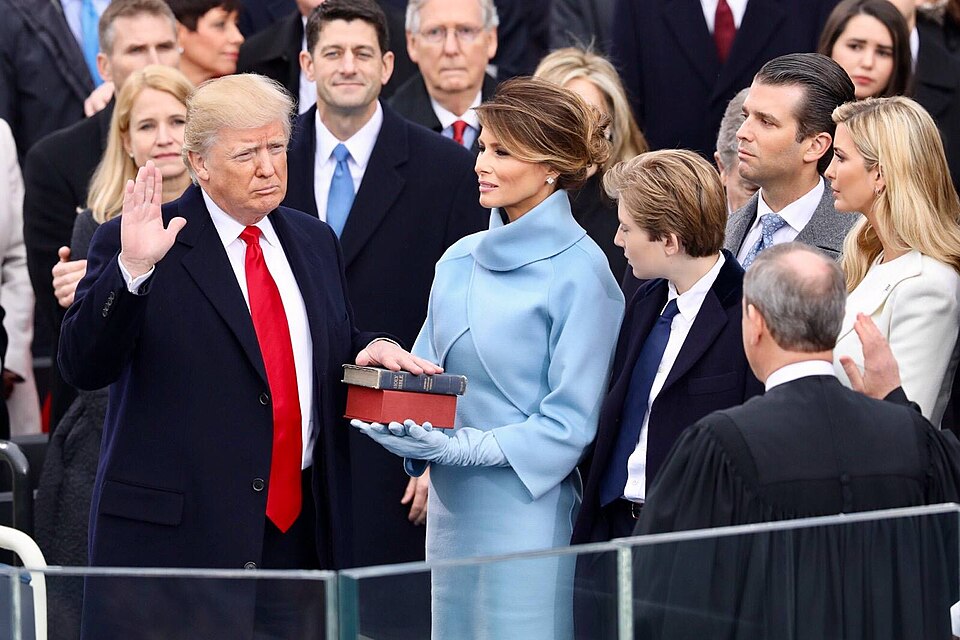
US President Donald Trump has stated that the United States will maintain pressure on Iran by not lifting a blockade of the Hormuz Strait until a comprehensive agreement is reached. The announcement comes as uncertainty surrounds Iran's participation in scheduled peace negotiations in Pakistan this week.
PoliticsPresident Trump used the occasion to signal a hardline stance toward Iran, declaring that economic pressure through the Hormuz Strait blockade will remain in effect as a negotiating tool. The strategic waterway, through which a significant portion of global oil shipping passes, has become a focal point in US-Iran tensions. Trump's position reflects Washington's broader strategy of maintaining maximum pressure on Tehran until it agrees to terms favorable to American interests.
The timing of Trump's statement adds complexity to ongoing diplomatic efforts in Pakistan. Peace talks scheduled for the coming week could represent a potential breakthrough in US-Iran relations, but Iran's confirmation of attendance remains uncertain. This uncertainty may be deliberately cultivated as part of negotiating tactics, with both sides assessing the other's commitment to dialogue.
The Hormuz Strait blockade represents one of the most significant economic leverage points available to the United States in its confrontation with Iran. Control over this critical passage directly impacts global energy markets and international trade, making Trump's decision to withhold relief from the blockade a powerful bargaining chip. Energy prices and shipping costs could fluctuate based on developments in these negotiations.
Analysts suggest that Trump's declarative approach may be designed to demonstrate resolve to domestic audiences while simultaneously pressuring Iran to make concessions at the negotiating table. The effectiveness of this strategy depends heavily on Iran's willingness to participate in talks and its assessment of the costs of continued economic isolation versus the benefits of reaching an accommodation with Washington.
Open in app →