Trump's China approach divides MAGA movement
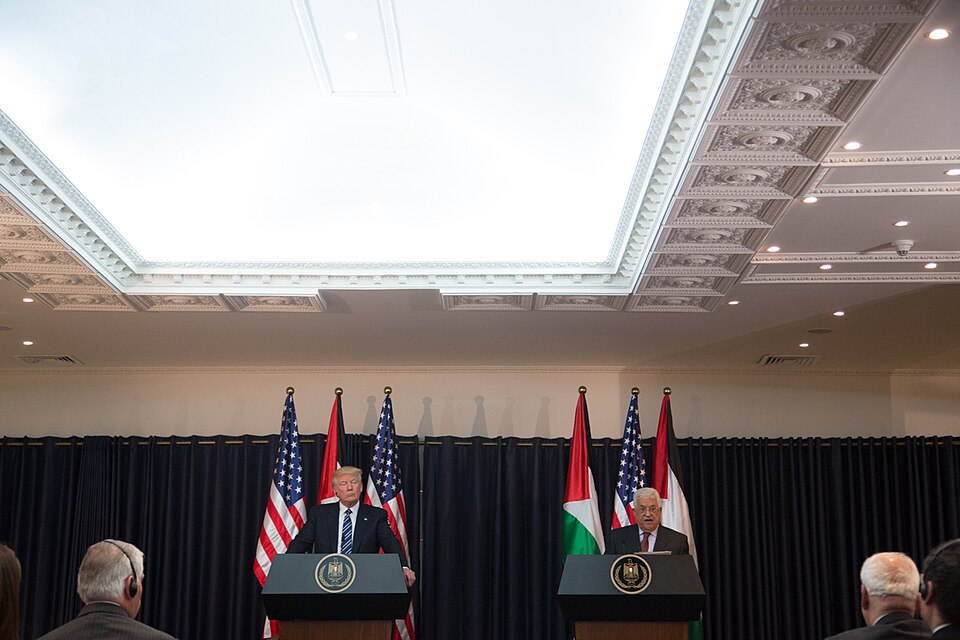
Donald Trump's diplomatic visit to Beijing and his softer stance toward China has prompted mixed reactions within the MAGA movement. Experts suggest Trump's evolving China policy may reshape how his political base views international relations with the world's second-largest economy.
OpinionDonald Trump's recent trip to Beijing and his increasingly moderate approach to China policy has sparked significant debate within the MAGA movement, traditionally known for its hawkish stance on Chinese trade and technology competition. The former U.S. president's diplomatic engagement with Chinese officials represents a notable shift from his earlier protectionist rhetoric, prompting both criticism and support among his political supporters.
Analysts observe that Trump's softer tone on China contrasts sharply with the hardline positions that characterized much of his first presidency and early campaign rhetoric. This pivot suggests a strategic recalibration of his approach to Beijing, one that appears to prioritize diplomatic engagement over the confrontational trade policies that defined earlier MAGA movement priorities. The shift has particularly surprised movement members who expected continued emphasis on China's alleged unfair trade practices and intellectual property theft.
Experts indicate that Trump's evolving China strategy will likely influence how the broader MAGA base approaches international economic competition and geopolitical strategy. As Trump's positions trickle down through his political movement, supporters face a choice between maintaining hardline China criticism or accepting their leader's diplomatic reorientation. This tension highlights ongoing debates within the movement about how to balance nationalist economic policies with pragmatic international engagement.
The reaction to Trump's Beijing visit underscores internal complexities within the MAGA movement regarding China policy. While some supporters view diplomatic outreach as a practical necessity for addressing complex trade relationships, others worry that softer rhetoric undermines the movement's core commitment to protecting American economic interests against perceived Chinese competition. These divergent perspectives suggest that Trump's China approach may reshape political discourse on the issue for years to come.
Open in app →