Trump's Final Days: Economic Performance Key to Legacy
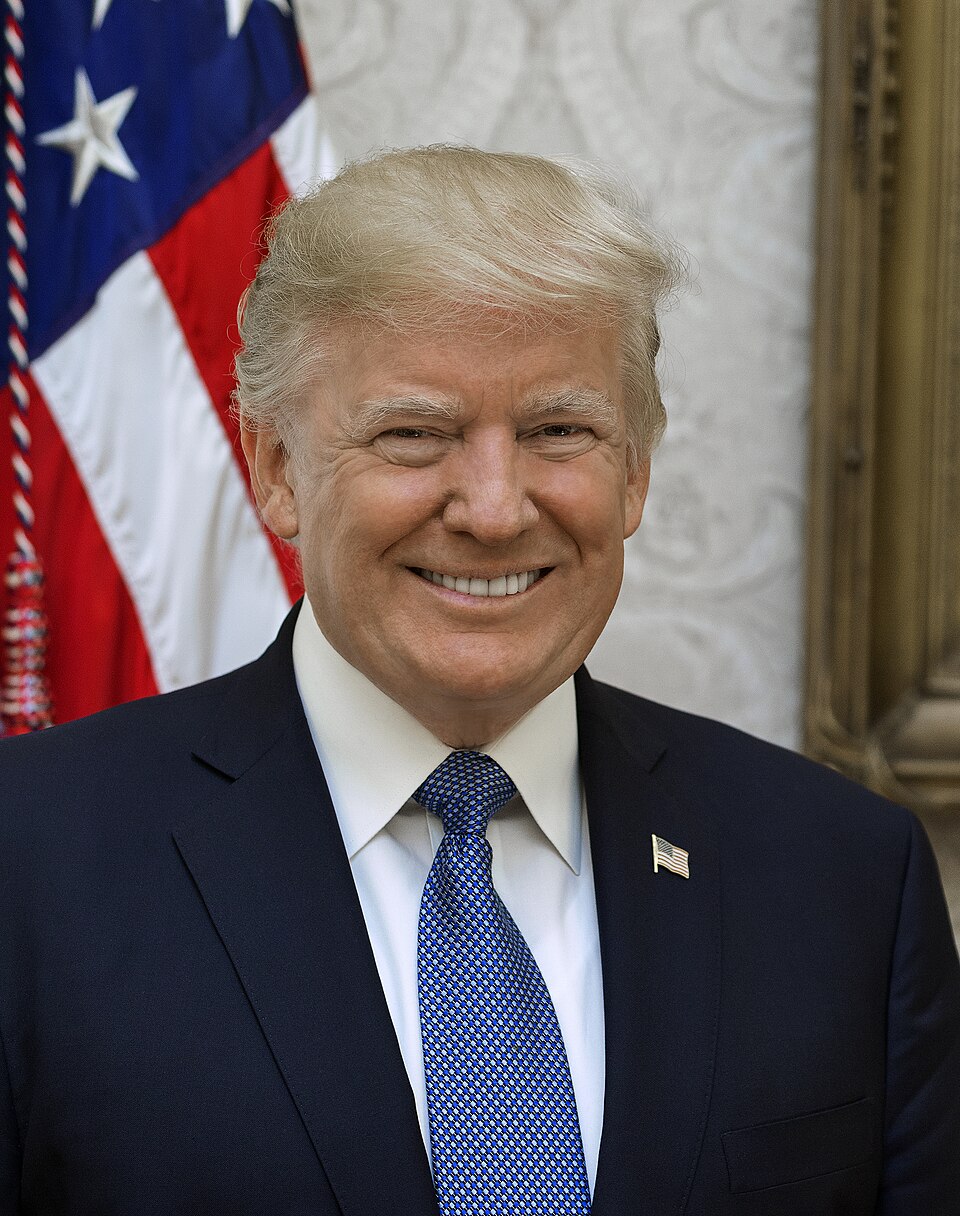
As Donald Trump's presidency winds down, economists and voters are evaluating the economic conditions that will define his tenure. The state of the economy, particularly cost of living pressures, will likely play a crucial role in how Americans judge his overall performance in office.
OpinionThe remaining weeks of Donald Trump's presidency will be shaped significantly by economic factors that extend far beyond his direct control. Voters across the United States are increasingly focused on their personal financial situations, making inflation, employment, and purchasing power central issues in political evaluations. Trump's ability to claim success or failure will hinge heavily on these bread-and-butter economic indicators that affect household budgets daily.
Cost of living has emerged as one of the most pressing concerns for American households in recent years. Whether voters perceive the economy as improving or deteriorating will likely influence how Trump's tenure is remembered. The gap between official economic statistics and citizens' lived experiences often determines public sentiment, meaning that raw employment numbers or GDP figures may matter less than whether ordinary families feel their dollars stretch further or less far than before.
Trump's legacy will ultimately be judged not just by policy announcements or legislative accomplishments, but by tangible economic outcomes that voters experience directly. As his time in office concludes, the economic narrative becomes increasingly fixed in the public mind. The administration's final economic reports and the broader trajectory of inflation, wages, and consumer confidence will serve as the primary lens through which Americans evaluate his presidency's overall success.
The intersection of politics and economics has rarely been more apparent than in current assessments of Trump's record. Campaign promises about economic transformation will be weighed against actual results experienced by workers, families, and business owners. In the final analysis, voters will make their judgments based primarily on whether their economic circumstances improved, stagnated, or declined during his tenure, regardless of external factors or explanations offered by the administration.
Open in app →