Tunne Kelam: What did Trump actually achieve with the Iran deal?
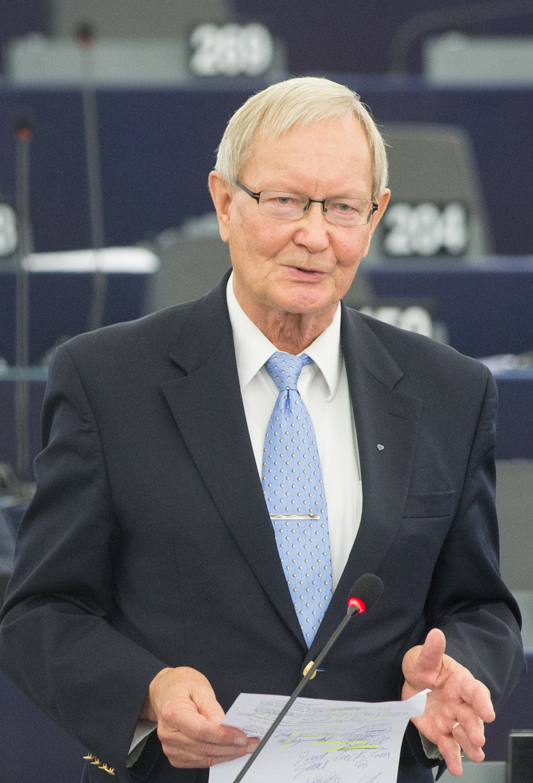
Former European Parliament member Tunne Kelam analyses the US-Iran memorandum of understanding signed on 18 June and questions its actual value. While the end of a 110-day conflict brought relief to the world, Kelam argues that the agreement resembles rather a teenager's understanding of diplomacy than a serious international accord.
OpinionTunne Kelam, former European Parliament member and Isamaa politician, presents a sharp assessment of the Iran deal brokered by US President Donald Trump, which was concluded on 18 June 2026.
The signing of the memorandum initially brought relief to the world, a 110-day military standoff between the US and Iran came to an end, and hope for normalisation of the situation in the region grew. Fossil fuel shipments through the Persian Gulf, which had been disrupted during the conflict, were expected to resume, and international trade to stabilise.
Agreement or illusion?
But according to Kelam, the relief that comes with this deal should not last long. He compares Trump's approach to diplomacy with a teenager's understanding of interacting with international partners, an engaging performance, but without substantive depth.
A memorandum of understanding is by its nature a weaker instrument than a full-fledged treaty; it sets out intentions but does not create the same binding obligations or provide clear mechanisms for violations. Critics have already pointed out that the Trump administration's negotiating style prefers quick public relations victories over thorough and lasting diplomatic solutions.
What was actually achieved?
Kelam's analysis raises the question of whether the 110-day military standoff and the memorandum that ended it will bring real change to the Middle East security situation, or whether it simply represents a temporary freezing of the situation.
For regional stability in the Middle East, energy supply security and international trade, a ceasefire is in itself welcome. The question, however, is whether the agreement can hold when the fundamental interests of the US and Iran, Iran's nuclear programme, regional influence, sanctions, remain unresolved.
--
Open in app →