Tupac Shakur's Family Pursues Legal Action Over 1994 Death
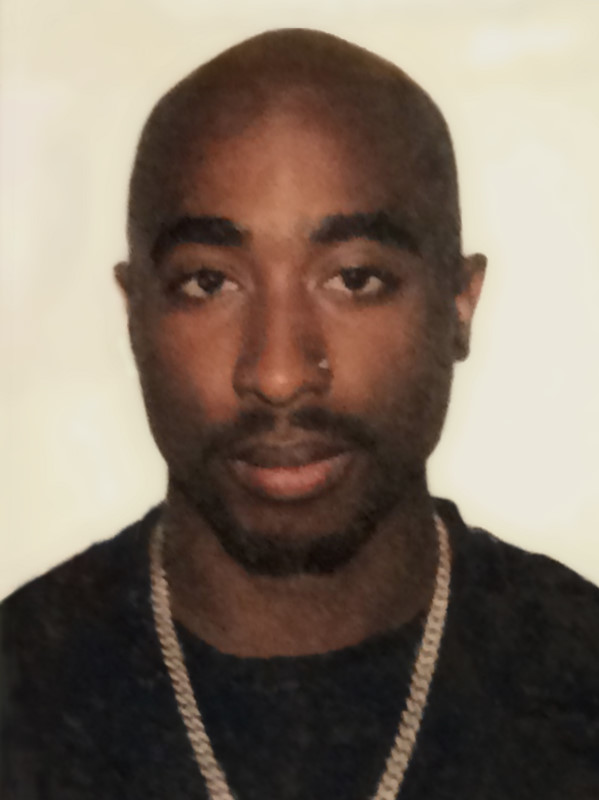
The family of rapper Tupac Shakur has filed a wrongful death lawsuit in Los Angeles, seeking to identify alleged co-conspirators involved in the artist's fatal shooting in 1994. The legal action aims to uncover details about individuals who may have played a role in the unsolved murder case that has remained controversial for three decades.
EconomyNearly three decades after his death, the family of hip-hop icon Tupac Shakur has taken legal action by filing a wrongful death lawsuit in Los Angeles County. The lawsuit represents a renewed effort by the Shakur family to seek justice and obtain answers regarding the circumstances surrounding the rapper's fatal shooting in 1994, one of the most high-profile unsolved murders in American popular culture history.
The legal filing specifically seeks to identify and hold accountable several individuals alleged to have been co-conspirators in Tupac's death. While the exact names and details of the defendants have not been widely disclosed, the lawsuit indicates the family's determination to pursue leads and obtain testimony that could shed light on the long-standing mystery. The case underscores the family's continued frustration with the lack of resolution in the original criminal investigation.
Tupac's killing occurred on September 7, 1994, in Las Vegas, Nevada, following a boxing match at the MGM Grand Hotel. The rapper was shot multiple times in a drive-by shooting while riding in a car with Suge Knight, the head of Death Row Records. Despite numerous investigations and theories over the years, the case has never been officially solved, spawning countless documentaries, books, and speculation within hip-hop culture and beyond.
This wrongful death lawsuit represents a civil legal avenue for the Shakur family to pursue answers where criminal investigations have stalled. Civil suits can compel testimony and document production in ways that criminal proceedings sometimes cannot, potentially providing the family with information they have sought for years. The legal action demonstrates the family's persistent commitment to uncovering the truth about one of the most significant unsolved murders in entertainment history.
The lawsuit highlights broader questions about justice and accountability in high-profile cases involving African American victims, particularly in the context of 1990s gang violence and music industry conflicts that characterized that era of hip-hop.
Open in app →