Ukraine confirms: Brezhnev's grandchild is their prisoner of war
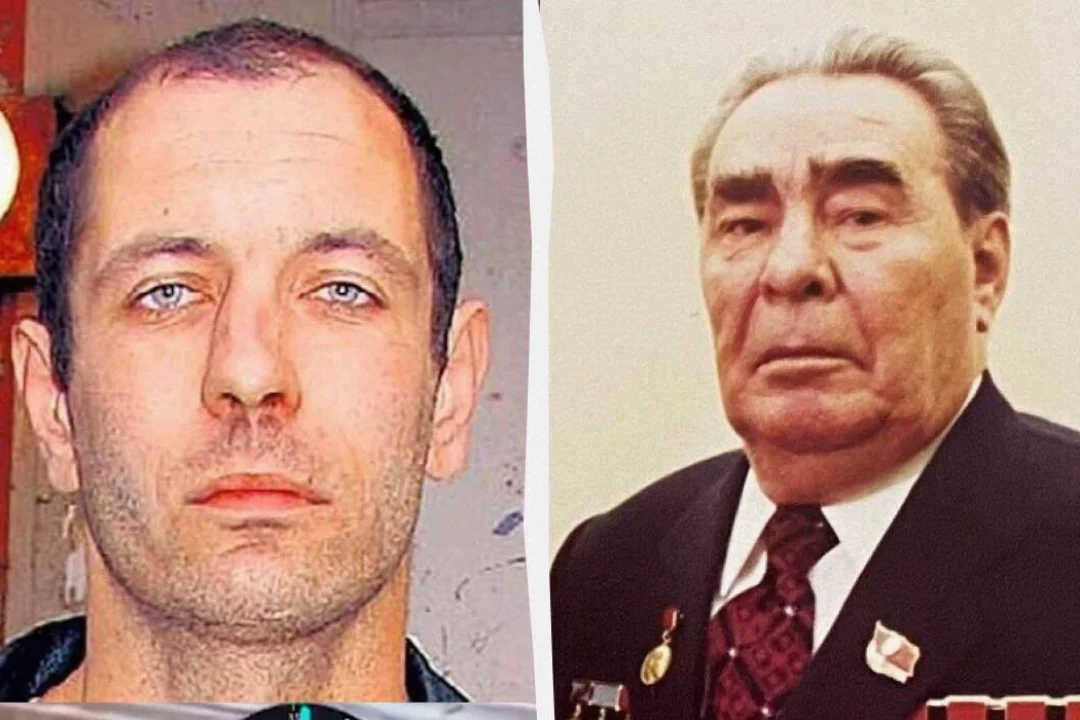
Ukrainian officials have confirmed that 45-year-old Anton Milaev, believed to be an adopted grandson of former Soviet leader Leonid Brezhnev, is being held as a prisoner of war. Meanwhile, Russia launched a new attack on Kharkiv, injuring at least nine people. The EU decided to extend anti-Russia sanctions for 12 months, abandoning the previous six-month renewal cycle.
PoliticsThe Ukraine-Russia war reached its 1,577th day on Friday, 19 June 2026. The day brought several significant developments: confirmation of Brezhnev's grandson's capture, a new attack on Kharkiv, and the EU's decision to strengthen sanctions against Russia.
Brezhnev's grandchild in Ukrainian custody
Ukrainian officials have confirmed that 45-year-old Anton Milaev, believed to be an adopted grandson of former Soviet leader Leonid Brezhnev, is being held as a prisoner of war. Milaev is being held on Ukrainian-controlled territory in Kherson region.
The Telegram channel Baza, linked to Russian security structures, first reported the capture; the report was later confirmed by Sergei Sternenko, a Ukrainian volunteer and defence sector adviser, and by a BBC source from Ukraine's military intelligence directorate. According to Baza, Milaev enlisted last autumn as a sapper in Russian forces fighting in Ukraine, and by November had lost contact with his family. His mother, Irina Kuznetsova, said the family learned several months later that he was in the hands of Ukrainian forces.
In 2015, Russian state television reported that Brezhnev's daughter Galina had adopted Milaev's father. Milaev said in a television interview at the time that he had lived as a child with his father in the US and performed in the circus. Leonid Brezhnev was general secretary of the Communist Party of the Soviet Union from 1964 to 1982 and was born near Dnipro in present-day Ukrainian territory.
Attack on Kharkiv, Moscow comments on drone strike
Russia launched a new attack on Kharkiv, Ukraine's second-largest city, overnight. According to Kharkiv Mayor Ihor Terekhov, at least nine people were injured and over 40 residential buildings were damaged. The attack targeted the Kholodnohirsky district of the city, and Ukraine's air force issued a warning about the danger of glide bombs at approximately 3:30 a.m. local time.
The Kremlin commented for the first time on Ukraine's extensive drone attack on Moscow. Russian President Vladimir Putin's spokesman Dmitri Peskov confirmed that drone attacks on Russia continue, but praised the work of air defence systems. "Indeed, drone attacks continue," Peskov told journalists, adding that Moscow region's air defence demonstrated "despite everything" excellent effectiveness. Moscow region Governor Andrei Vorobyov said that 17 people were killed in the previous night's attacks, including an eight-year-old girl in Zhukovsky.
Ukrainian President Volodymyr Zelensky explained that the extensive drone attack on Moscow was a direct response to Russia's attack on Kyiv's historic monastery early in the week. Russian Foreign Minister Sergei Lavrov, in turn, stated that Moscow would begin in response regular massive strikes against Ukrainian targets.
EU extends sanctions, Ramstein summit convenes
EU member states' leaders decided to extend economic sanctions against Russia for 12 months, a symbolic step as similar restrictions have previously been renewed every six months. The decision shows that despite cautious diplomatic contacts with Moscow, the EU is not ready to ease pressure on Russia.
At the Ramstein format meeting in Belgium, Western countries committed approximately 4 billion dollars in new military aid to Ukraine. According to Ukrainian Defence Minister Mykhailo Fedorov, nearly a billion dollars will be directed to purchasing Patriot air defence system missiles, with Germany, Norway, the Netherlands and Sweden being the largest donors. The UK announced a separate aid package worth 752 million pounds sterling, which includes 150,000 drones, over 350 air defence missiles and radar equipment.
Helsinki meeting and ceasefire speculation
At a meeting of Baltic Sea region internal security ministers held in Helsinki on 17-18 June, nine countries, including Estonia, Finland and Poland, reaffirmed their commitment to strengthening the region's drone defence and surveillance capabilities. Estonian Interior Minister Igor Taro stressed that the necessary drone defence networks must be established immediately. "We cannot afford to wait. We cannot wait until the next EU budget period or until the first fatality in a drone attack," Taro said.
According to The Economist, representatives of Ukraine, the US and Russia are maintaining informal contacts to achieve a possible ceasefire. Under discussion is a two-stage ceasefire, in which in the first phase military operations would be limited to a 50-70 kilometre zone on either side of the front line. However, one senior Ukrainian official noted that the Kremlin may deliberately prolong negotiations until at least next spring.
Zelensky has said that Kyiv's goal is to end the war before the coming winter. "Ukraine must also prepare for the possibility that fighting continues through winter," he stressed, naming priorities as gas supplies, support for the energy sector and the acquisition of at least an additional 300-missile package.
Polish authorities arrest man suspected in killing of Putin critic
Polish authorities arrested a man suspected of killing Russian activist Robert Kuzovkov, who had been critical of Putin, in Poland on Monday. The 36-year-old man with a Georgian passport, now in custody, is believed to have links to organised crime. Authorities are investigating whether the suspect had connections with a foreign intelligence service. Polish Prime Minister Donald Tusk said the case appears to be a political assassination and may have been carried out by Russia.
Open in app →