Ukraine drone strikes trigger nationwide fuel crisis in Russia
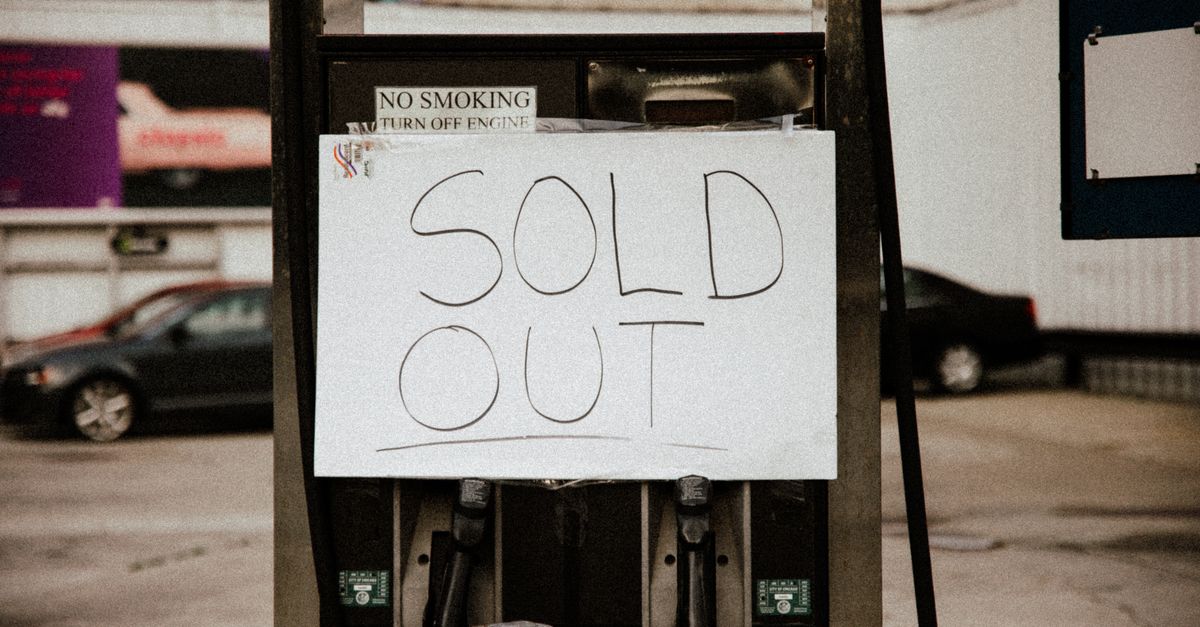
For more than a month, Russia has been grappling with a severe fuel shortage triggered by a series of Ukrainian military attacks on oil refineries. Fuel has disappeared from petrol stations, and authorities have imposed sales restrictions in more than 80 regions, covering almost the entire country. Moscow's largest oil refinery, Kapotnya, has been shuttered until the end of 2026.
PoliticsRussia's fuel crisis has persisted for over a month and now encompasses virtually the entire country. Ukrainian army drone strikes on oil refineries have driven crude-oil processing to its lowest level in years, creating a fuel shortage affecting both daily life and public transport.
Crisis began in Crimea and border regions
Early signs of scarcity emerged simultaneously in wholesale and retail markets. In Ryazan Oblast, where Ukrainian forces had struck a local refinery, retail fuel shortages appeared quickly. In annexed Crimea, petrol vouchers were introduced, running out overnight at almost all major petrol station chains. Local residents began selling fuel on the Avito online marketplace at prices of 200-350 rubles per litre, at least twice the official price. In the occupied city of Sevastopol, QR codes for petrol rationing were introduced via the Max messaging app, disappearing in seconds. On 10 June, the city administration could not issue new batches of codes because fuel trucks failed to reach the city.
Kapotnya refinery, Moscow's main fuel source, halted
One turning point came when Ukrainian forces struck Moscow's Kapotnya oil refineries twice within two days-one of Russia's largest and Moscow and Moscow Oblast's primary fuel supplier. Both primary processing units were taken offline. According to Reuters sources, the refinery will not resume operations before the end of 2026.
Oil giants Tatneft and Rosneft, including subsidiaries Bashneft and TNK, restricted petrol sales at their petrol stations across Russia. According to Reuters, petrol production in Russia fell 25% between 15-21 June compared to the June average.
Official explanations and media manipulation
Alexander Novak, Russia's Deputy Prime Minister, reported to Vladimir Putin that the situation was "difficult, but manageable". Putin in turn claimed that Kyiv's "terrorist activities", which caused the fuel shortage, did not affect operations on the front line. Novak later attributed the shortage to "panic-driven demand" and promised the situation would normalise "in due course".
Under Kremlin direction, state-controlled media outlets were ordered to more frequently publish photographs and videos of fully operational petrol stations without queues. The Max messaging app blocked regional discussion groups where people shared information about where to find fuel. Sales platforms Avito, Ozon and Wildberries banned fuel sales listings.
Impact on transport and daily life
According to 7×7 publication, the fuel shortage affected public transport in at least eight regions. In Irkutsk, Kurgan and Vladimir, Ivanovo and Kaluga Oblasts, ticket prices rose. In Zabaykalsky Krai and Rostov Oblast, bus schedules were reduced. In Zabaykalsky Krai, waste collection stopped in some areas because waste collection vehicles ran out of fuel.
Russia has turned to Kazakhstan for help; according to Reuters sources, Moscow asked Kazakhstan to sell it 50,000 tonnes of petrol.
According to The Insider journalists' findings, official restrictions have been imposed by authorities in over 40 regions, but accounting for unofficial restrictions, the crisis has affected more than 80 regions, covering almost the entire country. Russia itself does not disclose much of the relevant data, making assessment of the true scale of the crisis difficult.
Open in app →