Ukraine war has lasted 1,568 days, the same duration as World War I
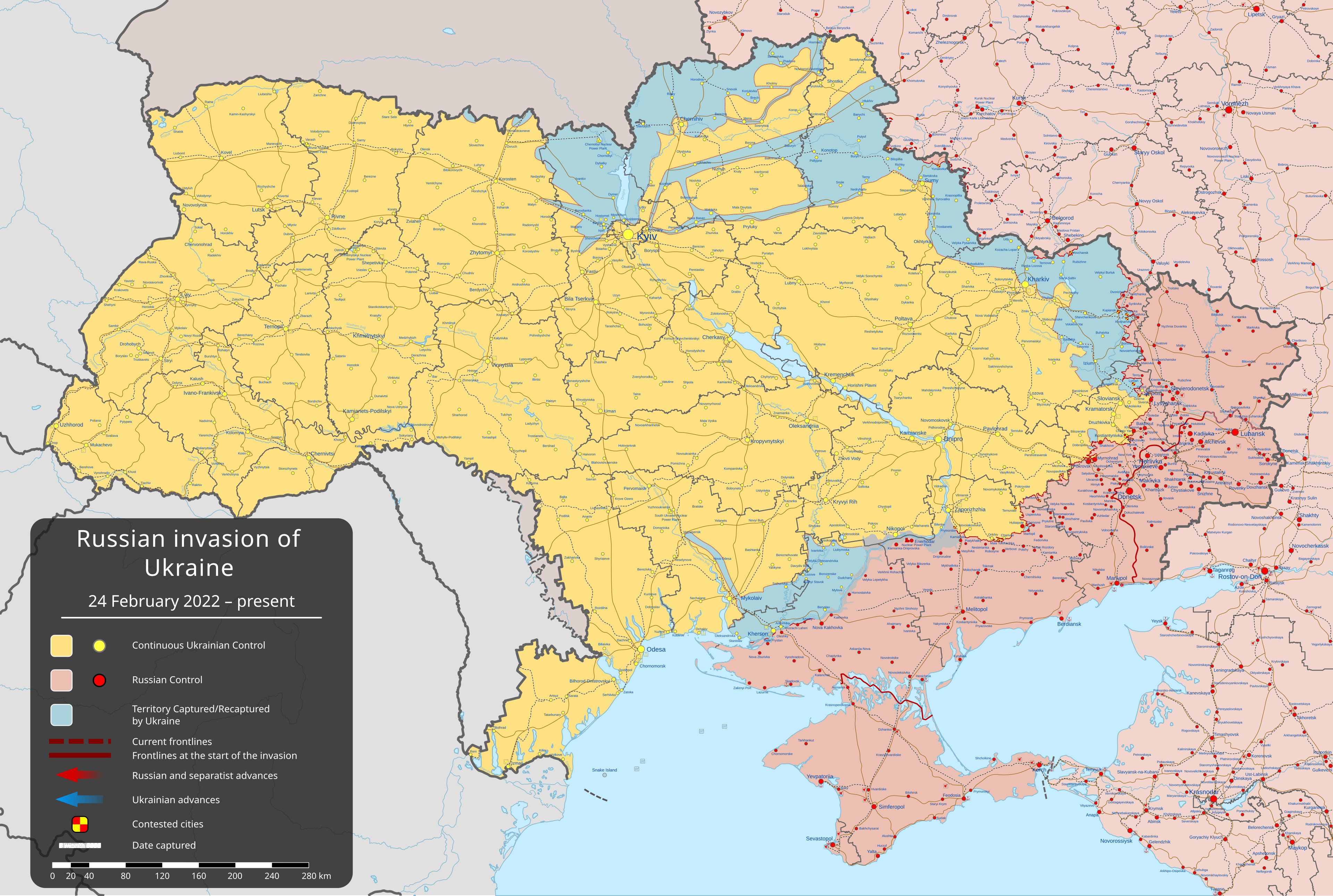
As of 10 June 2026, Russia's war in Ukraine has lasted exactly 1,568 days, the same duration as World War I. Earlier this year, the conflict already surpassed the length of World War II. Experts are drawing parallels to the grueling battles fought a century ago.
PoliticsRussia's war in Ukraine has lasted 1,568 days as of 10 June 2026, exactly the same duration as World War I. This milestone arrives months after the conflict already exceeded the length of World War II. Comparing conflicts from two different centuries at different scales is difficult, but historical parallels offer unexpected insight into today's war.
Why did WWI last so long?
World War I, which lasted from August 1914 to November 1918, quickly became a war of attrition in which neither side could achieve decisive breakthrough. Ammunition shortages, logistical constraints, and the emergence of new weapons technologies, such as poison gas and tanks, prolonged the stalemate for years. Trench warfare created a situation where each territorial gain came at an enormous human cost.
The current Ukrainian war shows similar characteristics. The front line has shifted only slowly, both sides have suffered heavy losses, and attrition tactics have replaced rapid maneuvers. Drones, precision munitions, and electronic warfare tools play the role today that tanks and artillery played a century ago-new weapons, old dilemmas.
What did these wars cost the combatants?
World War I claimed an estimated 20 million lives and brought down three empires: the Russian, Austro-Hungarian, and Ottoman. The economic damage was catastrophic, and the postwar order irreversibly transformed Europe's political map. The long war of attrition exhausted all parties, but unevenly-some states collapsed, others strengthened.
In Ukraine's war, both sides have also paid a heavy price. Ukraine has lost vast portions of its territory, infrastructure, and population. Russia has suffered unprecedented military losses and the consequences of international isolation. As a century ago, the ultimate price of victory remains unclear.
History as a mirror
Drawing historical parallels does not mean the wars will end in the same way. World War I ended with one side's collapse, not a negotiated compromise. Some analysts see this as a warning: wars of attrition often end suddenly and catastrophically for one side. Another lesson is that protracted conflicts always transform the societies of those waging them from within, regardless of how the battle lines move.
Open in app →