Ukrainian drones strike private homes in Russia, how to claim compensation?
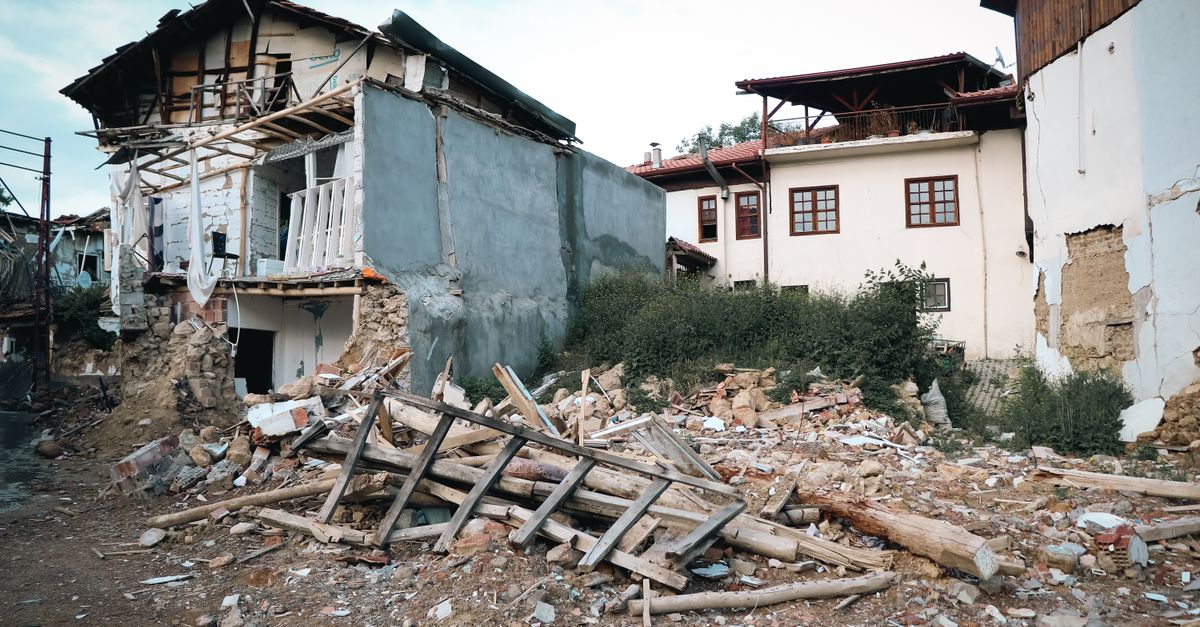
Ukrainian drone attacks on Russia have become daily occurrences, increasingly damaging private property. Russian citizens theoretically have the right to state compensation, but the process is complex and bureaucratic. In an analysis of 100 court cases examined in February 2026, victims won full compensation in 65 cases.
PoliticsUkrainian drones reach Russia every day, damaging not only oil infrastructure and defence industry facilities but also private homes, apartments, cars and other personal property. For those remaining in Russia, a critical question has emerged: how can victims obtain compensation for damage incurred?
First steps after an attack
First, if safe to do so, photograph and film all damage to the apartment, house, car and other property. Then immediately call the emergency number 112, as photos alone are insufficient: the damage must be officially documented. Damaged furniture, appliances and other items must not be discarded before inspection by emergency services.
It is important to note that in some Russian regions, even photographing drone impact sites is prohibited. There are no unified federal-level rules; regional operative headquarters may impose restrictions independently. Compensation claims are made by application, so it is unwise to wait for someone to arrive and arrange everything.
What compensation is available?
The compensation amount depends on how authorities classified the attack. If Russia's Investigative Committee determines the attack to be a terrorist act and opens a criminal case, or if a state of emergency is declared in the region, federal compensation mechanisms are triggered.
In 2024, the Russian government indexed compensation for the first time in five years, initially by one and a half times, then by a further 4.5% in 2025. Current federal rates are as follows:
- Compensation for partial damage to essential goods: 78,375 roubles per person
- Compensation for total loss of essential goods: 156,750 roubles per person
- One-time material assistance: 15,675 roubles per person
- Compensation for medium-severity bodily injury: 313,500 roubles
- Compensation for severe bodily injury: 627,000 roubles
- Compensation to relatives of deceased: 1,567,500 roubles per deceased person
Essential goods are defined as five categories: food storage and preparation implements, dining furniture, bedding, information media (television or radio) and water supply and heating appliances. Partial damage is defined as the loss of items from at least three different categories.
Regional additional compensation
Federal compensation does not preclude regional additions. For example, in Leningrad Oblast, following a terrorist attack, compensation of up to 75,000 roubles is paid for loss of essential goods, up to 50% of the cadastral value of residential property if uninhabitable, plus 20,000 roubles for each broken window and 10,000 roubles per door. In Krasnoznamensk, near Moscow, residential property damage compensation can reach up to 5 million roubles.
Cars and insurance
Under federal law, a car is not classified as essential goods, so many regions do not provide separate compensation for it. In Leningrad Oblast, however, up to 50% of vehicle repair costs are reimbursed, but not exceeding 400,000 roubles.
Most standard KASKO insurance policy terms exclude compensation for terrorist attacks and military operations. However, Russia's Supreme Court ruled in February 2025 that an insurance company cannot refuse to pay compensation for property damaged in Belgorod Oblast, noting that martial law had not been formally declared in the region.
Courts often side with victims
If officials refuse to pay compensation, it is worth taking the case to court. In February 2026, the outlet Verstka analysed 100 court disputes in which people demanded compensation for damaged or destroyed residential property. In 65 cases, the court fully satisfied the claims, in 11 cases partially. Only in one in four cases did the victim fail to receive compensation. The key to success is careful documentation from the start: photos, inspection reports and all documents proving damage.
Open in app →