Ukrainian strikes trigger fuel crisis: Vladimir region governor urges driving restrictions
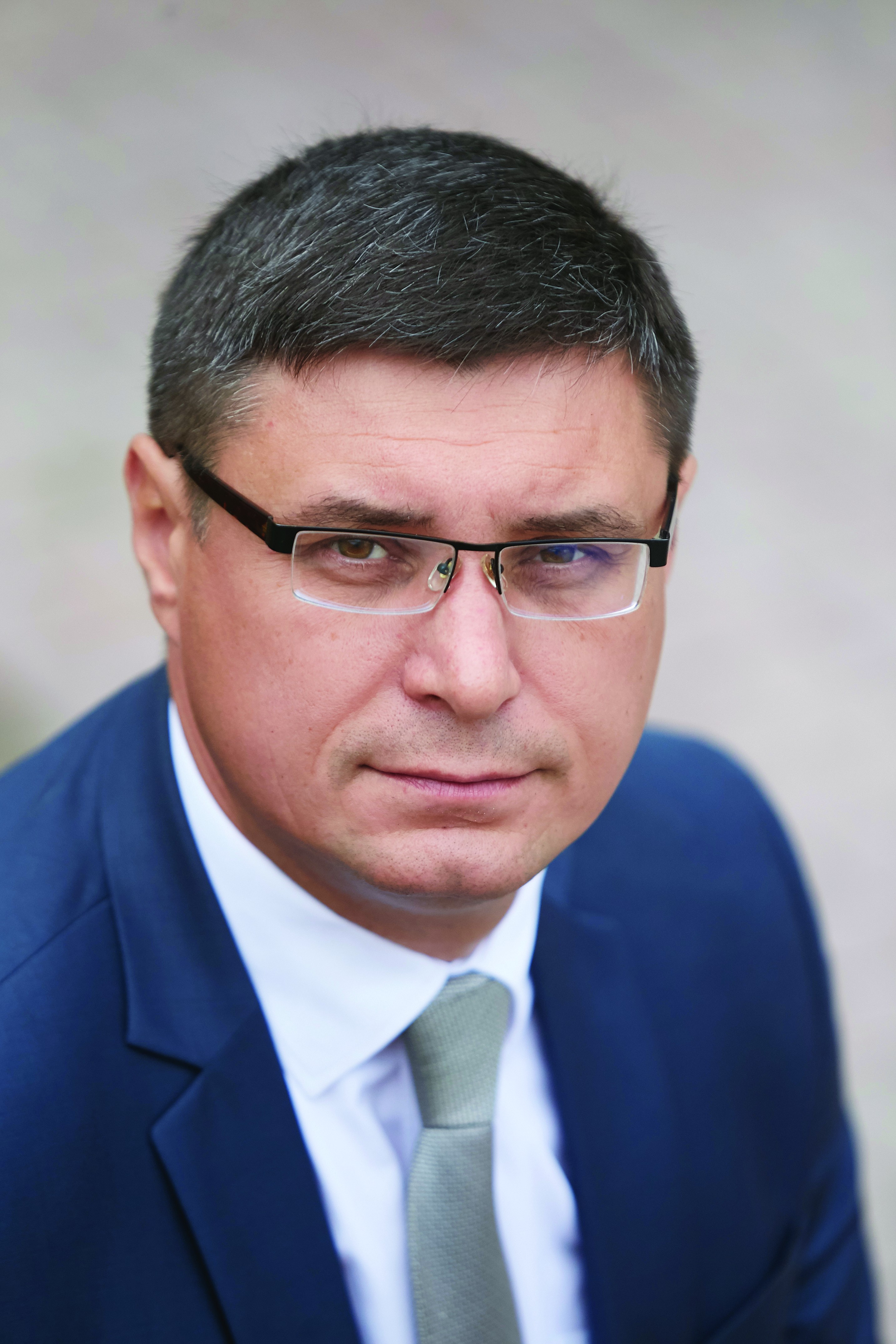
Vladimir region governor Alexander Avdeev has called on residents to reduce travel by private vehicle and purchase fuel only in essential quantities. The crisis has emerged as a result of Ukrainian strikes against Russian fuel logistics infrastructure across the country. According to The Bell, fuel restrictions for private citizens are already in place in 53 Russian regions.
PoliticsVladimir region governor Alexander Avdeev has asked residents of the region to reduce trips by private vehicle and purchase fuel "strictly as needed". Avdeev made this statement following a regional government emergency meeting dedicated to fuel problems at petrol stations.
Governor's explanation
"The more calmly residents respond to these temporary difficulties, the faster we will manage to normalise the situation," Avdeev wrote on his Telegram channel. According to the governor, vehicle owners reacted with "panic buying" when some companies experienced "logistics problems" the previous week. As a result, queues formed and prices rose even at petrol stations where fuel supply was proceeding as planned.
Avdeev added that going forward, priority in fuel distribution will be given to emergency services and utilities vehicles, public transport, goods deliveries, waste collection, and agricultural producers.
Ukrainian strikes caused the crisis
The root cause of Russia's fuel crisis is Ukrainian strikes against Russian oil infrastructure. The business publication The Bell reported as of 16 June that fuel restrictions on private vehicle refuelling have been imposed in 53 Russian regions, as well as on Ukrainian territories annexed by Russia.
The crisis illustrates how Ukrainian wartime strikes are having an increasingly significant impact on the daily lives of ordinary Russian citizens. Fuel shortages are no longer a problem confined to individual regions, but have spread across more than half of Russia's administrative units.
Open in app →