US intelligence: Iran can close Strait of Hormuz at any time
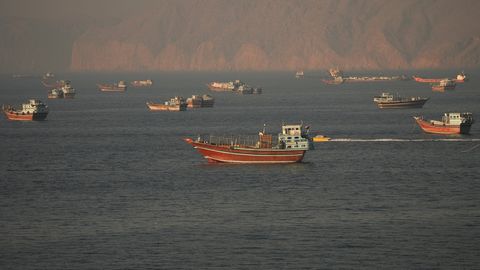
According to assessments by US intelligence agencies, Iran now has the real capability to close the Strait of Hormuz at its discretion. This gives the Iranian regime a powerful new lever to influence the global economy. According to CNN, the assessment is based on information from sources familiar with intelligence analysis.
PoliticsUS intelligence agencies have concluded that Iran currently has the real capability to block shipping in the Strait of Hormuz, one of the world's strategically most important maritime corridors, at any time and at its discretion. This is reported by CNN, citing sources familiar with intelligence analysis.
What this means for the world
The Strait of Hormuz, as a narrow passage between the Persian Gulf and the Arabian Sea, is one of the most important arteries of global oil trade. An estimated one-fifth of all the world's oil passes through this strait, which is why its closure, or even the threat of closure, could trigger a sharp rise in energy prices and shake global financial markets.
According to assessments by the American intelligence community, as a result of the recent military conflict, Iran now has new capabilities and leverage that make blocking the strait many times more feasible than before. This means that the Iranian regime has acquired a new tool in its geopolitical arsenal with which to apply pressure on both Western countries and its regional neighbours.
Threat to global energy security
According to experts, the risk of closure of the Strait of Hormuz has long shadowed the tense relations between the West and Iran, but until now it has been viewed more as a rhetorical threat. However, the new intelligence assessment suggests that the situation has changed; Iran's technical and military readiness has risen to a level where blockade tactics must now be considered a serious scenario.
International analysts warn that this development significantly increases geopolitical risk in the Middle East and could affect both world market oil prices and the energy security strategies of Western countries in the longer term.
Open in app →