US-Iran talks begin in Switzerland with Hormuz Strait and Lebanon at centre
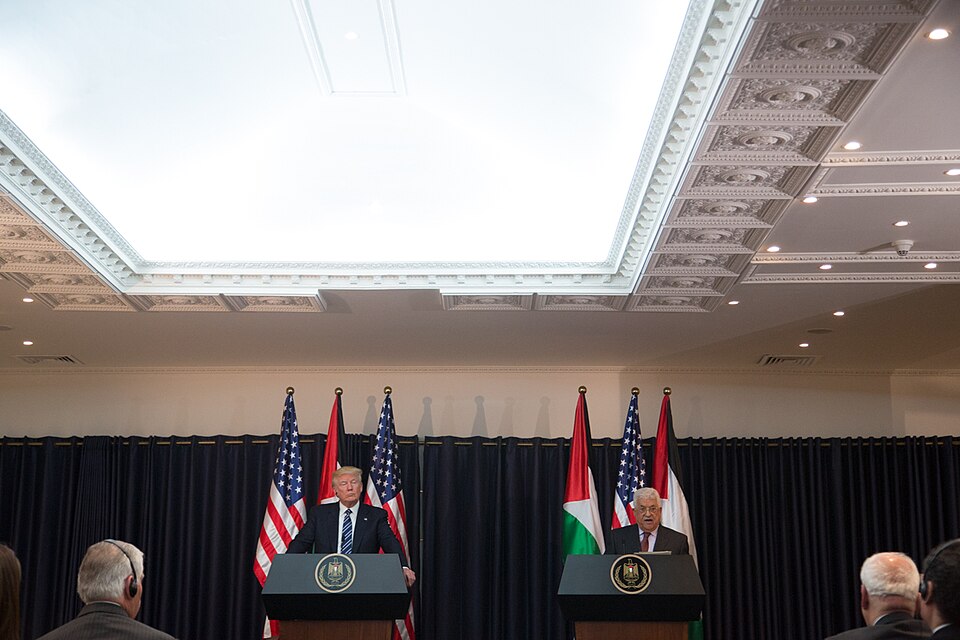
Negotiations between American and Iranian delegations have opened in Switzerland, mediated by Oman and Qatar. The two sides have 60 days under a recently signed memorandum of understanding to reach a full peace agreement, or risk a return to war. Key sticking points include Israeli forces remaining in southern Lebanon and Iran's nuclear programme.
PoliticsDiplomatic talks between the United States and Iran got under way in Switzerland on Sunday, June 22, 2026, with Oman and Qatar acting as mediators. The negotiations follow a memorandum of understanding signed by both countries earlier this week, which sets a 60-day deadline for reaching a comprehensive peace agreement. Failure to do so, officials warn, could reignite hostilities.
Hormuz Strait, Open or Closed?
One of the most contentious immediate issues is the status of the Strait of Hormuz. Donald Trump claimed that the waterway is already functioning as it did before the war, stating that ships are passing through "in unprecedented numbers, around 700, and oil is everywhere." However, Iran insists that the 55 vessels that passed through the strait on Saturday did so only with its explicit permission, and Tehran has signalled it will not grant further authorisations until a ceasefire is established in Lebanon.
US military officials confirmed the passage of 55 ships through the strait on Saturday, a figure that stands in contrast to Trump's more sweeping claims.
Lebanon Complicates the Picture
Before departing for Switzerland, US Vice President JD Vance addressed the situation in Lebanon. «The main problem is that someone is shooting, someone is responding, and it creates a kind of vicious cycle. You just need to stop the shooting for long enough for a ceasefire to take hold. That is what we are working on, and the situation is improving,» Vance said.
Israeli forces remain stationed in southern Lebanon, which Tehran views as a violation of prior agreements with Washington. Talks between Lebanon and Israel are scheduled for Monday in Washington, though Israel's military campaign is directed not at the Lebanese government but at Iran-backed Hezbollah.
Lebanese Deputy Prime Minister Tarek Metri voiced scepticism about Israeli intentions. «Many of us are sceptical. Israel had multiple military objectives, one was to destroy or eliminate Hezbollah, but another was to create a so-called security zone south of the so-called Yellow Line, which amounts to permanent occupation and depopulation of those villages,» he said.
Iran's Nuclear Programme Back in Focus
Amid the disputes over Lebanon and the Hormuz Strait, a central question has been pushed to the margins: Iran's nuclear programme, which Trump cited as his primary justification for initiating the war. Iranian President Masoud Pezeshkian addressed this on Sunday, accusing the US of reversing its position. «He said Iran must surrender unconditionally, that Iran has no right to do this or that. Then he gave a speech and said Iran does have the right, he turned 180 degrees from his previous stance and acknowledged they cannot ignore our rights,» Pezeshkian said.
The US side is pushing for Iran to allow UN inspectors access to nuclear facilities that were struck by American and Israeli forces. In exchange, Washington is prepared to permit Iran to use a portion of its frozen assets to purchase humanitarian aid, a concession that falls far short of the full sanctions relief Tehran has demanded.
Open in app →