US-Iran war leaves Trump with record-low approval as peace deal nears signing in Switzerland
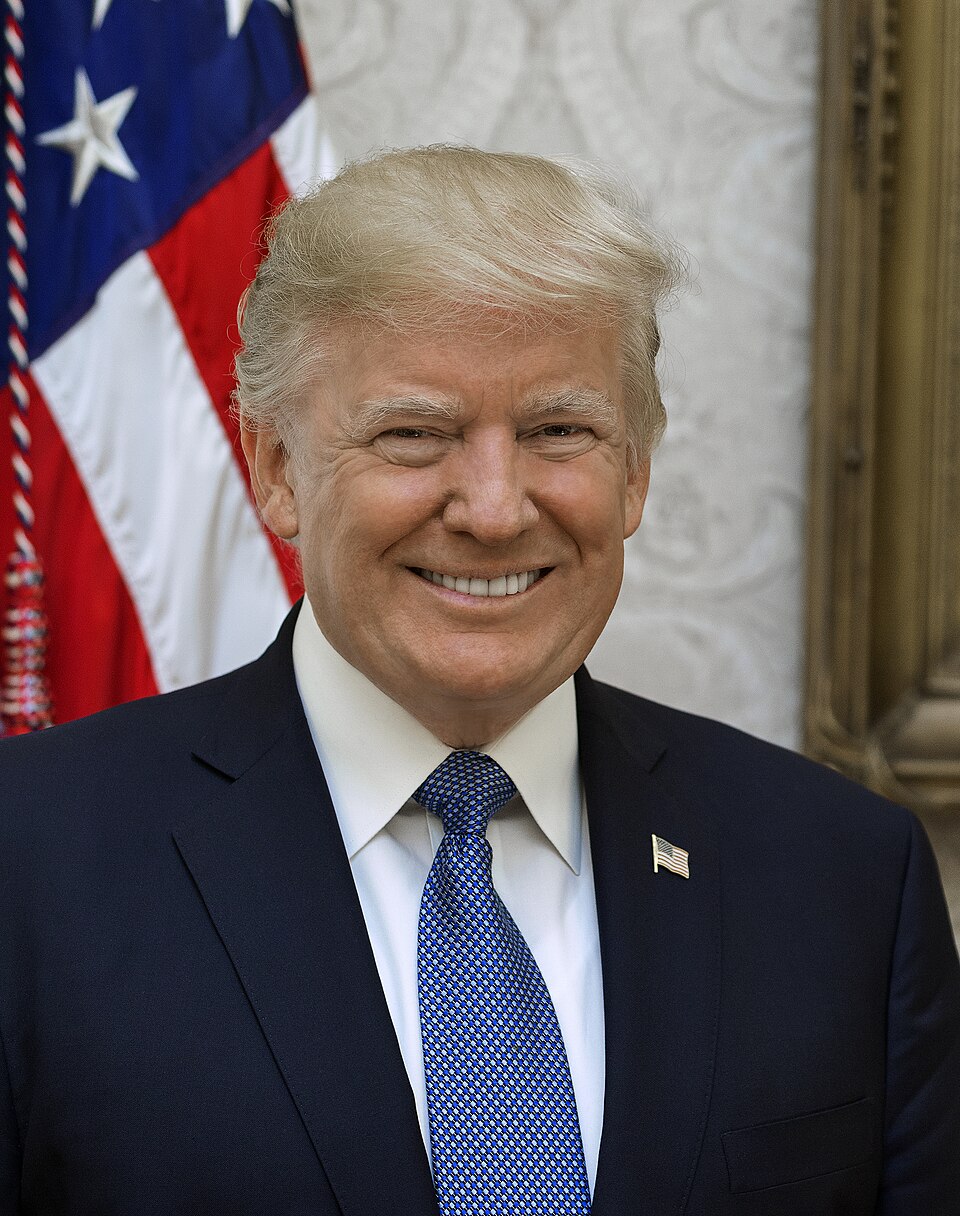
The nearly four-month US-Iran war has pushed Donald Trump's approval ratings to their lowest point in two years, with opposition coming not only from Democrats but from within his own Republican Party and MAGA movement. A peace agreement is set to be signed on June 19 in Switzerland, though critics on both sides condemn its terms. The conflict has cost American households over $100 billion in additional energy costs and driven inflation to a three-year high.
PoliticsThe United States and Iran are set to formally end their armed conflict on June 19 in Switzerland, but the nearly four-month war has left Donald Trump politically battered, facing historic disapproval ratings, rebellion within his own party, and an economy still reeling from the consequences of the fight.
A Costly and Unpopular War
On June 14, his 80th birthday, Trump announced that Iran had agreed to extend a ceasefire for 60 days to allow peace negotiations. According to the president, both sides had already digitally approved a memorandum of understanding, with the formal signing scheduled for June 19 in Switzerland, at which point the full text of the document would be made public.
Under the terms of the emerging deal, Iran commits to abandoning nuclear weapons development and guaranteeing free passage through the Strait of Hormuz. In return, the United States will lift a portion of its sanctions on Iran, unfreeze approximately $26 billion in Iranian assets, and establish a reconstruction fund worth around $300 billion.
The deal has drawn sharp criticism from all directions. Republican hawks, including Senators Ted Cruz and Lindsey Graham, argue that the US is effectively conceding defeat by offering Iran enormous concessions, while failing to achieve core war objectives such as regime change in Tehran, a full ban on uranium enrichment, dismantling of Iran's missile programme, or an end to Iranian proxy support across the Middle East.
Anti-war voices, meanwhile, point out that the conflict cost the lives of 15 American soldiers and wounded roughly 500 more, consumed more than $100 billion, and produced terms that appear worse for the United States than the Obama-era JCPOA nuclear agreement, which was negotiated without a single shot being fired.
Congress Tried and Failed to Stop the War
Congressional Democrats led attempts to legally end the conflict. On June 3, the House of Representatives passed, by a narrow 215 to 208 vote, a resolution demanding Trump immediately halt military operations against Iran. Nearly all Democrats backed the measure, joined by four Republican lawmakers. House Speaker Mike Johnson had earlier delayed consideration of the resolution by sending colleagues on a two-week recess.
In the Senate, a similar resolution gained enough support to be placed on the agenda, backed by 46 Democratic and four Republican senators, but the new ceasefire has effectively rendered further action moot.
Even had both chambers passed a resolution, Trump could have vetoed it. His administration has argued that the 1973 War Powers Act, which requires presidential approval from Congress after 60 days of combat, is unconstitutional. Defence Secretary Pete Hegseth also claimed that Trump's April 8 ceasefire declaration reset the 60-day clock, allowing resumed hostilities without congressional authorisation.
Rebellion From Within MAGA
Perhaps most damaging to Trump politically has been the revolt from within his own coalition. Tucker Carlson, the former Fox News host turned independent media figure, described the strikes on Iran as «absolutely disgusting evil» shortly after the war began in February 2024. Trump responded by declaring that Carlson had «gone off the rails» and was no longer part of the MAGA movement.
Georgia congresswoman Marjorie Taylor Greene, once among Trump's most devoted allies before leaving Congress in early 2026, called the Trump administration «a bunch of sick damn liars» and accused the president of betraying the MAGA movement over the Iran war. When Trump threatened on Truth Social to «destroy Iran's civilisation», Greene joined Democratic calls to invoke the 25th Amendment to remove the president from office, a position echoed by right-wing commentators Alex Jones and Candace Owens.
Republican Congressman Thomas Massie, described by Trump as «the worst congressman in history», has consistently opposed the war, arguing it is being waged solely in Israel's interest. In May, Trump backed Massie's primary challenger Ed Gallrein, who won in early June 2026 despite running a minimal campaign.
Resignations and Internal Dissent
The war has also triggered departures from the administration itself. In March, Joe Kent resigned as head of the National Counterterrorism Center, stating in his resignation letter that the war began due to «pressure from Israel and its powerful lobby inside the US». Trump dismissed Kent as «very weak on security» shortly before FBI investigators reportedly began examining him for alleged intelligence leaks.
In May 2026, Director of National Intelligence Tulsi Gabbard, who had been a vocal critic of US-Iran conflict before joining the administration and once sold T-shirts reading «No War with Iran» during her 2020 presidential campaign, announced her resignation, citing her husband's cancer diagnosis. Government sources, however, told reporters that she left at the White House's request. Her deputy, Amaryllis Fox Kennedy, left alongside her; sources at the Washington Post pointed to the Iran war as the real reason.
Economic Fallout and Electoral Risk
The economic toll of the conflict has been severe. The blockade of the Strait of Hormuz caused petrol prices to rise by more than a third, costing American consumers an additional $59 billion in fuel costs over three months of war. Diesel and aviation fuel prices rose even more sharply, pushing up airline ticket prices and logistics costs, bringing total additional household expenditure to over $100 billion. Despite the ceasefire, analysts predict US fuel prices may not return to pre-war levels for several more months.
Inflation has reached its highest level in three years, while consumer confidence has fallen to a record low. In June 2026, nearly 60% of Americans described the economy as worsening. Trump's approval rating has fallen below 39%, a record low for his second term, with 57% disapproving. On economic performance, 60% rate his presidency negatively; on inflation, that figure rises to 70%.
With the Republican Party currently trailing Democrats by an average of 6.5 percentage points in polls, and with the historically unfavourable dynamics of midterm elections looming in November, the prospect of Republicans losing their congressional majorities appears increasingly real, and party members know it.
A Reuters-commissioned poll found that 76% of Republicans supported the strikes on Iran, 40 percentage points higher than among the general public. Even accounting for potential economic damage, 56% of Republicans said the war was worth it, compared with just 25% of all respondents. But Republican voters alone cannot save a party whose president has driven away independent and moderate support at a critical electoral moment.
Open in app →