US Power Grid Struggles as AI Data Centers Drain Electricity
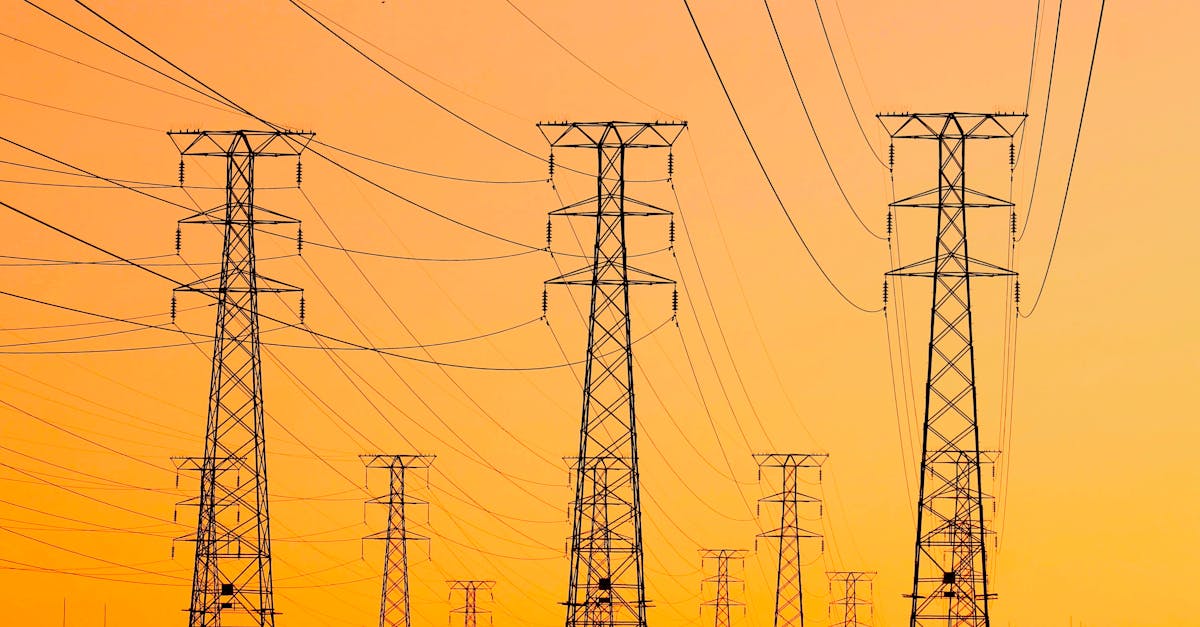
The PJM Interconnection, which manages one of the world's largest power grids serving major data center regions, faces mounting pressure to modernize its operations. The organization's proposed overhaul has sparked controversy among stakeholders who question whether current reforms will adequately address the surge in energy demand from artificial intelligence infrastructure.
TechnologyThe PJM Interconnection operates one of North America's most critical power grids, managing electricity distribution across some of the densest concentrations of data centers on Earth. As artificial intelligence technology expands rapidly, these massive computing facilities are placing unprecedented strain on the electrical infrastructure that serves them, creating a capacity crisis that threatens both grid stability and energy availability across the region.
The surge in AI-related power consumption has exposed significant vulnerabilities in the current grid management system. Data centers require enormous amounts of continuous electricity to operate their servers and cooling systems, and the exponential growth of AI development has accelerated demand far beyond what existing infrastructure was designed to handle. PJM Interconnection has recognized that fundamental changes are necessary to prevent grid failures and blackouts.
In response, PJM Interconnection has announced plans for a comprehensive overhaul of its operations and infrastructure. The proposed reforms aim to modernize the grid's technical capabilities, improve demand forecasting, and expand capacity to accommodate future growth. However, the proposal has generated considerable skepticism among industry observers, grid operators, and energy stakeholders who question whether the planned changes are sufficient in scope and scale to address the magnitude of the challenge ahead.
Stakeholders remain divided on whether PJM's modernization initiative strikes the right balance between immediate capacity expansion and long-term sustainable solutions. Some argue that more aggressive investments in renewable energy infrastructure and grid storage technology are necessary, while others contend that the current proposals lack sufficient detail and urgency. The debate reflects broader concerns about whether America's aging electrical infrastructure can adapt quickly enough to support the explosive growth of energy-intensive artificial intelligence development.
Open in app →