US security protocols require Air Force One travelers to discard gifts after Beijing summit
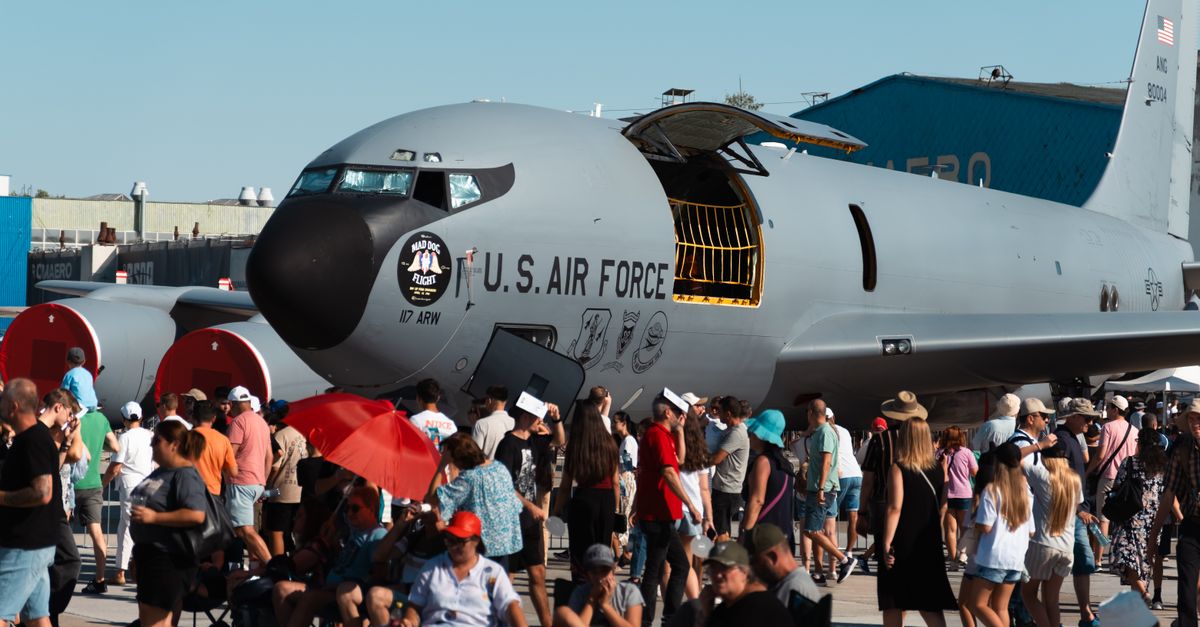
U.S. officials traveling on Air Force One after a summit in Beijing, China were ordered to dispose of items received during the trip, including gifts, pins, and burner phones, as part of security precautions. The measure highlights heightened concerns about potential surveillance and security threats related to interactions with Chinese officials.
PoliticsTravelers aboard Air Force One returning from Beijing, China were required to discard various items they had acquired during an official U.S.-China summit meeting before boarding the aircraft. The directive included gifts, commemorative pins, and burner phones-devices typically associated with temporary communications.
The order reflects deep-seated security concerns within the U.S. government regarding potential surveillance risks and embedded tracking or monitoring devices in items received during diplomatic exchanges with Chinese counterparts. Air Force One, the presidential aircraft, operates under some of the strictest security protocols in the world, and any items brought aboard undergo rigorous scrutiny.
This incident underscores the broader tension between the United States and China over cybersecurity, espionage, and information protection. U.S. intelligence agencies have repeatedly warned about sophisticated Chinese surveillance capabilities and the risks posed by seemingly innocuous gifts that could contain surveillance equipment or other security threats.
The security measure was reportedly applied to all travelers on the flight, not just high-level officials, suggesting a comprehensive approach to preventing any potential compromise of sensitive information or secure communications systems aboard the aircraft. Such precautions have become increasingly common as diplomatic tensions between Washington and Beijing have intensified in recent years.
While the U.S. government did not officially comment on the specific security rationale, similar protocols have been implemented during previous high-level diplomatic exchanges, indicating this represents standard operational procedure rather than an isolated incident.
Open in app →