US Supreme Court Weighs In on Geofence Search Warrant Debate
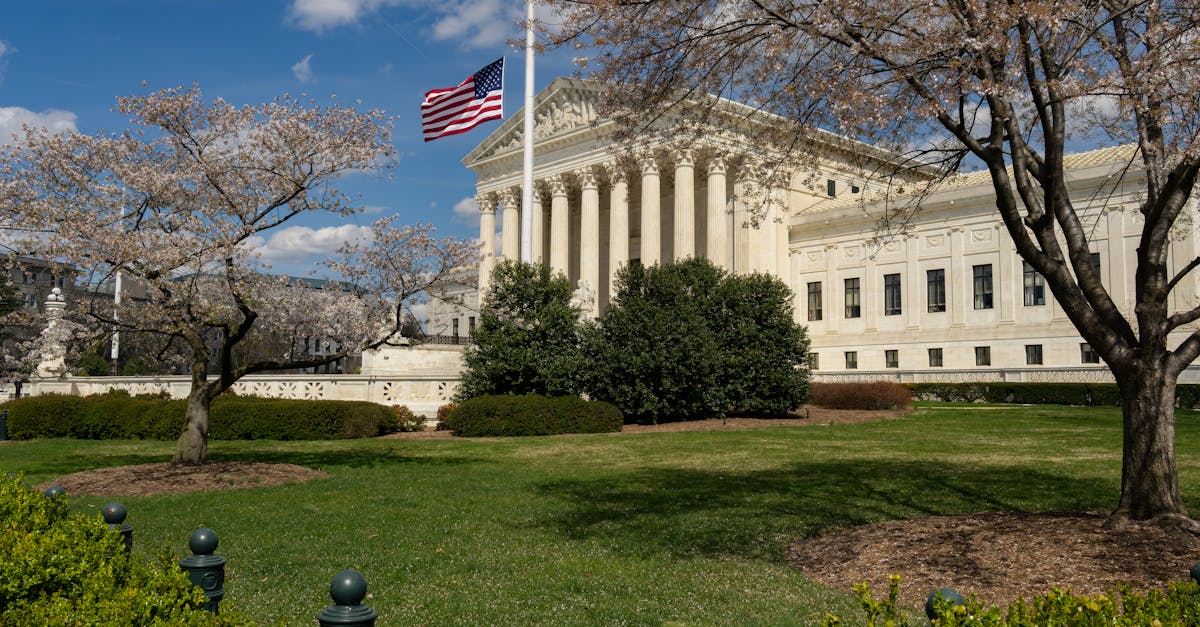
The United States Supreme Court is preparing to decide on the controversial use of geofence warrants, which allow law enforcement to identify suspects by conducting mass searches through technology companies' location databases. The justices appear divided on whether such broad searches infringe on privacy rights or serve legitimate law enforcement purposes.
TechnologyThe U.S. Supreme Court is grappling with a significant privacy and law enforcement question as it considers whether police should be permitted to use geofence warrants-legal tools that enable dragnet searches through the databases of major technology companies to identify potential criminal suspects.
Geofence search warrants work by identifying all devices that were present in a specific geographic area during a particular time period. Law enforcement agencies submit requests to tech giants like Google, Apple, and Amazon, asking for data on individuals whose phones were located near a crime scene. Critics argue this approach casts an unnecessarily wide net, capturing innocent people's location information without specific suspicion.
The Supreme Court justices have shown signs of disagreement during oral arguments about this practice. Some appear concerned about the mass surveillance implications and potential Fourth Amendment violations, while others seem more sympathetic to law enforcement's need for investigative tools in the digital age. The case represents a critical intersection between public safety and personal privacy rights in an era of ubiquitous smartphone tracking.
The ruling will have far-reaching implications for how police departments across the United States conduct investigations and the extent to which technology companies must cooperate with law enforcement requests. Privacy advocates worry that upholding geofence warrants could legitimize other forms of mass digital surveillance, while law enforcement agencies argue the tool has been effective in solving serious crimes.
A decision from the court is expected in the coming months, and it will likely set a precedent for how privacy protections apply to location data collected by technology platforms.
Open in app →