US Treasury Chief Says Economic Cost Justified by Iran Security Threat
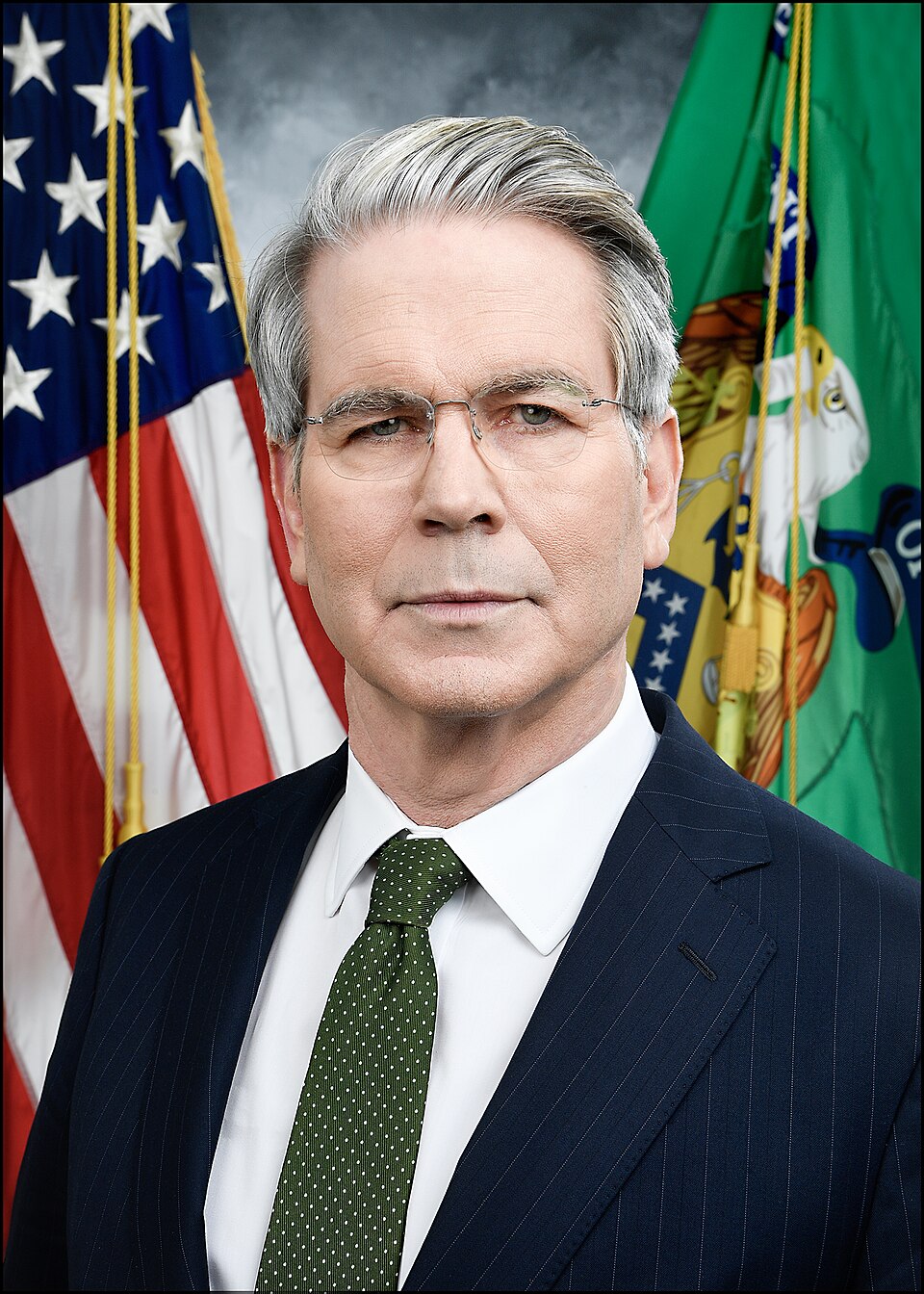
US Treasury Secretary Scott Bessent defended short-term economic challenges as necessary to counter Iranian military threats against Western capitals. The statement reflects the Biden administration's approach to balancing economic and security concerns in the Middle East.
PoliticsUS Treasury Secretary Scott Bessent has stated that accepting temporary economic difficulties is a worthwhile trade-off for eliminating Iranian threats to Western nations. Bessent's comments underscore the US government's position that security measures against Iran justify potential economic consequences in the short term.
The Treasury secretary's remarks come amid ongoing tensions between the United States and Iran, with the Iranian government conducting military operations that pose risks to American and allied interests in the region. Bessent argued that the long-term security benefits of preventing Iranian strikes on Western capitals far outweigh the economic pain that may result from implementing counter-measures.
The statement reflects broader US foreign policy strategy under the Biden administration, which has prioritized containing Iranian regional influence while managing domestic economic concerns. The approach suggests that policymakers are willing to accept near-term economic disruptions if they achieve strategic security objectives against Iran's military capabilities.
Bessent's position indicates that the US Treasury Department is aligned with security-focused decision-making in addressing the Iranian threat. The comments may signal that additional economic or financial measures could be implemented as part of the broader Iran containment strategy, even if such actions create temporary headwinds for global markets or economic growth.
The Treasury secretary's willingness to publicly state this trade-off demonstrates the administration's confidence in the necessity of its Iran policy, despite potential criticism from those concerned about economic impacts on American households and businesses.
Open in app →