Warning: Tick Nests Lurking in Homes and Nature Contain Thousands of Ticks
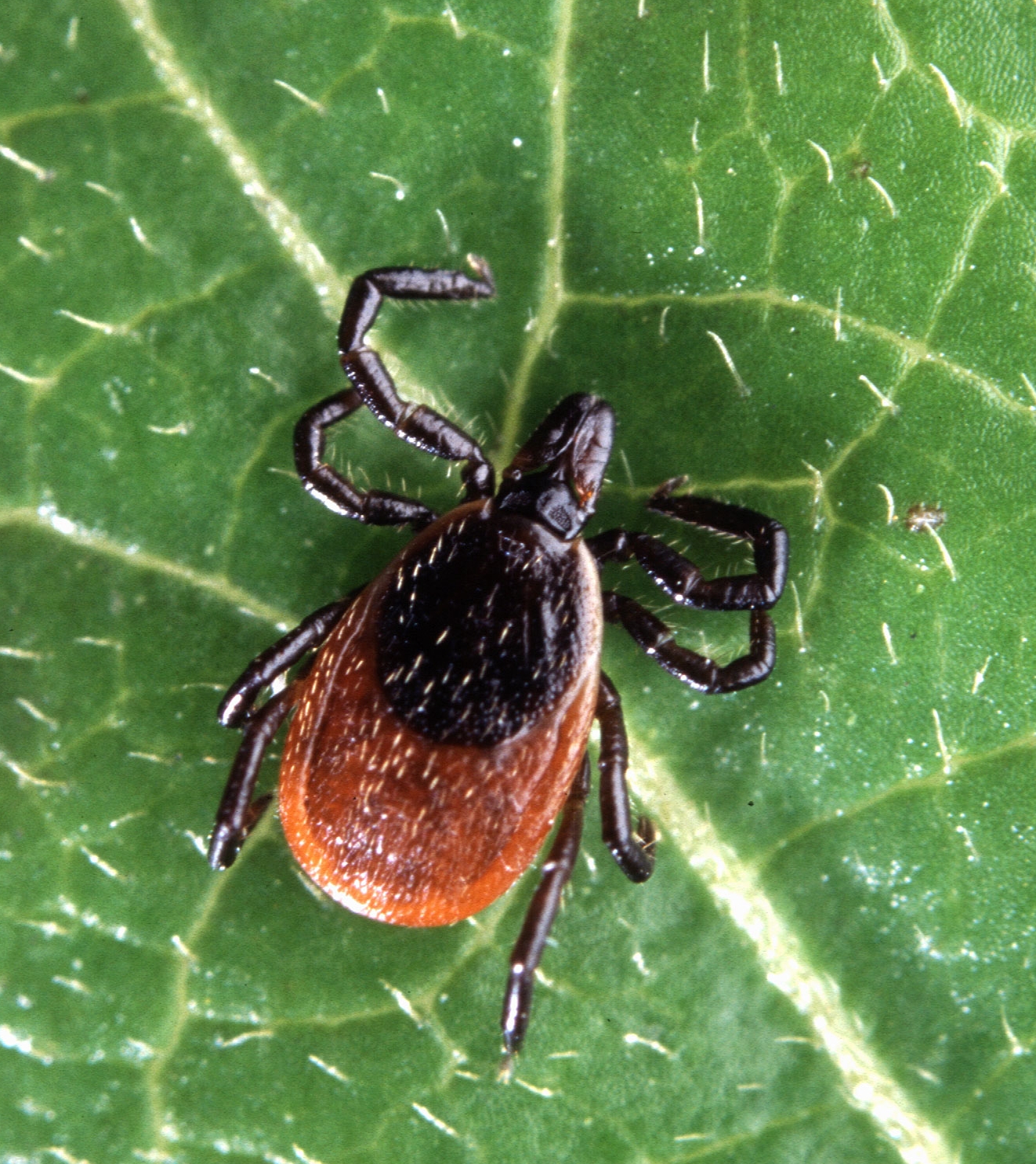
During the summer season, it is important to be vigilant about tick nests in both natural areas and home gardens, as they can contain thousands of ticks. According to experts, such a nest is an innocent-looking mass that is easy to overlook. If found, it must be destroyed immediately.
EstoniaThe summer season brings with it not only warm weather and greenery, but also an increased tick risk in forests, meadows and homes. Ticks in Estonia are dangerous carriers of Lyme disease and tick-borne encephalitis, but less is known about the fact that ticks can form clusters or so-called tick nests, where thousands of parasites lurk in one location at the same time.
A tick nest looks like an innocent brownish or greyish-green mass and can be mistaken for a pine cone, a mound of soil, or other naturally-looking objects. Such a nest can be located near grass, under garden waste, beside a gate post, or even in a cellar or garage corner. A person who comes into contact with it can have hundreds to thousands of ticks attach themselves at once.
Why are nests particularly dangerous?
Usually a person checks for individual ticks after time in nature, but when encountering a tick nest, the body can have so many ticks that their removal becomes difficult and the risk of infection increases dramatically. The more ticks present, the greater the likelihood that one of them carries a pathogen.
According to recommendations from the Health Board, when a tick nest is discovered, avoid touching it with bare hands and use gloves and other protective clothing. Specialized insecticides can be used to destroy the nest, but hot water also works. When finding a nest containing large numbers of ticks, it is advisable to call in professional pest control.
How to protect yourself?
As a precaution, when going outdoors, wear long-sleeved clothing and trousers, use tick repellents, and thoroughly check your body after being outside. In a home garden, it is useful to mow the grass regularly short and remove garden waste and leaf litter, which can be hiding places for ticks. Children and pets are particularly vulnerable and checking them after time outdoors is essential.
Open in app →