Waste Companies Turn to Humanoid Robots to Solve Labour Shortage
Waste management companies are increasingly deploying humanoid robots to automate sorting operations as they struggle to recruit and retain staff. The technology addresses critical labour shortages in the waste industry while improving efficiency in sorting facilities.
TechnologyThe waste management sector is experiencing a significant shift towards automation, with humanoid robots now being introduced into waste sorting operations across multiple facilities. Companies struggling to find workers willing to take on labour-intensive sorting roles have begun investing in robotic solutions to fill the gap and maintain operational efficiency.
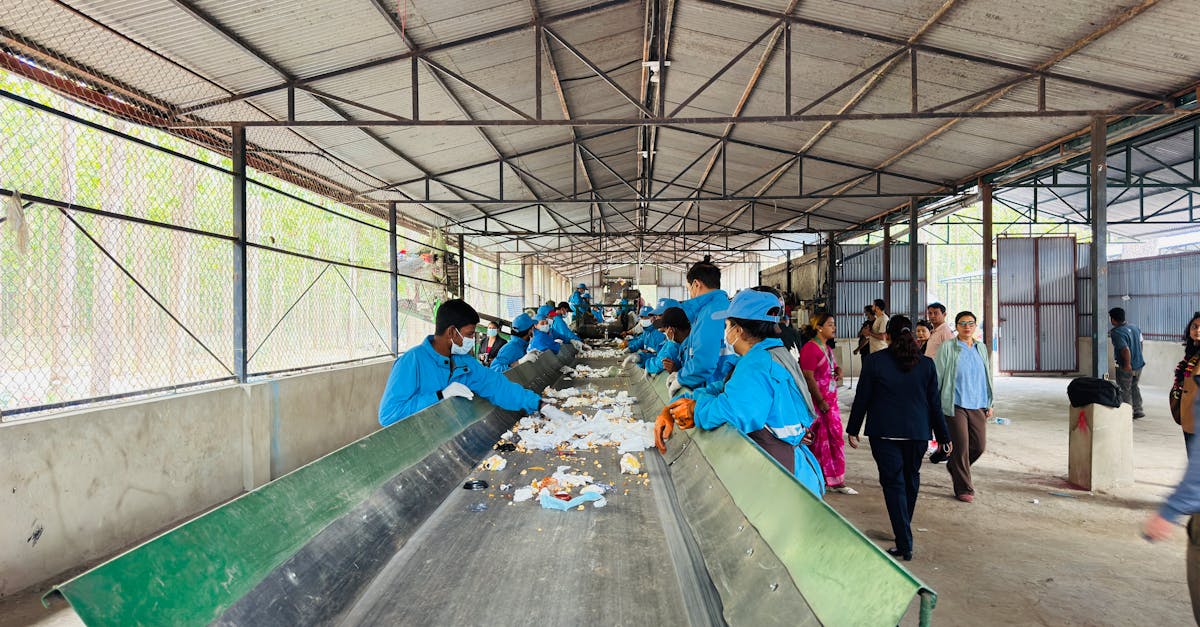
Waste sorting has traditionally been performed manually by workers who separate recyclable materials from general waste. The physically demanding nature of the work, combined with unpleasant working conditions, has made it increasingly difficult for waste firms to attract and retain employees. Humanoid robots offer a potential solution to this ongoing challenge.
These advanced robots are designed to perform repetitive sorting tasks with precision and consistency, handling materials that would be physically taxing for human workers. The technology integrates computer vision and machine learning to identify different types of waste and sort them appropriately. Companies implementing this technology report improved sorting accuracy and higher throughput rates compared to traditional manual operations.
The shift towards robotic automation reflects broader trends in the waste industry, where companies are investing heavily in technology to maintain competitiveness despite workforce constraints. However, the implementation of such systems requires significant capital investment and infrastructure modifications to existing facilities.
Industry experts note that while humanoid robots cannot entirely replace human workers, they offer a pragmatic solution to current staffing challenges while enhancing workplace safety by removing workers from exposure to hazardous materials.
Open in app →